
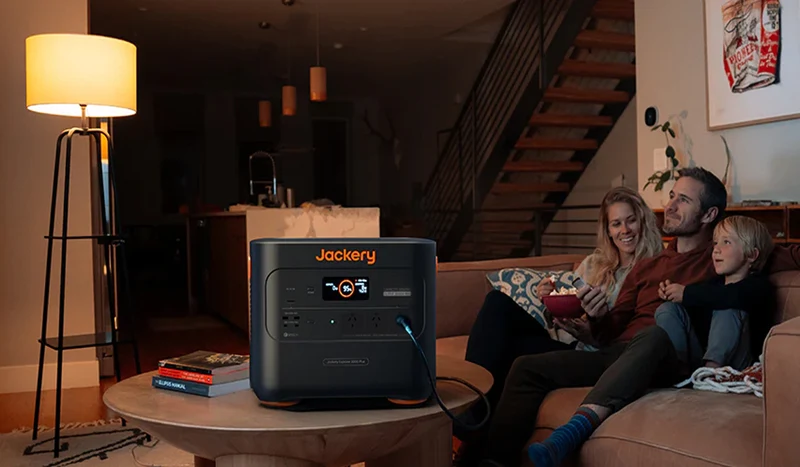
A power outage has a way of revealing just how dependent modern life is on electricity. The lights go dark, Wi-Fi disappears, phones start losing charge and the refrigerator suddenly becomes something worth worrying about. Even outside the home, electricity matters. A laptop on a camping trip, a camera on a road adventure or a small appliance in an RV can turn a simple day outdoors into a frustrating one when there is nowhere to plug in.
Portable power has therefore moved beyond the niche world of serious campers and off-grid enthusiasts. It is becoming a practical part of everyday preparedness, travel and home life. Jackery has built its reputation around that shift, developing portable power stations, solar generators, solar panels and larger home backup systems designed to bring dependable electricity into places where a traditional outlet is unavailable.
Power Backup Is Becoming Part of Modern Home Planning
The idea of having backup electricity is hardly new, but the technology available to households has changed considerably. Traditional fuel-powered generators can provide substantial power, yet they are noisy, require fuel and need to be operated outdoors because of exhaust. Portable battery systems offer a different experience, particularly for people who need quieter backup for essential electronics and appliances.
Jackery’s current range now stretches from compact portable stations to much larger systems designed for home backup. Its lineup includes the Explorer 300 v2 at 288Wh and 300W, the Explorer 1000 v2 at 1070Wh and 1500W, and larger models such as the Explorer 5000 Plus with 5040Wh capacity and up to 7200W output.
That range matters because there is no single definition of “backup power.” A person who wants to keep a phone, router and laptop running during a short outage needs something very different from a household trying to keep refrigeration and several essential appliances operating for longer.
The Right Power Station Depends on What You Actually Need
One of the easiest mistakes when shopping for portable power is focusing on battery capacity alone. Watt-hours tell you how much energy a battery can store, while output tells you what kinds of devices it can power at a given time. Both matter.
Jackery makes the range easier to understand by organising products according to different scenarios, including basic, standard and premium home backup as well as camping, RV travel and off-grid living. Its product comparison tools also allow shoppers to consider their appliances and estimated wattage when assessing a power station.
For everyday users, that is a much more useful way to approach the purchase. Instead of buying the biggest model simply because it has the largest numbers, it makes more sense to list the devices that actually matter during an outage or trip. A phone and router require relatively little power. A refrigerator, induction cooker or power tool can demand considerably more.
Solar Changes the Meaning of Portable Power
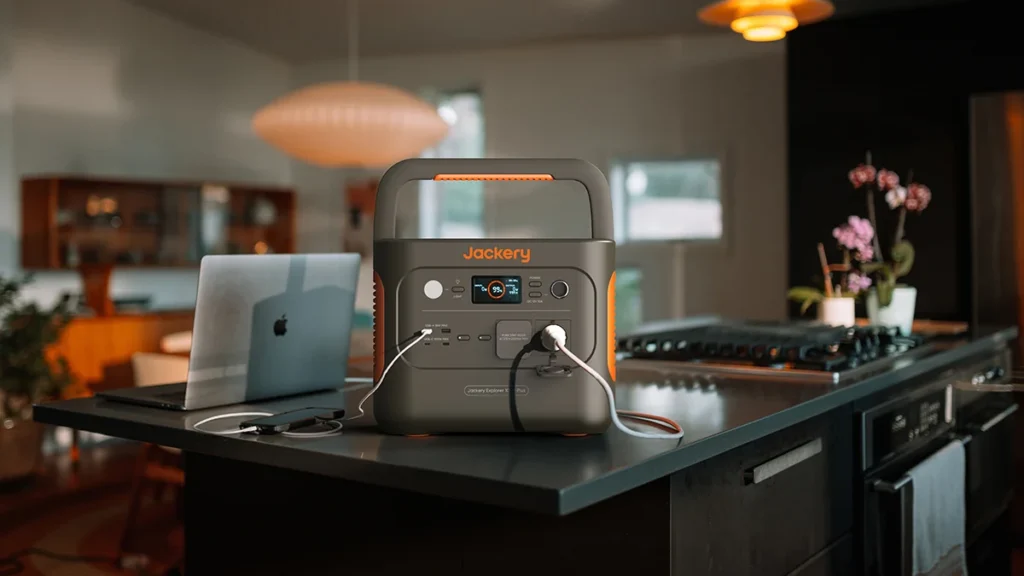
A battery is useful because it stores electricity, but solar charging adds another layer of flexibility. Instead of treating a power station as a battery that eventually needs a wall outlet, a solar generator can combine storage with a renewable way to replenish that energy when conditions allow.
Jackery’s solar-generator range pairs its portable power stations with SolarSaga panels. Current products include the SolarSaga 500 X bifacial solar panel, SolarSaga 200W bifacial panels and smaller SolarSaga models designed for more portable setups. Jackery lists its SolarSaga panels with features such as waterproof construction on several current models.
The practical advantage becomes obvious during extended outdoor trips or prolonged outages. Solar charging will naturally depend on sunlight, weather, panel placement and the specific system, so it should not be treated as an instant replacement for grid electricity. But having the option to recharge without relying entirely on the electrical grid can make a portable power system much more useful over time.
Outdoor Adventures Need Power Without Losing Their Sense of Freedom
Camping is one of the clearest places to understand the appeal of portable power. People increasingly bring phones, cameras, lights, coolers, laptops and other electronics into the outdoors. The challenge is keeping those devices useful without turning a campsite into an extension of the living room.
Jackery’s current outdoor range includes compact Explorer models as well as larger systems aimed at camping, RVs and off-grid living. Its Explorer 600 v2, for example, offers 640Wh capacity and 500W output, while the Explorer 1500 Ultra provides 1536Wh capacity and 1800W output.
That variety gives outdoor users room to choose how much convenience they want. A weekend camper may need only enough energy for lighting, phones and a few small devices. Someone travelling in an RV may want considerably more capacity for appliances and longer stays away from conventional hookups.
Newer Models Are Making Home Backup More Ambitious
Jackery’s recent product development shows how quickly portable energy is moving toward larger-scale household applications. Its current lineup includes the HomePower 3000 with 3072Wh capacity and 3600W output, the HomePower 3600 Plus with 3.6kWh capacity and 3600W output, and the Explorer 5000 Plus at 5040Wh and up to 7200W output.
The company has also expanded its Plus line, with a recent 2026 launch adding new Explorer 300 Plus, 700 Plus and 1000 Plus models. Jackery describes these as part of an effort to improve portable solar-generator performance and convenience.
For homeowners, the important development is not simply that batteries are getting larger. Expandable systems can allow energy storage to grow alongside household needs. That can be useful for someone starting with emergency essentials and later deciding that longer backup or additional appliances deserve coverage.
Fridge Protection Shows Why Small Details Matter
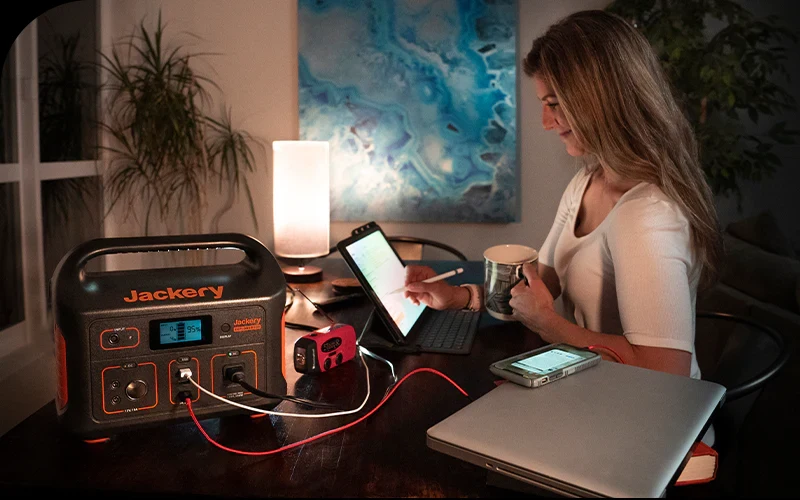
During an outage, people often think first about lights and phone charging. Refrigeration can actually be one of the more important concerns. Losing power to a refrigerator or freezer for an extended period can turn an inconvenient outage into wasted food and additional expense.
Jackery’s current range includes the FridgeGuard, a 1024Wh system rated at 800W and specifically positioned around keeping refrigerators powered.
It is a good example of how backup power is becoming more specialised. Rather than expecting one enormous system to handle every possible situation, households can increasingly think about the particular equipment that needs protection. For some families, that may mean refrigeration. For others, it could be medical equipment, communications equipment, security systems or a home office.
Choosing Backup Power Means Thinking About the Moment You Actually Need It
The most useful power station is not necessarily the one with the most impressive specification sheet. It is the one that matches the situation you are preparing for.
Before choosing a Jackery system, it is worth considering:
- Which devices must remain powered during an outage?
- What is the combined wattage of those devices?
- How long would you ideally like them to run?
- Will the system mainly stay at home or travel with you?
- Would solar charging be useful?
- Is the unit’s weight and size practical for your intended use?
- Do you need expandable capacity for future needs?
These questions turn a complicated technology purchase into a much simpler household decision. Jackery’s own product comparison tools encourage shoppers to look at appliance wattage and charging conditions, which can help prevent choosing a system based only on battery capacity.
Reliable Energy Is Really About Keeping Everyday Life Moving
The most interesting thing about Jackery’s current product range is how far portable power has moved from its original camping niche. The company now covers compact portable stations, solar generators, larger expandable systems, solar panels, refrigerator-focused backup and whole-home solutions.
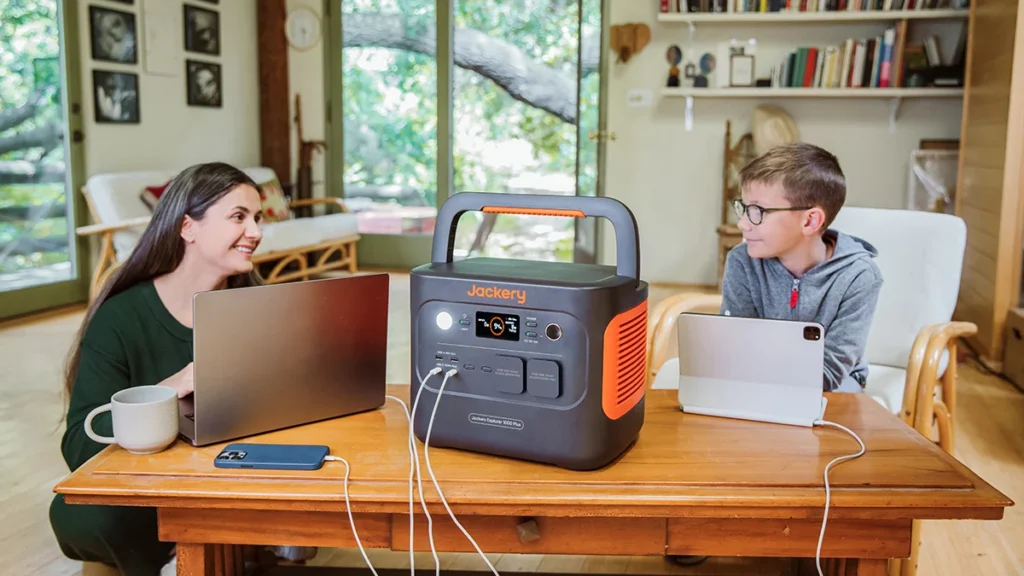
That makes the technology relevant to a much wider group of people. A camper can use it to bring power into the wilderness. An RV owner can reduce dependence on hookups. A homeowner can prepare for outages. Someone working remotely can keep essential equipment running when the grid becomes unreliable.
A Smarter Backup Plan Starts With the Power You Cannot Afford to Lose
Electricity is easy to take for granted until it disappears. Once it does, the value of having a practical backup becomes obvious.
Jackery offers a broad enough range to approach that problem from different directions, from lightweight portable power stations and solar panels to expandable systems designed for serious home backup. Its recent product expansion also shows that the category is continuing to evolve, with greater capacity, flexible configurations and solutions built around specific everyday needs.
The smartest approach is still a simple one: work out what needs power first, then choose the technology around it. When the lights go out, the weather changes or the road leads somewhere without an outlet, having that plan already in place can make the difference between a major disruption and a minor inconvenience.