
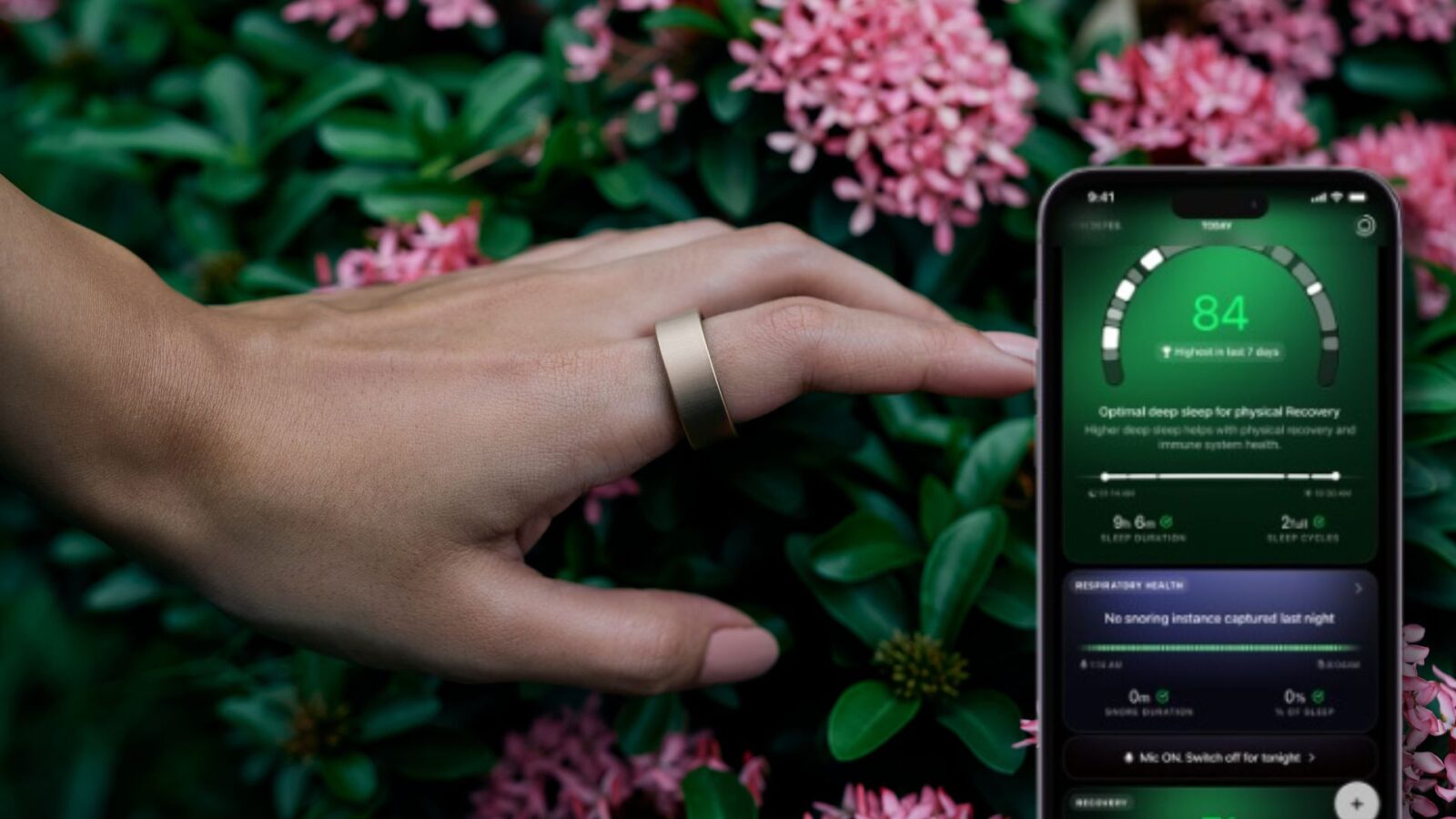
The wrist has dominated wearable health tech for years. Watches and bands became shorthand for fitness tracking, but a quieter category has been gaining ground the smart ring. Worn on a finger rather than strapped to a wrist, ring-form devices offer something the band format has always struggled with, comfort consistent enough that people actually wear them to sleep, which is precisely when the most revealing health data gets recorded. Ultrahuman Healthcare has built its product line around this principle, developing ring-based hardware paired with software capable of translating raw sensor data into daily health guidance that feels actionable rather than overwhelming.
What a Ring Wearable Does That a Watch Cannot
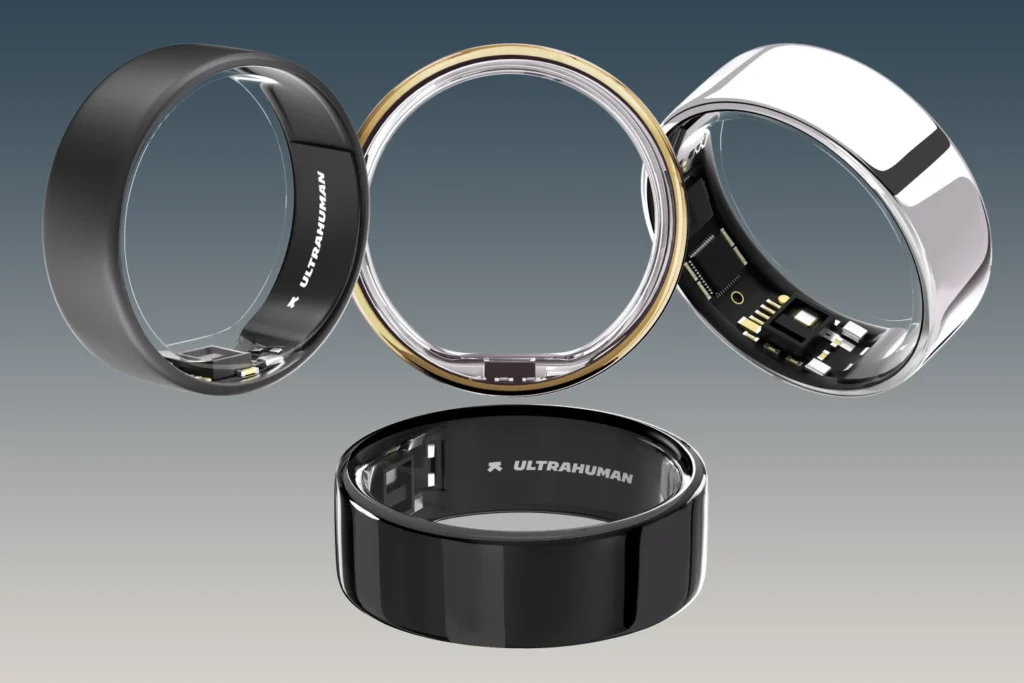
Fingers are physiologically different from wrists. The blood vessels running through the finger are closer to the skin’s surface, which makes photoplethysmography sensors, the optical sensors used to measure heart rate and blood oxygen, more accurate. Fingers also don’t flex and extend the way wrists do during activity, reducing motion artifacts that can distort readings. And critically, most people find a smart ring far easier to forget than a watch. That forgettability is the feature. A health tracker only delivers useful data when it’s worn consistently and consistency is easiest when the device doesn’t feel like wearing a device. The engineers at Ultrahuman Healthcare have leaned into this design advantage, keeping ring weight low and finishing surfaces in materials that don’t irritate skin during extended wear.
Sleep Staging and Why Nightly Data Matters More Than Daily Metrics
Steps and active calories are visible metrics, they reward movement and make activity legible. But the health data with the strongest connection to long-term wellbeing is recorded when you’re lying still. Sleep quality affects immune function, hormonal regulation, cognitive performance, mood and cardiovascular risk. A health wearable that maps your sleep architecture, how long you spend in light sleep versus deep NREM versus REM, gives you a lever to work with. If deep sleep is consistently compressed, the question becomes why. Late meals? Alcohol? Inconsistent bedtime? Elevated resting heart rate during sleep often points to physical or emotional stress the body is still processing. Heart rate variability, which drops when recovery is poor, becomes one of the clearest signals available for gauging whether the nervous system has actually rested. A quality ring from Ultrahuman Healthcare is built to capture this data with the sensor precision required to make sleep staging genuinely reliable.
Readiness Scores and How They Shape Daily Decisions
One of the more practical outputs of continuous health monitoring is a daily readiness score, an aggregated number that draws on overnight HRV, resting heart rate, sleep duration and quality, body temperature trend and activity from the previous day. Rather than asking users to interpret raw charts, a readiness score collapses that complexity into a single figure. A score of 85 means the body has recovered well and can tolerate high-intensity effort. A score of 52 suggests something is off, the system is under load and pushing hard will likely deepen rather than resolve that deficit. Used consistently, these scores help athletes time hard efforts and recovery sessions more intelligently and help non-athletes understand when life stress is accumulating in ways the body is registering before the mind does. The appeal of having this kind of daily signal from a smart ring is substantial.
Metabolic Tracking and the Broader Ultrahuman Ecosystem
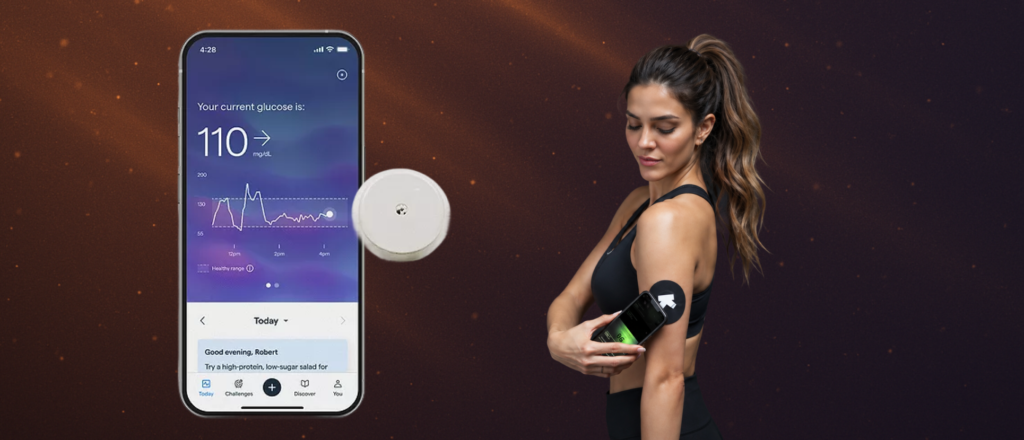
Ultrahuman Healthcare has extended beyond the ring into metabolic monitoring, specifically, continuous glucose monitoring for people who want to understand how their food choices affect blood sugar throughout the day. The pairing of a glucose patch with a ring wearable creates an unusually complete picture how a meal spikes blood glucose, how that spike affects energy and focus, how a short walk after eating flattens the curve and how sleep quality from the previous night influences metabolic stability the following day. This kind of integrated view, wearable plus metabolic sensor plus app, represents what health monitoring looks like when it’s designed as a system rather than a collection of disconnected data points. For anyone seriously interested in understanding their own physiology, exploring the full Ultrahuman Healthcare range makes clear just how far this category has moved from step counting.
Practical Considerations Before Choosing a Ring Wearable
- Sizing matters more than with most wearables, most brands provide a sizing kit before committing to the device itself.
- Battery life in a smart ring typically runs four to seven days, which is sufficient for most people to build a consistent wearing habit.
- App ecosystems differ significantly, prioritize platforms that deliver clear daily summaries over those that flood users with raw sensor graphs.
- Comfort during sleep is the make-or-break factor look for smooth edges and lightweight construction in whatever size you select.
- Software updates matter long-term, as health algorithms improve over time and better interpretation of existing sensor data often comes through the app rather than new hardware.
Health tracking that actually changes behavior is health tracking you wear consistently, understand clearly and trust to be accurate. The smart ring form factor, done well, solves the consistency problem. Ultrahuman Healthcare addresses the accuracy and clarity sides of that equation, making the category worth serious consideration for anyone ready to move beyond basic fitness logging.