
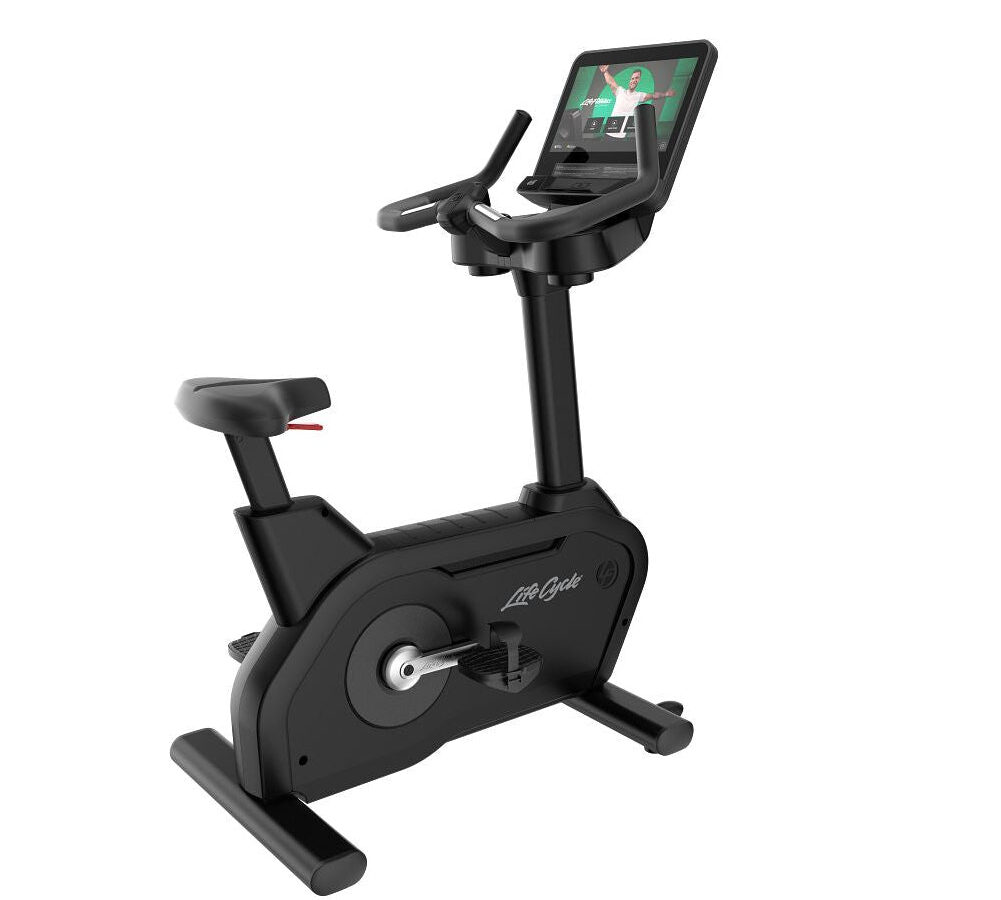
Experienced lifters sometimes treat strength machines as interchangeable, but the choice between plate-loaded and selectorized equipment shapes how a session actually feels. The plate-loaded vs selectorized machines decision comes down to loading method, movement pattern, and available floor space, three factors that rarely get equal attention. Life Fitness offers both formats across its Hammer Strength line, which makes the distinction worth understanding before building out a home or facility gym.
Understanding Plate-Loaded Machine Design and Mechanics
Plate-loaded machines rely on free weight plates slid onto exposed loading pins rather than a weight stack hidden inside the frame. This means resistance increases in whatever increments the available plates allow, giving a more hands-on loading experience. Hammer Strength built its reputation on this format, and Life Fitness continues to offer plate-loaded racks and machines designed for home use. Many of these pieces use linear bearings or pivoting arms, so the resistance path still feels guided even though the load itself is manual.
Because the resistance comes from physical plates, loading time is longer than with a stack-based machine. A lifter has to add or remove individual plates on each side to change the weight. That tradeoff is part of what separates plate-loaded vs selectorized machines in daily use, and it matters most when a training session rotates through several exercises quickly.
Selectorized and Ground Base Machines: A Different Loading Approach
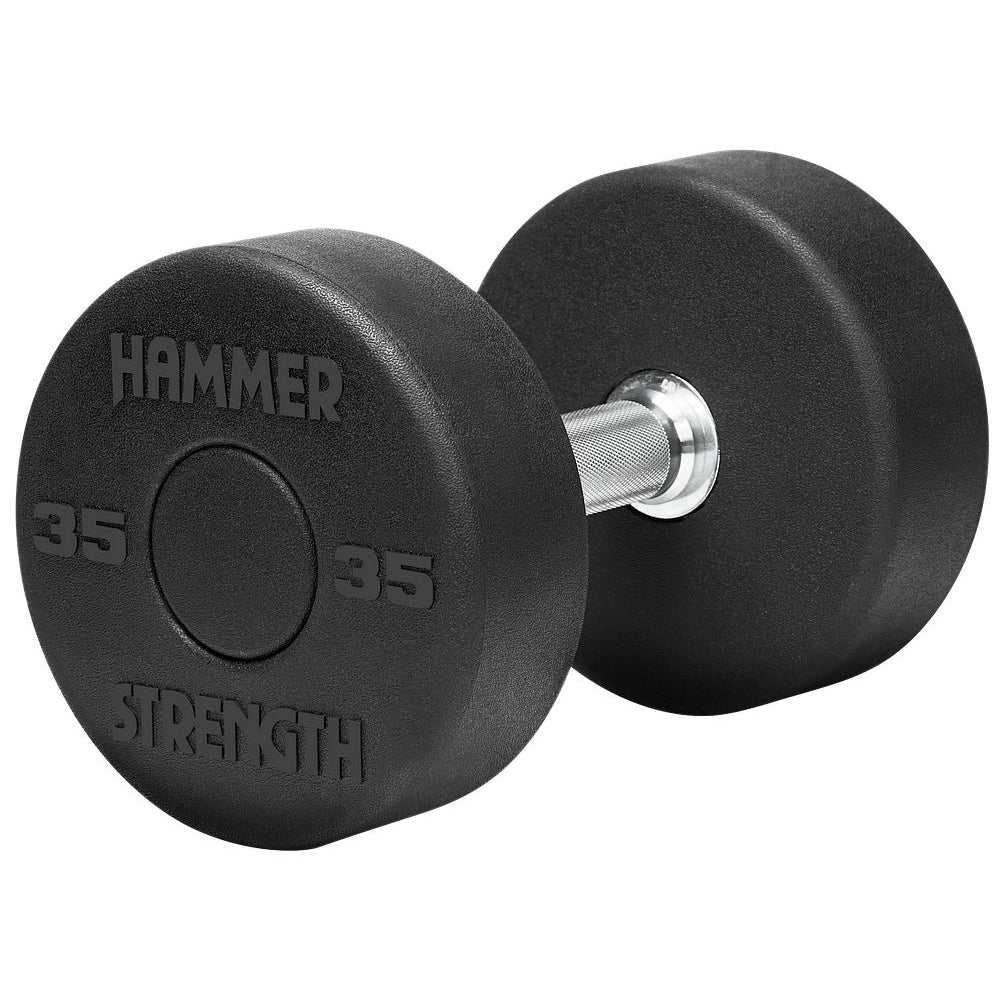
Selectorized machines use an internal weight stack adjusted with a single pin, which speeds up transitions between sets. Life Fitness groups its Selectorized options separately from Ground Base machines and the Hammer Strength Select line, keeping pin-adjustable equipment in its own category on the shop. Ground Base machines, listed under their own heading on the brand’s site, anchor the resistance mechanism to the floor rather than to a moving carriage, which changes how the load feels through a lift.
Selectorized equipment tends to suit circuits or shared training spaces where multiple people cycle through stations. Because the pin-based system limits plate handling, it also reduces clutter around the machine. That convenience is a core part of the plate-loaded vs selectorized machines comparison, especially in settings where speed between exercises matters more than incremental loading.
Hammer Strength Iso-Lateral Machines and Independent Limb Training
A defining feature of several Hammer Strength plate-loaded machines is the Iso-Lateral design, where each side of the body moves its own independent arm. The Hammer Strength Plate Loaded Iso-Lateral Row and the Plate Loaded Iso-Lateral Bench Press both use separate weight horns, allowing diverging and converging motion on each side. This setup lets each limb handle its own portion of the load rather than sharing a single fixed bar path.
Selectorized machines, by contrast, more commonly use a single shared handle or a linked pair of handles tied to one weight stack. That structural difference is one reason Iso-Lateral plate-loaded designs stand apart within the broader comparison between loading formats. Independent limb movement is a mechanical feature of the equipment itself, not a guarantee about how any individual uses it.
Upper Body Plate-Loaded Options: Bench Press and Row Variations
The Plate Loaded Iso-Lateral Bench Press includes a horizontal grip option built to echo a traditional bench press or athletic pressing pattern. The Plate Loaded Iso-Lateral Incline Press extends that same Iso-Lateral format to an inclined pressing angle, and the Plate Loaded Iso-Lateral Row targets pulling strength with an angled seat and chest pad. Life Fitness places all three within the Hammer Strength Plate Loaded collection, next to the brand’s lower body and Ground Base listings, so upper body options stay grouped together for comparison.
Each of these machines loads from exposed pins on the sides of the frame, consistent with the rest of the plate-loaded category. The row’s design aims for balanced strength gains between both sides of the body, a direct result of its independent work arms. These upper body pieces sit alongside the belt squat, leg press, and glute drive in the same plate-loaded lineup.
Lower Body Plate-Loaded Machines: Leg Press, Belt Squat, and Glute Drive
The lower body plate-loaded lineup includes the Hammer Strength Plate Loaded Linear Leg Press, built around a linear bearing system described as keeping reps feeling natural. Its flip-in, flip-out racking mechanism is designed for quick plate changes despite the manual loading format, and the listing notes a minimum door width requirement of 45 inches for installation. The molded pads are described as built for longevity under repeated use.
The Plate Loaded Belt Squat uses front and rear weight rods along with four belt anchor points, which allow varying resistance ratios. Its dual foot platforms include a separation gap meant to help prevent marring from the belt and chain. The Plate Loaded Glute Drive rounds out the lower body category, offering functional movement for posterior training without relying on barbells or dumbbell benches.
Building a Balanced Home Gym: When to Choose Each Machine Type
A home gym built around Hammer Strength equipment can mix plate-loaded and selectorized formats depending on available space and training goals. Life Fitness also lists PWR Play, a configurable strength and functional training setup with cable-based stations and add-on accessory options, as a separate path for individual or partner training. That range of formats is what keeps the plate-loaded vs selectorized machines question relevant long after the first purchase, since a space can grow into either direction over time.
- Selectorized machines generally allow faster load adjustment through a single pin rather than manually stacking plates.
- Plate-loaded machines, particularly Hammer Strength’s Iso-Lateral designs, offer more exercise variety through independent arm paths and multiple grip angles.
- Plate-loaded equipment such as the Linear Leg Press lists a minimum door width for installation, which affects space planning in a home setting.
- Iso-Lateral plate-loaded machines allow each limb to move independently, while many selectorized machines link both sides to one stack.
- Training stimulus differs between the two formats because plate-loaded machines depend on manually added resistance while selectorized machines rely on a fixed internal stack.
Combining categories inside one gym, rather than committing entirely to one format, lets a space cover both the independent-limb training found in plate-loaded Iso-Lateral machines and the quicker pin-adjustable loading of Selectorized and Ground Base equipment. Floor space, door clearance, and the number of stations wanted all factor into that layout decision.
Neither format replaces the other, and most training spaces end up drawing on both.