
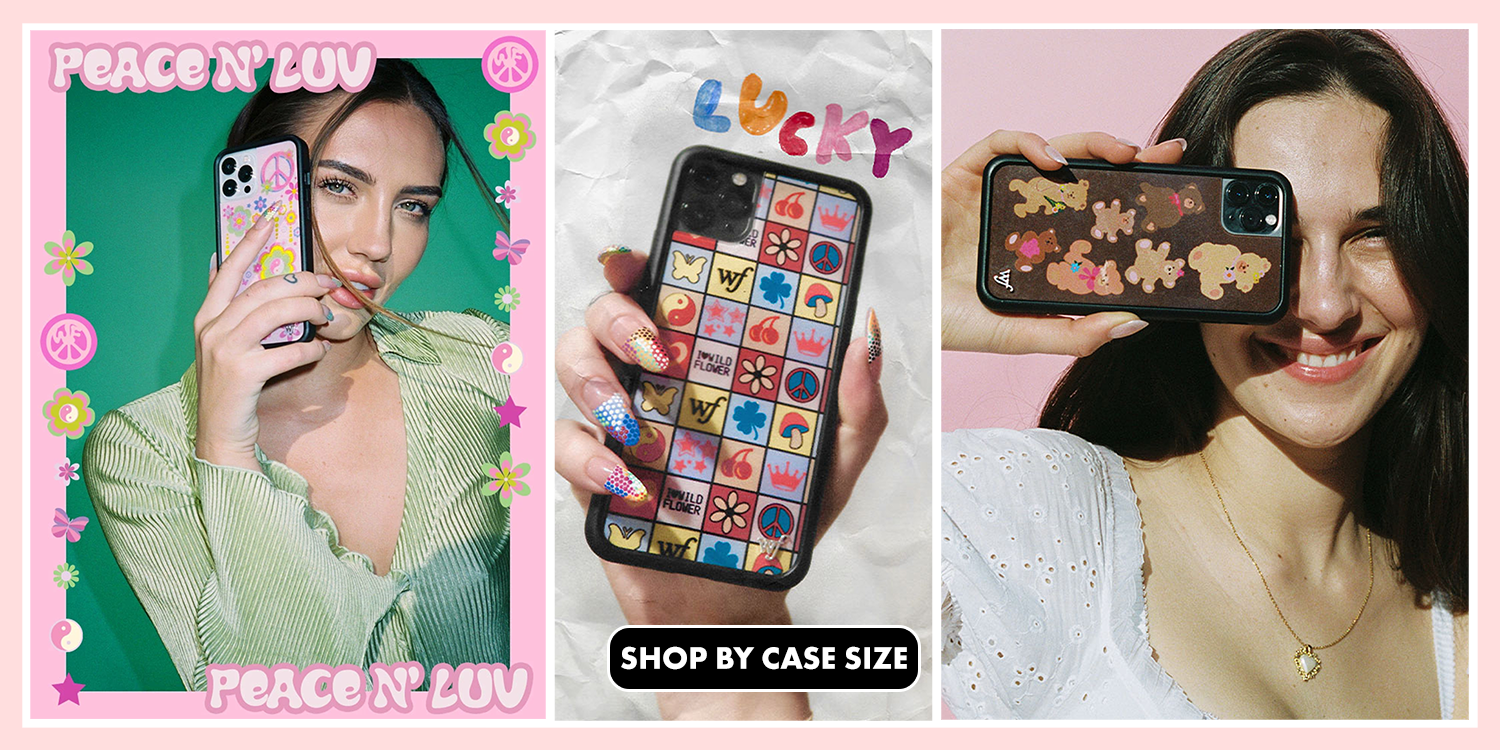
The phone case has quietly become one of the most visible accessories a person carries. It is on a desk during meetings, on a café table during conversations, in hand during almost every part of a commute. And yet, for a long time, the market treated cases as purely functional objects, rigid slabs of rubber or plastic whose only job was to absorb the impact of a fall. That view has shifted considerably and brands like Wildflower Cases have been part of the reason why.
The Shift From Utility to Self-Expression
There is a straightforward logic to why phone cases became a fashion category rather than just a protective one. Phones are expensive, so cases are non-negotiable for most people. And since a case is something you see and handle dozens of times each day, the argument for it looking good, for it saying something about the person who chose it, becomes easy to make.
The aesthetic of a phone case functions in the same way as any other small accessory a watch, a bag clasp, a pair of earrings. It signals taste, personality and a degree of care about the details of one’s appearance. The move toward more designed, art-forward cases tracks closely with the way streetwear and contemporary fashion have blurred the line between clothing and other objects in a person’s daily life.
What to Look for When Choosing a Case
Not all cases are built equally and the gap between a well-made case and a cheap one becomes obvious quickly. The first consideration is fit, a case that is cut imprecisely will leave gaps around camera modules or charging ports, which affects both function and appearance. A precise fit also means the buttons remain responsive and the case does not add so much bulk that the phone becomes uncomfortable to hold for extended periods.
Material matters too. Rigid plastic cases offer protection but can crack under impact. Silicone and rubber-blend cases absorb shock more effectively but can pick up lint and feel tacky over time. The best cases use a combination, a rigid inner shell for structural protection paired with softer edges that cushion the impact zones where a dropped phone is most likely to strike. Wildflower Cases designs its products with both of these factors in mind, combining printed artwork with construction that actually holds up.
How Design Quality Shows in the Details
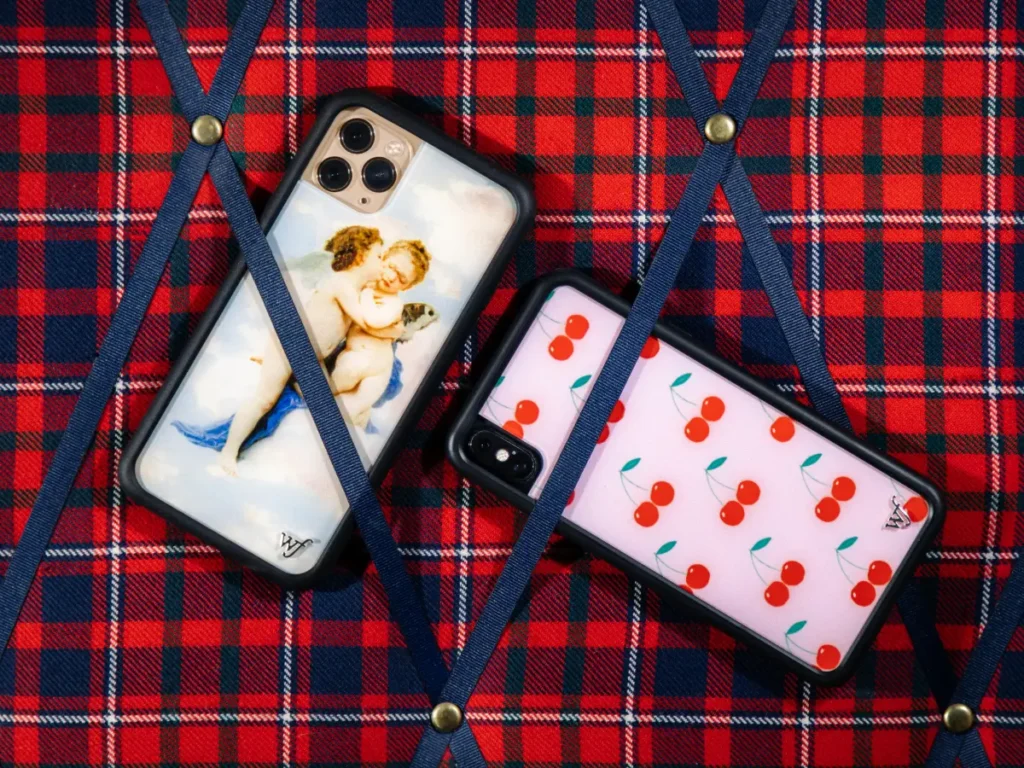
The quality of a printed case design reveals itself over time. Lower-quality printing fades, yellows or peels within months of regular use. Better-quality cases treat the surface so that the design remains intact through the friction of pockets, bags and constant handling. This distinction is not always obvious from a product photo, which is why the reputation of the brand and the quality of customer reviews matters so much when choosing between options at similar price points.
- Check that camera cutouts are precise, any overlap affects image quality and lens covers.
- Look for raised edges around the screen for face-down drop protection.
- Test button responsiveness through the case before committing to regular use.
- Assess print quality by looking at fine-line details and colour transition areas in product photography.
- Consider how the case ages, light-coloured cases show yellowing faster on cheaper materials.
Matching a Case to Your Personal Style
Choosing a phone case with intention rather than default follows the same principles as choosing any other accessory. The case that works best is the one that holds up functionally while also fitting naturally into how you dress and present yourself day to day. Someone who gravitates toward neutral, minimal clothing will likely find a bold graphic case jarring after a few weeks and someone who wears colour and pattern throughout their wardrobe may find a plain black case feel oddly blank.
The range available from Wildflower Cases spans a wide spectrum, from floral prints and pastel palettes to bolder graphic designs, which makes it practical to find something that fits a range of personal aesthetics rather than having to choose from a single design direction. The breadth of the catalogue also means it is possible to treat cases as seasonally rotating accessories, the way someone might update a bag or a scarf when their wardrobe shifts.

Cases as Gifts That Require Actual Thought
A phone case is one of those gifts that sounds uninspired in the abstract but can work extremely well when chosen with genuine attention to the recipient. The key is specificity, knowing their phone model, knowing something about their taste and choosing a design that reflects both. A case that lands well shows a level of observation that more generic gifts do not require. A case that misses badly is equally revealing, which is why putting thought into the choice matters.
For gifts, the visual presentation of the case often does as much work as the case itself. Cases that arrive in considered packaging, with clear branding and a sense that the product has been made with care, read as more considered gifts than cases that arrive in a plain poly bag. The gift-giving context is one where the full presentation of the product, not just the case itself, contributes to how the gesture lands. Browsing the current range at Wildflower Cases gives a clear sense of the visual language and quality on offer before committing to a specific design.
A phone case is a small object that gets handled constantly, choosing one that looks and feels right is a straightforward way to make a daily routine feel more considered.