

Luggage basics cover how travel bags are sized, built, and matched to a trip, long before anyone compares brands. The travel bag market spans soft duffels, rigid hardside cases, backpacks, and business totes, and the terminology can confuse a first-time buyer. This overview walks through the core categories, construction types, and where Samsonite fits into the wider luggage category.
What Luggage Is and Why Travel Bags Matter
Luggage is simply the equipment used to carry belongings while traveling, but the category spans far more than one design. A rolling suitcase, a duffel, a backpack, and a business case all qualify as luggage, each built for a different way of moving through an airport or a weekend trip. Picking the right one affects how easily someone clears security, fits a bag into an overhead bin, or hauls gear across a train platform.
Because travel patterns vary so much, luggage basics start with matching the bag to the journey rather than buying on looks alone. A commuter who checks a bag twice a year has different needs than someone who flies weekly for work. That is why most retailers, including Samsonite, organize their range by trip type and size rather than by a single universal product.
Carry-On vs. Checked Luggage: Core Size and Weight Distinctions
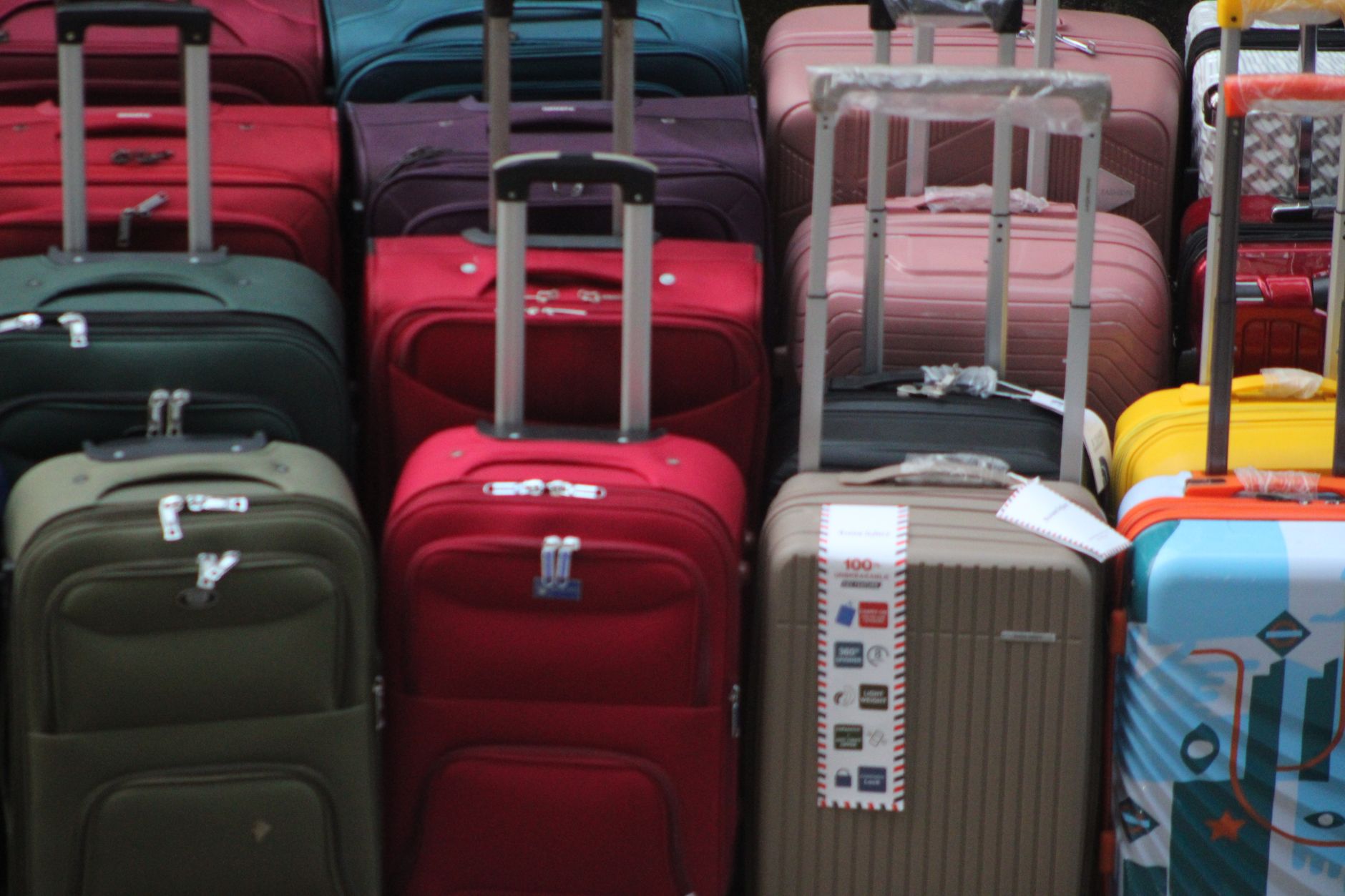
Carry-on luggage is built to fit airline overhead bin limits, keeping travelers in control of their bags from check-in to landing. Checked luggage, by contrast, is designed for larger loads and gets handed off at the counter, so it tends to prioritize interior volume over compact dimensions. Samsonite’s lineup reflects this split directly, with the Outline Pro Carry-On Spinner positioned for cabin travel and the Paralux Large Spinner and Elevation Plus Hardside Large Spinner built as checked pieces, each offered across several color variants.
Weight matters as much as size, since airlines enforce limits on both. A heavier shell can eat into the allowance left for clothing and gear, which is one reason lightweight construction gets so much attention in product descriptions. Shoppers comparing carry-on and checked options often weigh an empty case before anything else.
Hardside and Softside Construction in Modern Luggage
Hardside cases use a rigid outer shell, typically shaped to resist crushing and keep a defined form even when packed unevenly. Softside luggage relies on fabric construction instead, which often allows for exterior pockets and a bit of give when a case is slightly overpacked. Neither style is strictly better, and the choice usually comes down to how someone packs and what they are hauling.
Samsonite sells both constructions side by side rather than favoring one. The C-Lite Large Spinner and the Elevation Plus Hardside Large Spinner represent the hardside side of the range, while the Better Than Basic Weekender shows the softside, duffel-style option, available in six colors including Chocolate Mauve. Having both available under one name lets shoppers compare construction types without switching retailers.
Samsonite’s Signature Collections and Core Product Range
The brand groups much of its range under what it calls its Signature Collections, a set of iconic and refined designs sold through its direct shop. The site also lists business cases, backpacks, and travel accessories alongside the suitcase lines, rounding out the range beyond rolling bags alone. That spread means the catalog is built around trip length and handling style rather than a single suitcase design.
The shop also lets shoppers create a personal set and combine pieces across these lines, with the Outline Pro Carry-On Spinner available in 7 different options and the Paralux Large Spinner in 5, a detail that matters for anyone trying to match finish across a multi-piece set rather than buy one case in isolation. That kind of variety is part of what separates a single-case purchase from a fuller luggage basics approach to packing.
Spinners, Materials, and Durability Features Across Categories
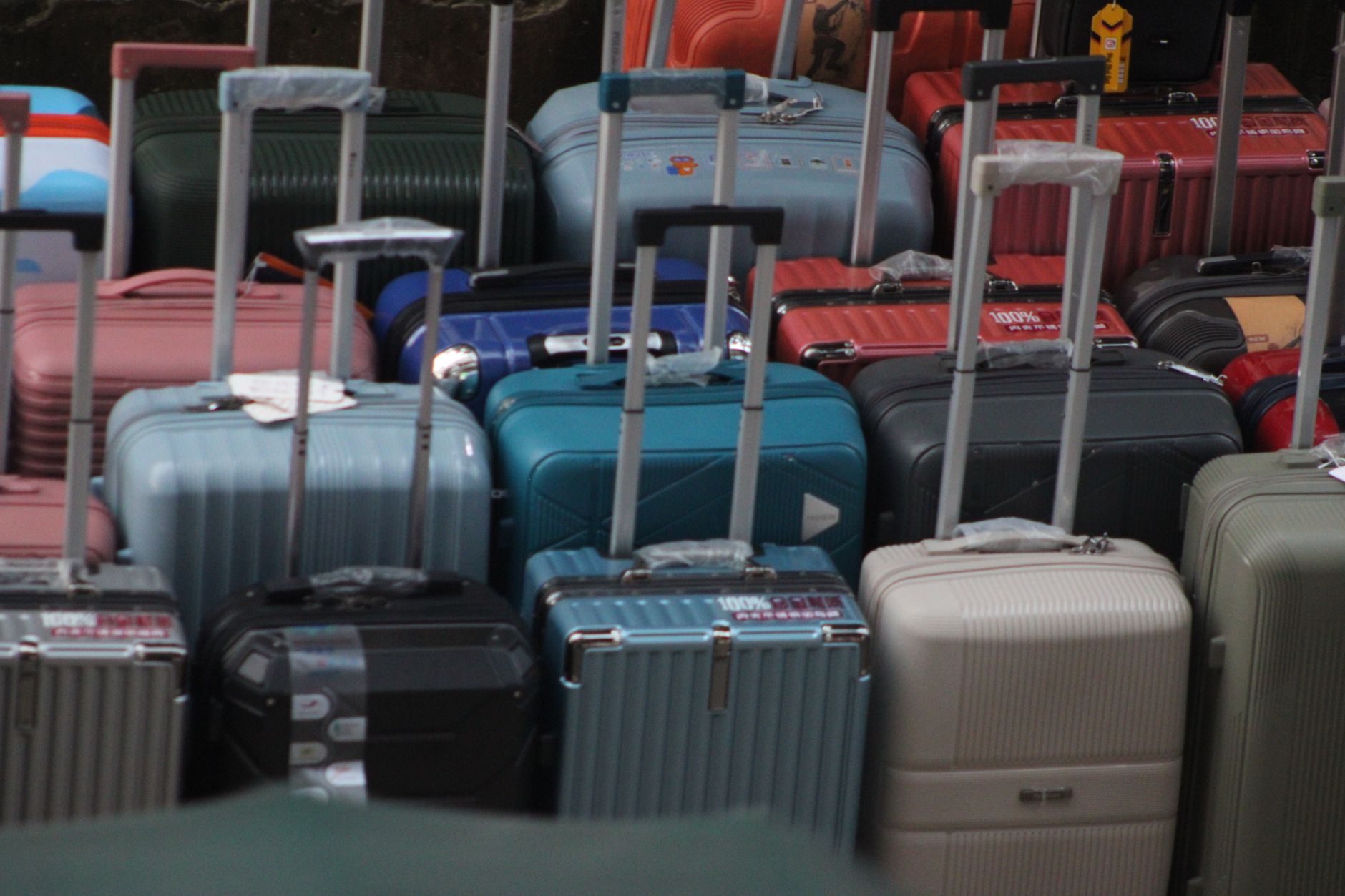
Spinner wheels, meaning four multidirectional casters instead of two fixed wheels, show up across most of the checked and carry-on lines named above. The Outline Pro Carry-On Spinner, Paralux Large Spinner, Elevation Plus Hardside Large Spinner, and C-Lite Large Spinner all carry the spinner design in their names, signaling that wheeled mobility is shared across the Samsonite collection rather than limited to one line. That consistency gives shoppers a predictable handling experience whether picking a cabin-sized case or a large checked one.
Color and finish options also vary by line, with choices such as Midnight Blue on the Outline Pro, Midnight Navy on the Paralux, Soft Blue on the Elevation Plus, and Chocolate Mauve on the Better Than Basic Weekender. These options let buyers choose a look without changing the underlying case size or category.
Building a Travel Bag Setup: Luggage for Different Trip Types
No single bag covers every kind of trip, which is why travelers often build a small set rather than relying on one case for everything. Brands like Samsonite recognize this reality by offering dedicated styles to match different scenarios rather than pushing one universal solution.
- A carry-on spinner suits short trips where avoiding checked bag handling is a priority.
- Large checked spinners work for longer trips or travelers packing for more than a few days.
- A weekender duffel fits quick overnight or short getaway trips where a full suitcase is unnecessary.
- A business case serves commuters or professionals who need a dedicated space for a laptop and documents.
- A backpack suits travelers who want hands-free carrying through transit stations or airports.
Thinking in terms of these categories, rather than searching for one ideal bag, is really the core of luggage basics. Matching bag type to trip length, handling needs, and packing volume tends to matter more than any single feature on its own.
Closing Thought
A well-matched bag quietly disappears into the background of any trip, which is why taking time to understand these basics pays off long after the purchase.