
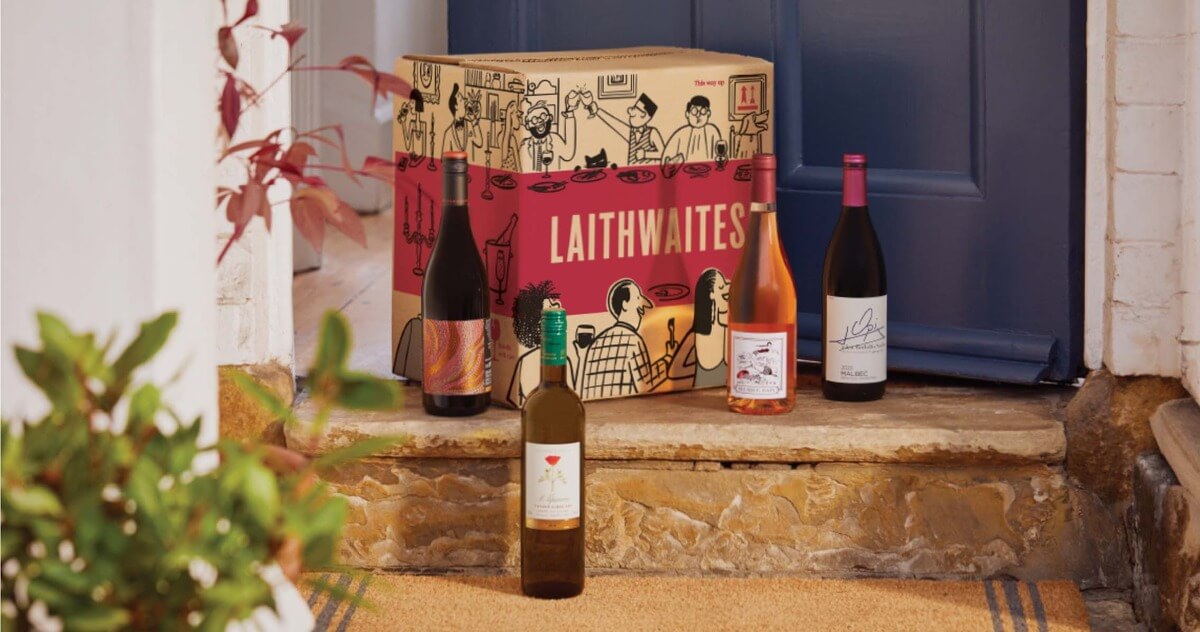
Building a home wine collection is one of those pleasures that compounds over time. The more you learn, the more you enjoy what you open. But choosing where to source your wine matters as much as which bottles you pick. A good wine merchant brings expertise, consistency and range, qualities that are hard to replicate by browsing a supermarket shelf. Laithwaites has built a reputation around exactly those qualities, offering customers a curated selection of wines from producers around the world.
Why the Source of Your Wine Matters
Not all wine retail is equal. Supermarkets move high volumes at low margins, which means buyers focus on the middle market and rarely take risks on small producers or unusual varieties. Specialist wine merchants work differently. They travel to regions, taste with winemakers and build ongoing relationships with producers whose output might be small but whose quality is reliably high.
This approach shapes everything from what ends up on a list to how the wine is stored and shipped. When you buy through a merchant that actually cares about the product, you tend to get something that reflects where it came from. That regional character, what wine people call terroir, is often absent from heavily commercial wines and it’s worth seeking out.
Red Wines for Every Palate
Red wine is where most people start and where preferences tend to run deepest. Whether you favour something light and food-friendly or a full-bodied red that can stand alone, the range available matters. Grenache and Pinot Noir sit on the lighter, silkier end. Cabernet Sauvignon and Shiraz bring more structure and tannin, making them natural partners for red meat and aged cheese.
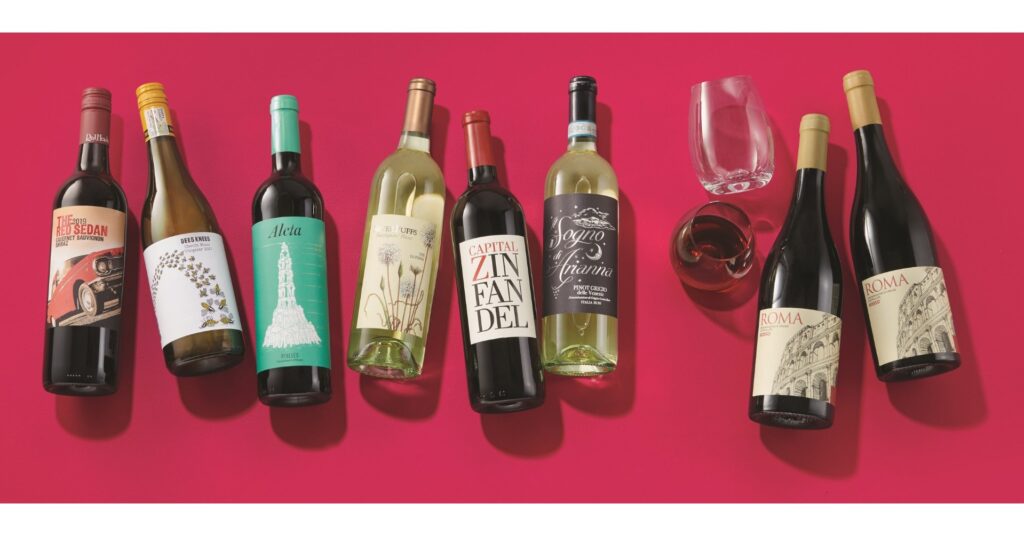
The geography of red wine is vast. Spain’s Rioja offers earthy complexity. Italian Barolo delivers power and age-worthiness. South African Pinotage brings something altogether different, smoky, dark-fruited and particular to its region. Laithwaites covers this breadth, making it straightforward to explore styles you haven’t tried before without committing to a full case of something unfamiliar.
Discovering White and Sparkling Wines
White wines reward attention to occasion and food pairing. A crisp Sauvignon Blanc from New Zealand or the Loire Valley cuts through rich fish dishes and fresh salads with ease. Chardonnay, when well-made, has a depth that surprises people who dismissed it based on poorly made examples. Burgundy and Chablis show what the grape is really capable of, mineral, textured and long on the finish.
Sparkling wine has expanded far beyond Champagne. English sparkling wine has earned genuine recognition, with chalk-heavy soils producing wines with real finesse. Prosecco remains popular for casual occasions, while Crémant d’Alsace offers a Champagne-method alternative at more accessible prices. For anyone building a home collection, having a reliable sparkling wine on hand is never a bad idea, occasions have a way of appearing unexpectedly.
Wine as a Gift
Wine makes a considered gift precisely because it requires thought. A bottle chosen with some care signals effort in a way that generic presents rarely do. Matching the wine to the recipient, their preferences, the occasion, whether they’ll drink it now or cellar it, transforms the act of giving into something more personal.
Gift sets add another dimension. A mixed case with tasting notes, a selection built around a theme or a curated introduction to a specific region all give the recipient more than just a bottle. They give context. Through Laithwaites, wine gifts can be chosen with guidance, making it easier to find something appropriate whether the recipient is a casual drinker or a serious enthusiast.

How Wine Subscriptions Work
A wine subscription changes the relationship you have with what you drink. Instead of buying reactively, grabbing whatever’s in stock when you need a bottle, a subscription delivers a thoughtfully selected case to your door on a regular schedule. The curation does the work of discovery for you, introducing wines you might not have chosen yourself.
- Mixed cases expose you to regions and varieties you wouldn’t normally reach for.
- Tasting notes help you understand what you’re drinking and develop your own preferences.
- Regular delivery means you always have something good on hand without last-minute decisions.
- Subscription flexibility lets you pause or adjust based on how quickly you’re working through your collection.
- Curated selections from a specialist merchant carry more weight than algorithm-driven recommendations.
Ordering Wine Online and What to Expect
Ordering wine online has become straightforward, but the experience varies significantly between retailers. The best ones make it easy to filter by style, region, price and food pairing. They provide genuine tasting notes rather than marketing copy and their delivery is handled carefully enough that bottles arrive in good condition regardless of season.
Storage and shipping matter more than most buyers realise. Wine is sensitive to temperature fluctuations and a bottle that’s been baked in a van during a summer delivery has already started to deteriorate before you open it. Merchants who take logistics seriously tend to be merchants who take the wine seriously too. If you’re ready to upgrade how you source wine, Laithwaites is worth exploring, the range and the service reflect the kind of attention the product deserves.
Good wine is one of those things that quietly improves life. Having a collection at home, even a modest one built over time, means you’re always ready, for a quiet evening, an unexpected guest or a meal that deserves something better than an afterthought.