
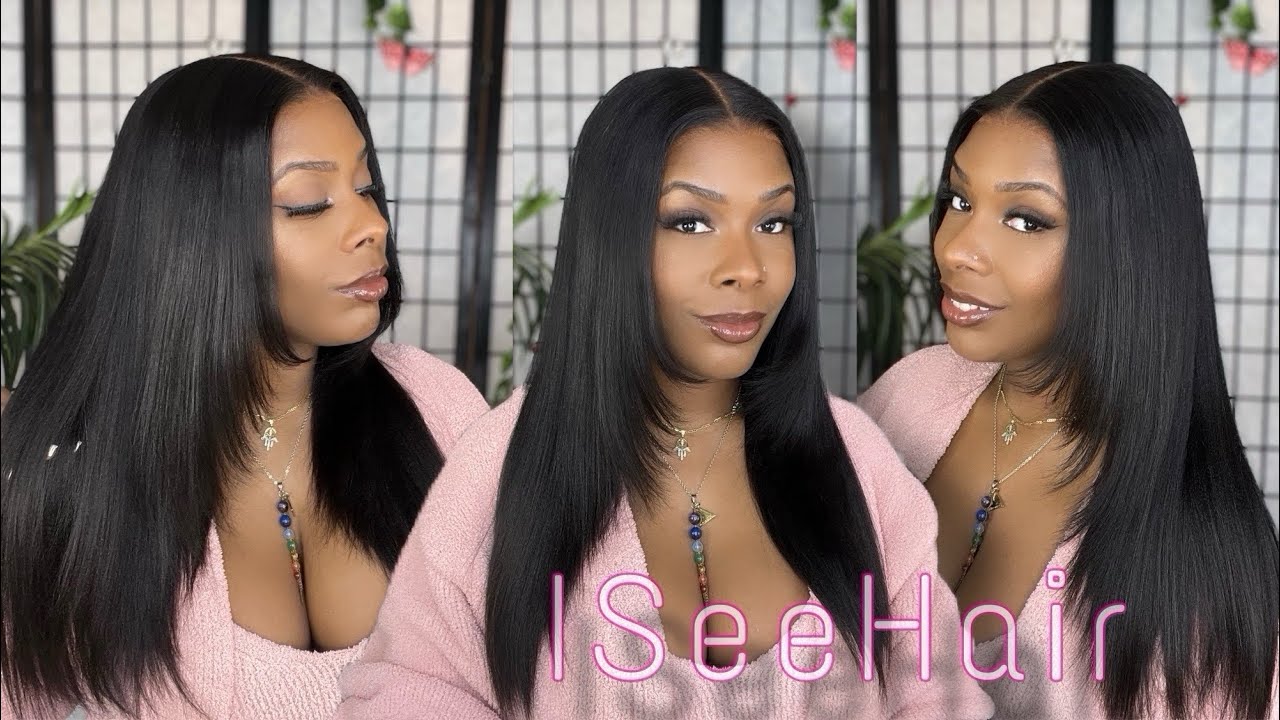
Shopping for a human hair wig or extension for the first time involves more decisions than most buyers expect. Hair type, cap construction, density percentage, color processing and lace size all affect how the final result looks and how long it holds up with daily wear. Getting these choices right at the outset saves money in the long run and produces results that look far more natural than budget alternatives. iseehair carries a range of human hair wigs and extensions designed to give buyers that natural finish across multiple style categories, from straight and body wave to deep curl and kinky textures.
Human Hair vs. Synthetic Why the Distinction Matters
The most fundamental choice in any wig purchase is between human hair and synthetic fiber. Synthetic wigs hold a fixed style, cannot be heat-styled without damage and tend to look less natural under direct light. Human hair wigs move differently, reflect light the way real hair does and can be washed, blow-dried, straightened and curled like the buyer’s own hair. They also last considerably longer with proper care, sometimes two to three years with regular maintenance, making the higher upfront cost look reasonable across a full ownership period. For anyone wearing a wig daily or for extended periods, human hair is typically the only choice that works without obvious compromises in appearance or versatility.
Cap Construction and Fit
The cap is the part of the wig that sits against the scalp and its construction determines how natural the hairline looks, how breathable the wig is and how secure it feels during wear. Lace front wigs use a sheer lace panel at the hairline that creates the illusion of a natural grow-in, while full lace caps extend that coverage across the entire scalp for maximum parting flexibility. HD lace takes this further, using a thinner, more transparent material that blends with a wider range of skin tones without requiring as much product to conceal the edge. iseehair offers options across these cap types, allowing buyers to match their choice to their styling habits and how they typically part their hair.
Density What the Percentage Means in Practice
Wig density is expressed as a percentage of the hair volume on an average human head. A 130% density wig looks fairly natural and works well for everyday wear. A 150% density adds more volume and suits those who want a fuller appearance, while 180% and above creates the kind of dramatic thickness common in editorial and protective style looks. Choosing the wrong density is a common mistake. A very high density on a fine, short style can look unrealistic, while a low density on a long style can appear thin and flat. Matching density to the intended style and occasion matters as much as the hair texture itself. iseehair lists density options clearly across its product range, making it easier to select the right specification before purchase.
- Human hair wigs can be heat-styled, colored and treated like natural hair
- Lace front caps create a natural-looking hairline at the edge
- HD lace blends with more skin tones and requires less product to conceal
- Density percentage determines overall fullness, not just length
- Proper storage and washing routine extends wig lifespan considerably
Textures and Choosing the Right Match
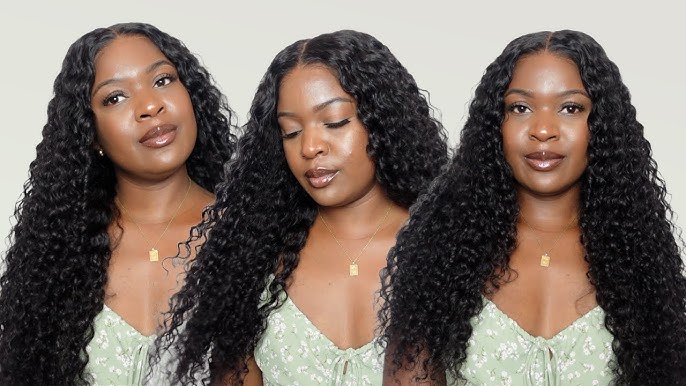
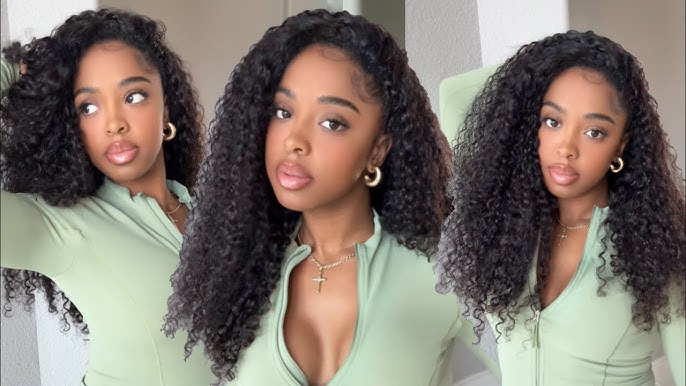
Human hair wigs come in a wide range of textures and the right choice depends on the buyer’s natural hair pattern and personal style preference. Straight and body wave styles are the most versatile and the easiest to maintain in a consistent shape. Water wave and deep wave textures have more defined curl patterns that work well for protective styling and require less manipulation to look their best. Kinky straight and kinky curly textures are designed specifically for buyers who want their wig to match their natural 4c or coily hair pattern without chemical processing. The texture also affects how the wig responds to humidity, water and heat, which should factor into any decision for someone living in a particularly wet or hot climate.
Care and Maintenance for Longevity
Human hair wigs reward care with longevity. Washing every ten to fourteen days with sulfate-free shampoo, deep conditioning after each wash and allowing the wig to air dry on a wig stand preserves both the texture and the lace. Avoiding excessive heat styling and using a heat protectant when a flat iron or curling wand is necessary prevents premature dryness and breakage. Storage on a wig stand or in a silk bag between wears keeps the style intact and prevents the lace from creasing. Buyers who treat a human hair wig as they would their own hair typically get the most use out of it. iseehair provides hair care guidance alongside its product listings, which helps new wig wearers establish the right routine from the start.
Extensions as an Alternative to Full Wigs
For buyers who want added length or volume rather than a full head coverage, clip-in and sew-in extensions offer a more targeted approach. Clip-ins attach temporarily and can be removed at the end of the day, making them suitable for occasional use without commitment. Sew-in extensions are installed by a stylist and worn for several weeks at a time, offering a more durable result that blends seamlessly with natural hair underneath. Both options work best when the extension hair matches the buyer’s natural texture and color closely, which is why the range of colors and textures available matters when sourcing extensions. iseehair carries both wig and extension options across a broad range of textures, lengths and color variations to support different styling needs and installation methods.
Whether the goal is a protective style, a length change or a complete hair transformation, getting the specifications right before buying is what separates a purchase that performs well from one that disappoints after the first wash.