
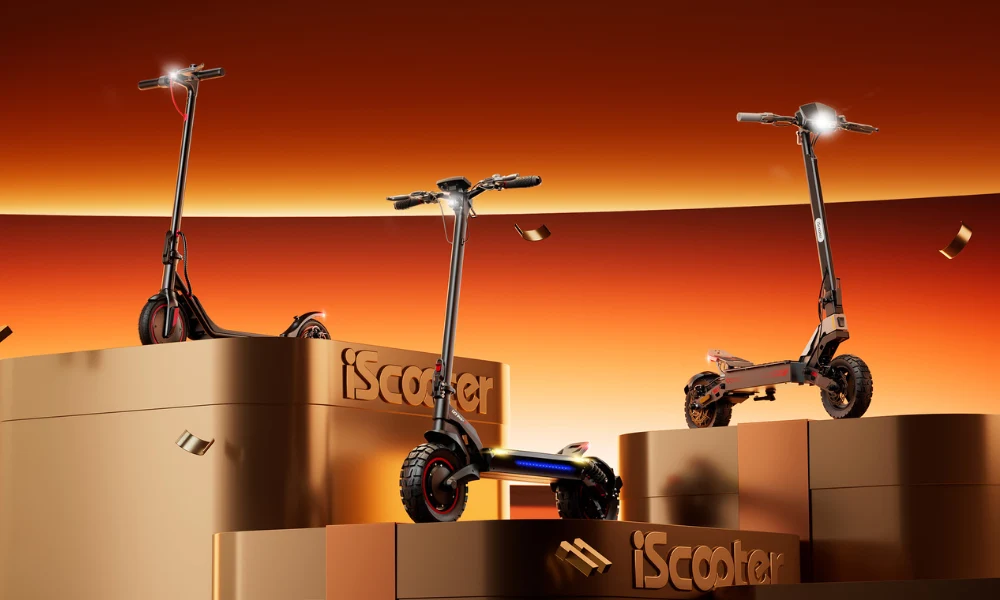
Weekend rides on an electric scooter look very different from a weekday commute. The roads are less predictable, the distances are longer and the goal is enjoyment rather than efficiency. Off-road paths, coastal promenades, country park trails and riverside routes all demand more from a scooter than a flat urban cycle lane does. Choosing a machine built for varied outdoor terrain changes what is possible on two wheels and opens up a type of riding that a basic city scooter simply cannot support.
What Sets All-Terrain Scooters Apart from Standard Models
The most significant differences between all-terrain and standard electric scooters are in the tyres, suspension and motor power. All-terrain models typically run on wider pneumatic tyres, often 10 inches or larger, which absorb bumps, grip loose surfaces and handle wet ground far better than the narrow solid tyres found on budget commuter models. Suspension systems, front or dual, further absorb surface irregularities that would send shocks through the handlebars on a rigid frame. A more powerful motor, often 500W or above, provides the torque needed to climb grassy inclines or push through gravel resistance without the motor straining. iScooter builds its outdoor-capable models with these foundations, producing scooters that handle mixed terrain without sacrificing the fold-and-carry convenience that makes personal electric transport practical.
Range Expectations on Outdoor and Off-Road Routes
Outdoor riding consumes battery faster than flat urban riding. Rough surfaces create rolling resistance. Inclines draw more power. Acceleration over varied terrain is less consistent than on smooth roads, which leads to more energy-intensive riding patterns. A scooter rated for 40km of range in standard conditions might deliver 25-30km on a hilly outdoor route, which is still enough for a satisfying half-day ride. Understanding this gap and planning routes that stay within realistic range, makes outdoor scooter riding enjoyable rather than anxiety-inducing. Carrying a portable charger or planning a lunch stop near a power source extends the range of any day out. iScooter provides clear specifications on its models, making range planning straightforward for riders who want to explore further from home.
Speed Settings and Control on Uneven Ground
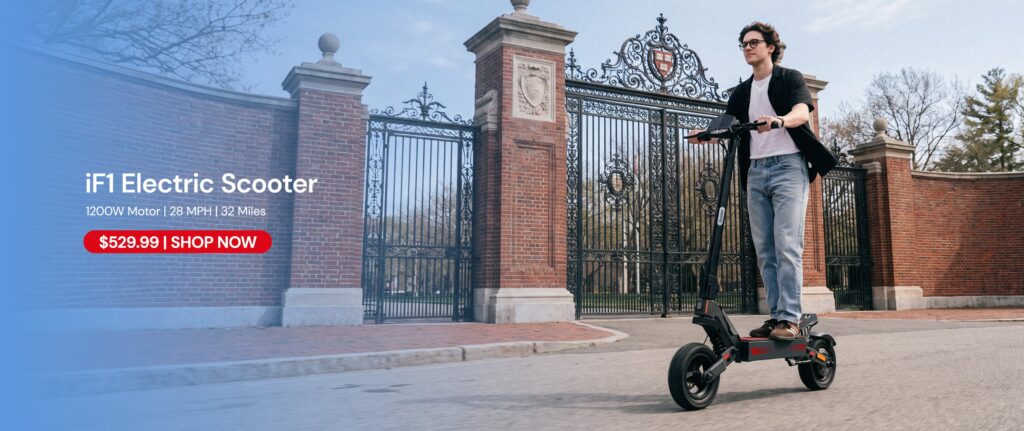
Speed management matters more on outdoor terrain than on city roads. Unexpected surface changes, including wet leaves, loose gravel or a sudden dip in a path, require faster reaction than a smooth tarmac road demands. Most quality electric scooters offer multiple speed modes, allowing riders to set a lower top speed when conditions call for caution and switch to a higher mode on sections they know well. This flexibility is not just a safety feature but a practical one lower speed modes also extend battery range significantly, which is useful on longer rides where the return trip needs to be factored in. Hydraulic or mechanical disc brakes, found on more capable models, provide shorter, more consistent stopping distances on all surfaces compared to drum brakes.
Build Quality for Regular Outdoor Use
A scooter used outdoors regularly faces conditions that indoor or mostly-urban use does not. Moisture from rain, mud from paths and temperature changes from season to season all stress materials and components over time. Frames should be made from aircraft-grade aluminium or reinforced steel, with waterproofing ratings that protect the motor and battery from rain exposure. IPX4 or higher water resistance ratings indicate a scooter that will survive a shower without internal damage. Sealed bearings in the wheels resist dirt infiltration that would otherwise cause premature wear. Checking these specifications before purchase is worth doing, particularly for riders who live in climates where dry weekends are not guaranteed. iScooter details these specifications on its product pages so riders can assess suitability for their specific conditions before committing to a purchase.
Routes and Locations That Suit All-Terrain Electric Scooters
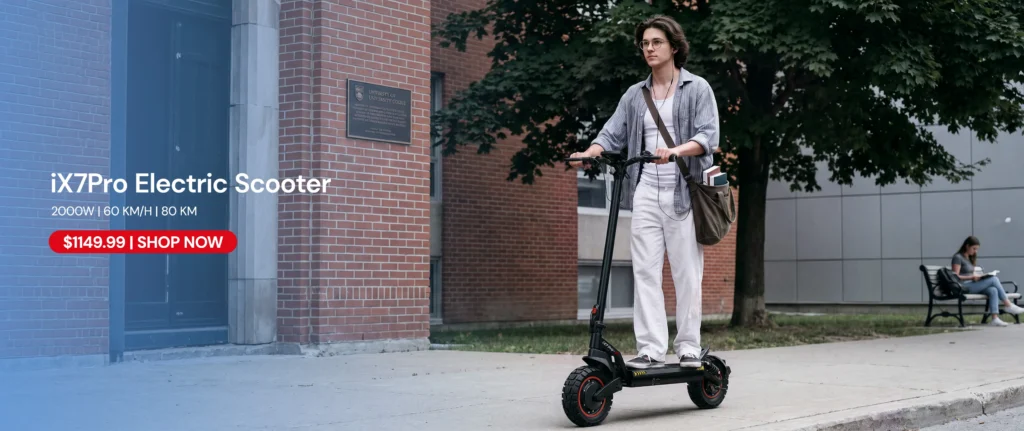
The range of terrain an all-terrain scooter opens up is broader than many riders initially expect. Shared-use cycling and walking paths in country parks handle well with wider tyres. Coastal paths with packed sand or gravel are accessible on a powerful scooter that would have struggled on a standard model. Towpaths beside rivers and canals, many of which are unpaved, are ideal for a relaxed outdoor ride. Forest roads and fire trails, where motor vehicle access is restricted, can be navigated legally on a personal electric scooter in most areas. Urban outskirts, where roads meet green space, become genuinely explorable. The machine expands what is reachable from home without needing a car to get there first.
What Outdoor Riders Look for When Buying
Riders who specifically buy for outdoor and recreational use tend to focus on a different set of priorities than commuters when evaluating models
- Tyre size of at least 10 inches with pneumatic construction for better shock absorption
- Dual suspension systems that handle both front and rear bumps effectively
- Motor power of 500W or above for handling inclines without motor strain
- A battery capacity that delivers genuine real-world range of at least 25km
- Disc brakes front and rear for reliable stopping on loose or wet surfaces
These priorities reflect what outdoor terrain actually demands, rather than what looks impressive in a product listing. A scooter that performs confidently on a rain-softened forest path is worth considerably more to a recreational rider than one optimised for a dry city centre. iScooter designs with these real-world demands in mind and riders who spend weekends exploring on two wheels will find models suited to exactly that purpose.
The right all-terrain scooter does not just expand where you can go, it changes how you think about what a weekend can look like.