
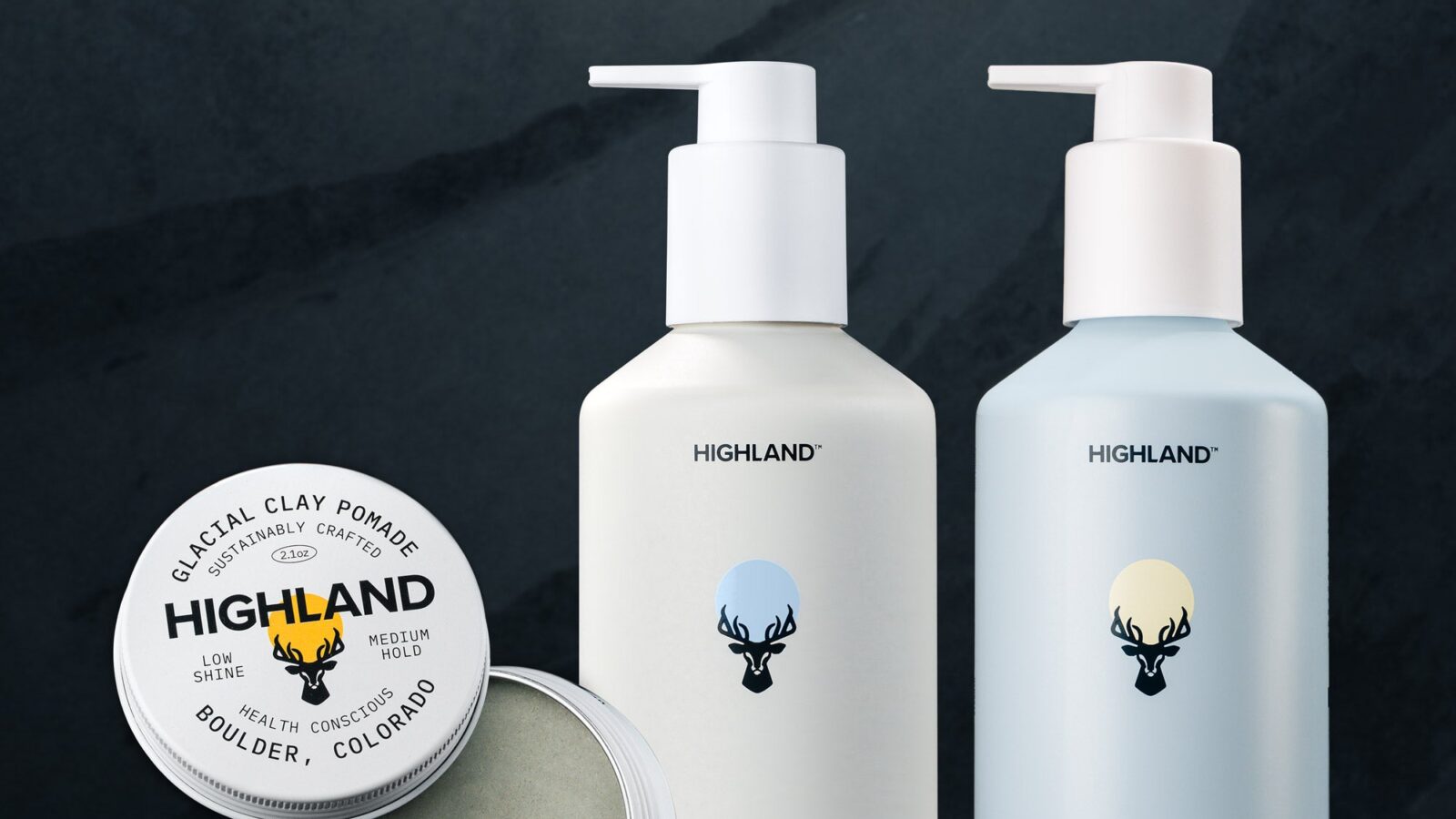
Personal style represents an authentic expression of individual identity, values and aesthetic preferences. Contemporary fashion increasingly demands balance between personal expression, ethical responsibility and practical wearability across diverse life contexts. Traditional fashion retail often forces false choices between aesthetic appeal and ethical production practices, between trendy designs and environmental responsibility, between contemporary style and genuine sustainability. Highland emerges as a fashion brand committed to challenging these false dichotomies by delivering contemporary, thoughtfully designed clothing that prioritizes ethical production and environmental responsibility alongside genuine style appeal. The brand philosophy centers on creating pieces that reflect your personal aesthetic while supporting your values regarding production ethics and environmental stewardship.
Contemporary Design Meeting Ethical Production
Historically, fashion brands positioned ethical production as a separate category commanding premium pricing and aesthetic compromise. Highland Modern approaches to sustainable fashion reject this false separation by integrating ethical considerations into core design and production processes. Fair labor practices, transparent supply chains and ethical manufacturing become standard expectations rather than premium differentiators. Contemporary designers create pieces genuinely compelling on aesthetic merit while maintaining commitment to ethical production. This integration demonstrates that ethical responsibility and style appeal represent compatible rather than competing priorities. Design quality, material thoughtfulness and construction integrity receive equal emphasis regardless of production location or labor practices, ensuring that ethical clothing matches traditional fashion in aesthetic sophistication.
Material Sustainability Without Compromising Quality
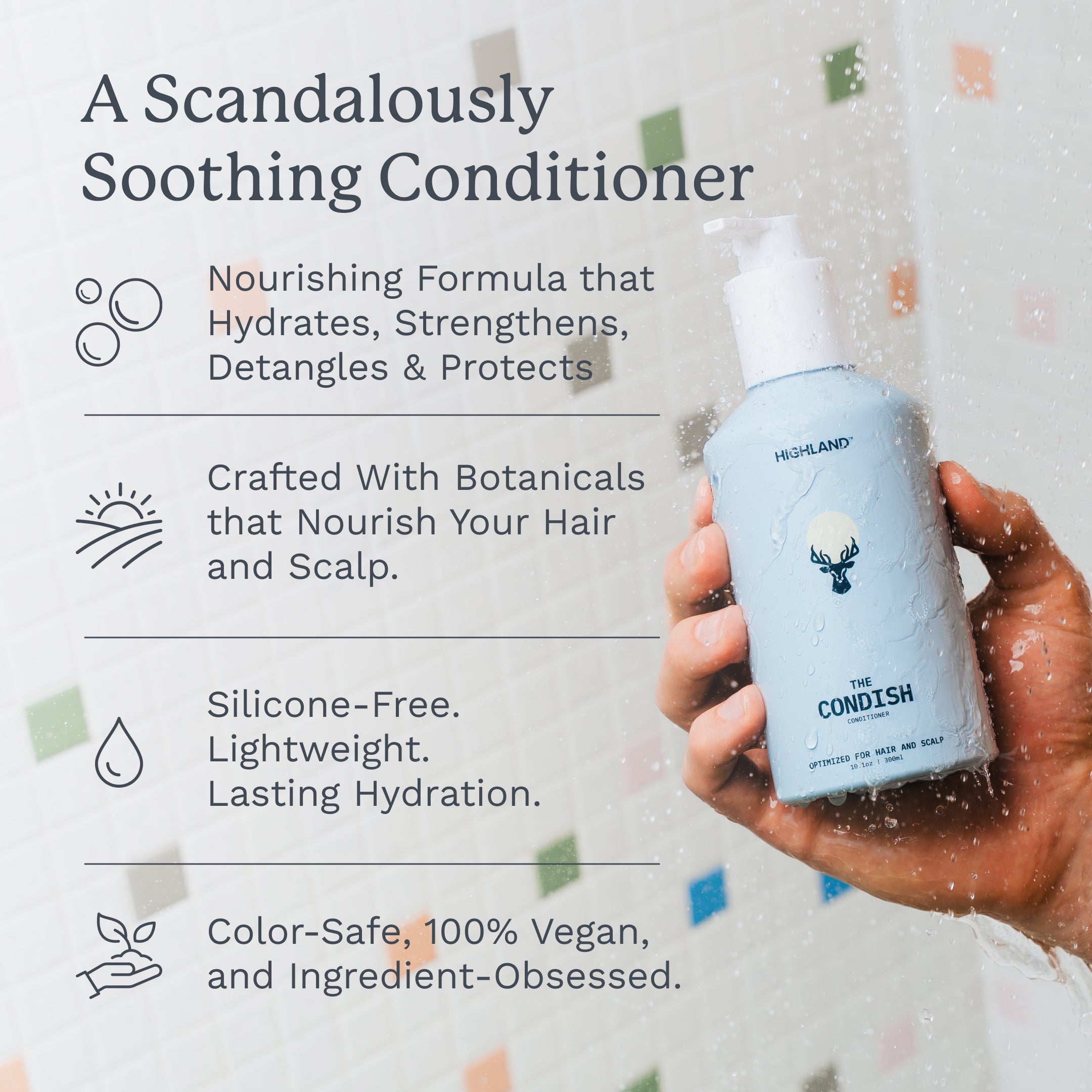
Environmental responsibility in fashion extends beyond feel-good marketing to encompass genuine material choices and production sustainability. Highland Sustainable fashion brands increasingly utilize natural fibers, recycled materials and innovative textiles reducing environmental impact while maintaining performance and durability standards. Organic cotton grows without synthetic pesticides. Recycled polyester gives purpose to materials that might otherwise contribute to landfill accumulation. Innovative bio-based fabrics derive from renewable sources while delivering functionality comparable to traditional synthetics. Material innovation continues expanding options for environmentally conscious choices without requiring aesthetic or performance compromises. Thoughtful material selection reflects commitment to environmental responsibility integrated throughout production rather than superficial sustainability claims disconnected from actual practices.
Timeless Design Transcending Seasonal Trends
The environmental cost of fast fashion extends beyond production to include massive consumption-driven waste as people discard clothing rendered obsolete by rapidly changing trends. Highland Sustainable fashion emphasizes timeless design principles that transcend seasonal trends, creating pieces remaining relevant and wearable for extended periods. Classic silhouettes, neutral color palettes and refined details create aesthetic sophistication persisting beyond fleeting trend cycles. Quality construction ensures physical durability supporting extended wear. The combination of timeless design and quality construction means pieces genuinely become wardrobe staples worn across multiple seasons and years rather than disposable fast fashion items discarded after brief use. This approach reduces overall consumption by creating garments people actually want to wear repeatedly rather than constantly replacing with new purchases.
Versatility and Combinatorial Design
Efficient wardrobes emphasize versatile pieces seamlessly combining across multiple outfits and occasions. Highland Thoughtful design prioritizes pieces that coordinate easily with existing wardrobe elements, work across casual and professional contexts and transition smoothly across seasons. Neutral color selections facilitate mixing and matching. Silhouette choices balance contemporary appeal with versatile wearability. This versatility means you need fewer total pieces to create numerous outfit combinations, reducing overall consumption and wardrobe waste. The strategic piece approach transforms fashion from consumption-driven accumulation into intentional curation of versatile items serving multiple purposes throughout your wardrobe rotation.
Transparency and Production Ethics Clarity
Genuine ethical commitment requires transparency regarding where, how and by whom clothing gets produced. Responsible brands maintain clear communication about production locations, labor practices and supply chain composition. This transparency enables informed purchasing decisions grounded in genuine information rather than marketing claims. Supply chain clarity reassures consumers that ethical commitments extend throughout production rather than applying only to final assembly. Worker story documentation, facility transparency and ongoing audit practices demonstrate commitment to ethical principles transcending surface-level marketing. This transparency reflects confidence in genuine ethical practices rather than defensive obscurity of problematic practices.
Building Intentional Wardrobes Through Strategic Selection
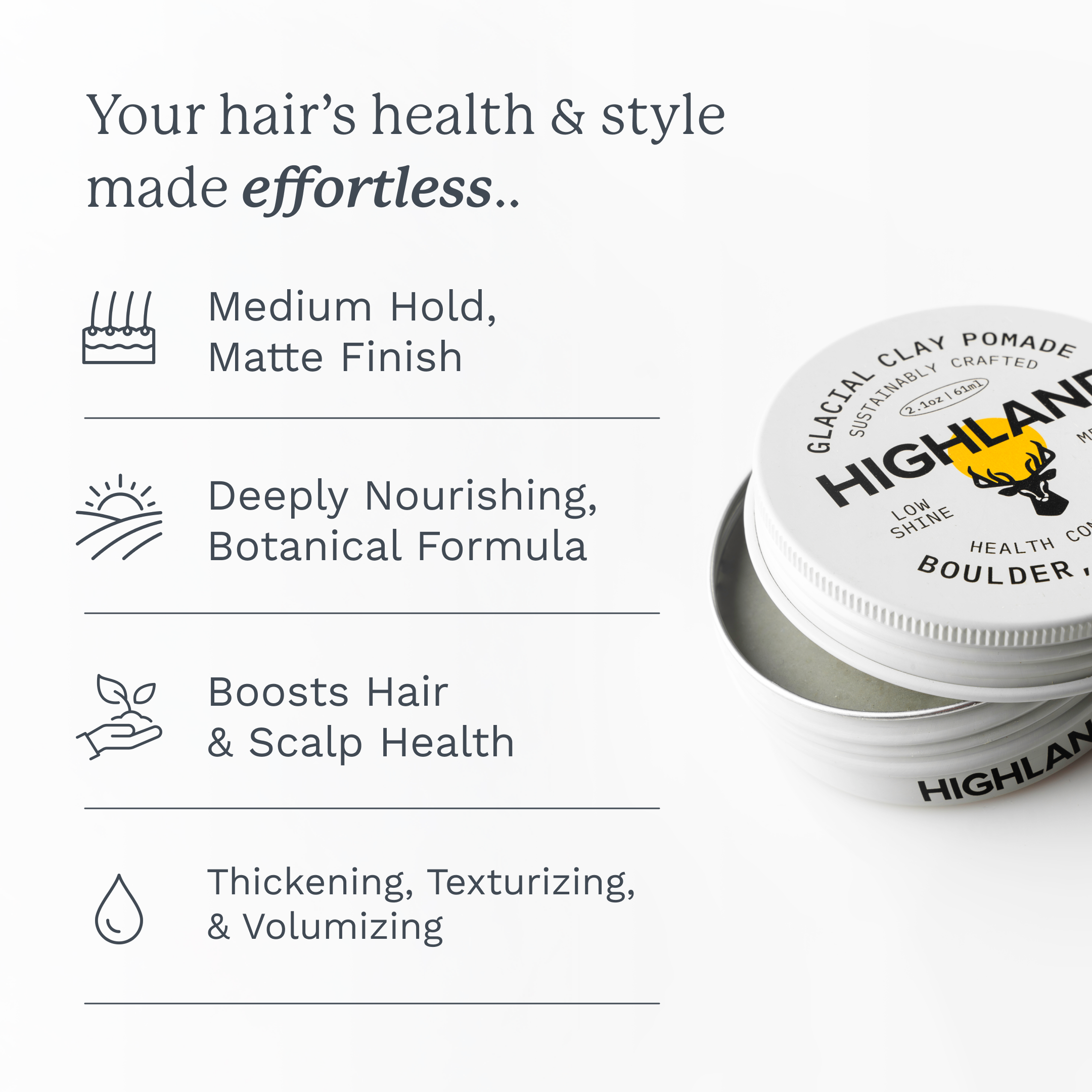
Sustainable fashion philosophy encourages thoughtful wardrobe building focused on pieces serving genuine needs and aesthetic preferences rather than impulse consumption. Intentional curation of versatile, timeless pieces creates wardrobes that serve you genuinely rather than accumulating unworn items. Each purchase receives consideration regarding how it integrates with existing pieces, its versatility across occasions and seasons and its longevity potential. This intentional approach often results in smaller wardrobes serving more purposes, reducing overall consumption and the environmental cost associated with clothing manufacture and distribution. The personal outcome combines with environmental benefit, creating wardrobes that feel more curated and authentic to individual style.
- Access contemporary design meeting authentic ethical production standards without forcing compromises between style and values
- Benefit from sustainable material choices including organic fibers and recycled fabrics maintaining performance and durability
- Invest in timeless design that transcends seasonal trends, creating pieces remaining relevant and wearable for extended periods
- Build efficient wardrobes emphasizing versatile pieces seamlessly combining across occasions, contexts and seasons
- Support transparent production practices with clear communication about supply chains, labor practices and ethical commitments
Personal style genuinely reflects your identity and values. Clothing choices offer meaningful opportunity to express both aesthetic preferences and ethical commitments through brands prioritizing design quality, environmental responsibility and transparent production practices.