
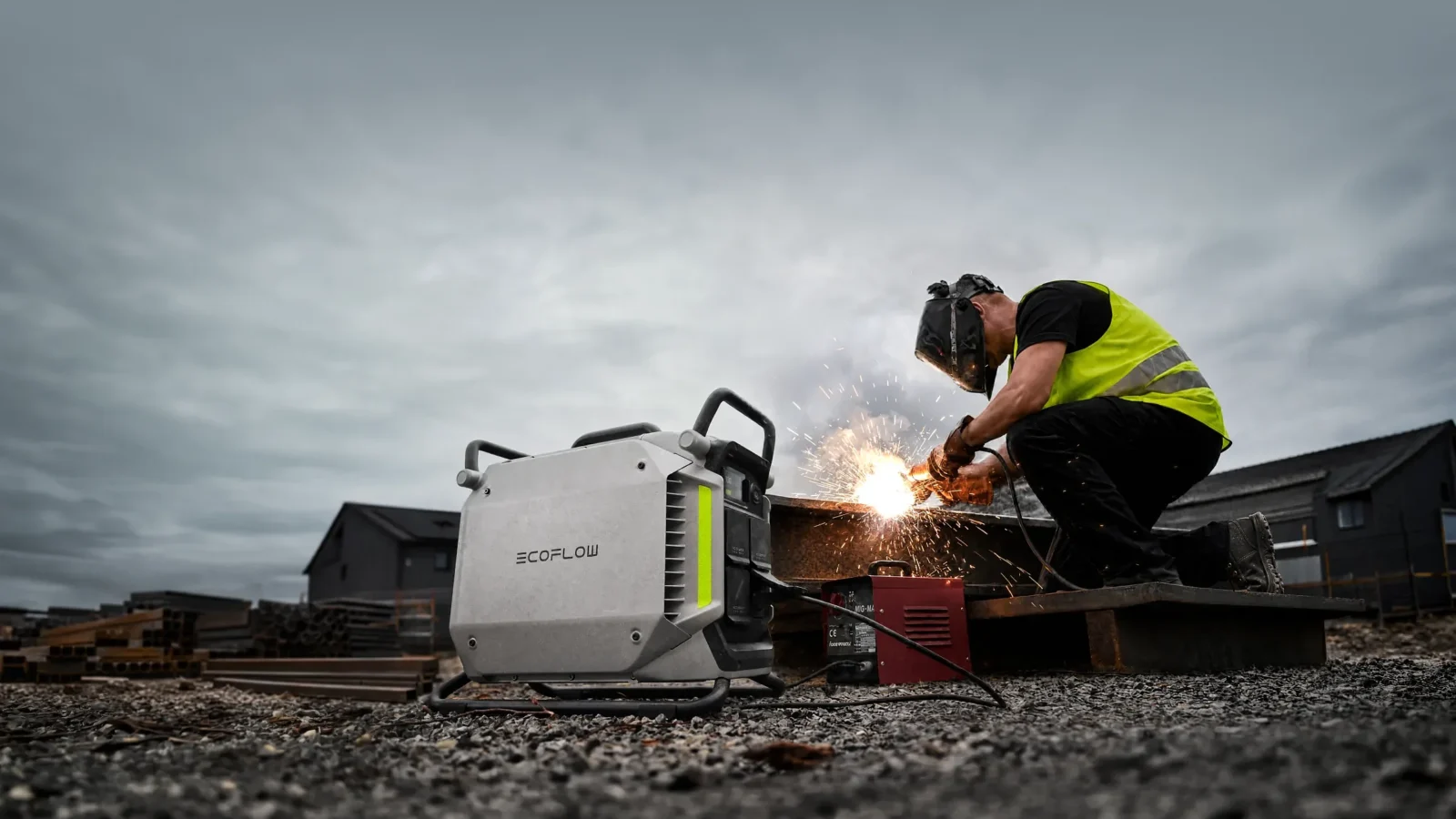
Power outages used to mean candles and waiting. Now they mean plugging into a power station sitting in the garage. The category of portable power, battery-based generators that charge from solar panels, wall outlets or car ports, has grown rapidly as both home backup and outdoor energy solutions have converged in the same hardware. ecoflow has become one of the most recognized names in this space, building power stations that range from compact units designed for camping to large home backup systems capable of running appliances through multi-day outages.
What Sets a Portable Power Station Apart From a Traditional Generator
Traditional generators run on gasoline or propane. They produce fumes, require outdoor use, need fuel storage and make substantial noise, all of which make them awkward for anything other than outdoor emergency use. A station is battery-based. It runs silently, produces no emissions and can be used indoors without ventilation concerns. The trade-off has historically been capacity a gasoline generator can run indefinitely as long as fuel is available, while a battery system has a fixed energy reserve. Modern portable power stations from brands like ecoflow have closed this gap significantly, offering LFP (lithium iron phosphate) battery chemistry that holds more energy, charges faster and tolerates thousands of charge cycles without significant degradation. Paired with solar panels, a large station can sustain a home’s essential loads through extended outages with no fuel dependency at all.
Capacity, Output and How to Read the Numbers
Power station specs involve three key numbers capacity in watt-hours (Wh), output wattage for AC outlets and peak surge wattage. Watt-hours determine how long the station can run a given load. A 1,000 Wh station can run a 100-watt load for roughly 10 hours or a 500-watt load for about 2 hours, losses from the inverter reduce this slightly in practice. AC output wattage determines what devices the station can power simultaneously and peak surge handles the momentary draw spike when motors start. A refrigerator rated at 150 watts may require a 600-watt surge at startup. Choosing a station with adequate peak capacity prevents tripped overloads when high-draw appliances cycle on. ecoflow publishes clear specs for each model and has built some stations with X-Boost technology that effectively handles high-wattage appliances by managing power delivery intelligently.
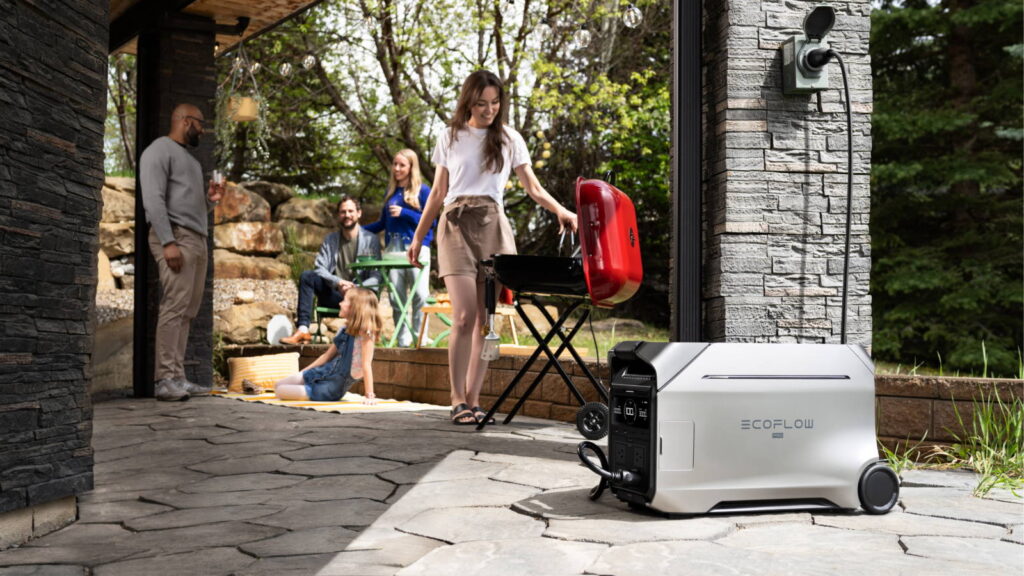
Solar Compatibility and Off-Grid Charging
The ability to charge from solar panels is what transforms a portable power station from an emergency reserve into a self-sustaining system. Solar charging requires matching the panel’s voltage and wattage output to the station’s solar input specs, exceeding either limit damages the battery management system, while under-speccing the panel array produces painfully slow charging. Most quality stations specify a maximum solar input wattage and a voltage range. Within those parameters, adding more panels reduces charge time proportionally. ecoflow manufactures compatible solar panels alongside its stations, which simplifies setup considerably. Bifacial panels, those that capture light from both front and rear surfaces, increase yield in partly cloudy conditions or when positioned to catch reflected light from nearby surfaces. For outdoor or off-grid applications, selecting matched panels from the same manufacturer removes a significant source of compatibility uncertainty.
Home Backup Scenarios and EPS Features
For home backup use, the most valuable technical feature is EPS, Emergency Power Supply, mode. EPS switches the station’s output on within milliseconds of a grid outage, which is fast enough that computers, medical devices and refrigerators don’t register the interruption. Standard UPS devices provide this function for individual electronics; home-scale stations with EPS can cover entire circuits when properly connected. Some ecoflow models support whole-home integration through a smart panel that manages circuit-level control, allowing the homeowner to prioritize which loads get power during an outage. This kind of granular management, run the fridge and the medical equipment, not the TV or the garage door, makes large capacity stations genuinely practical for household emergency preparedness rather than just novelty hardware.
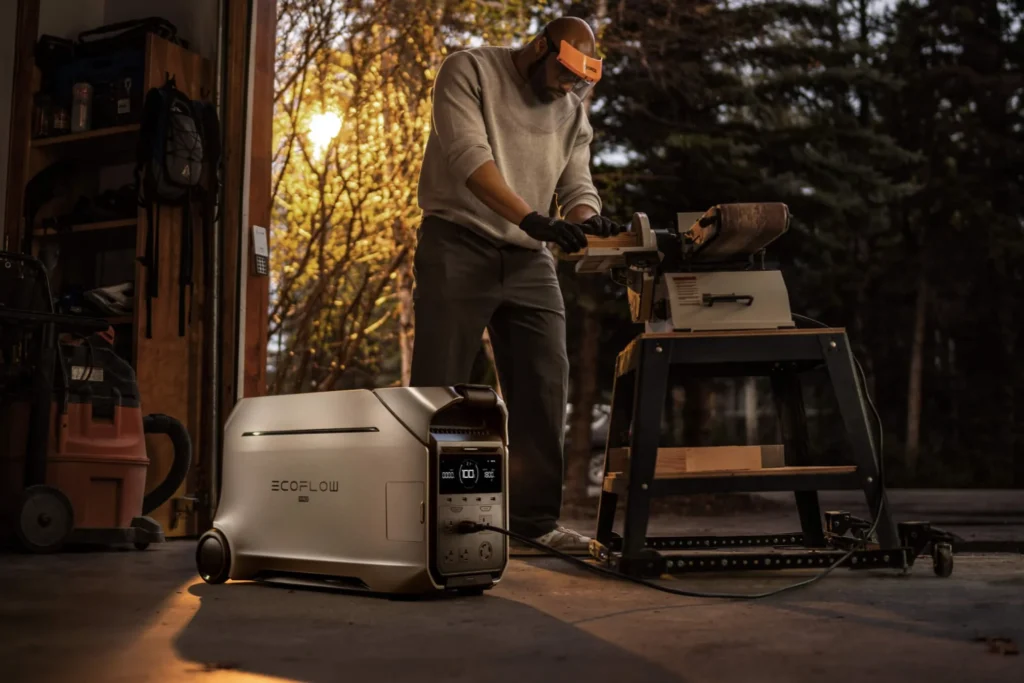
What to Check Before Buying a Portable Power Station
- Calculate your actual load before choosing capacity, add up the wattage of the devices you need to run and estimate run time to size correctly.
- Check peak surge specs against the startup draw of motors and compressors in your priority devices, especially refrigerators and power tools.
- LFP battery chemistry outlasts standard lithium-ion in cycle count, worth prioritizing for a station expected to last a decade.
- Fast charging is a meaningful differentiator, some stations recharge in under an hour from wall power, which matters during a brief grid window.
- Verify solar input compatibility before purchasing panels, especially third-party options, against the manufacturer’s stated voltage and wattage limits.
Portable power has moved from niche camping gear to practical home infrastructure. Whether the goal is outdoor adventure, off-grid living or emergency home backup, exploring the full range at ecoflow is a reasonable place to start when looking for a portable power station built with solar integration and fast charging at its core.