
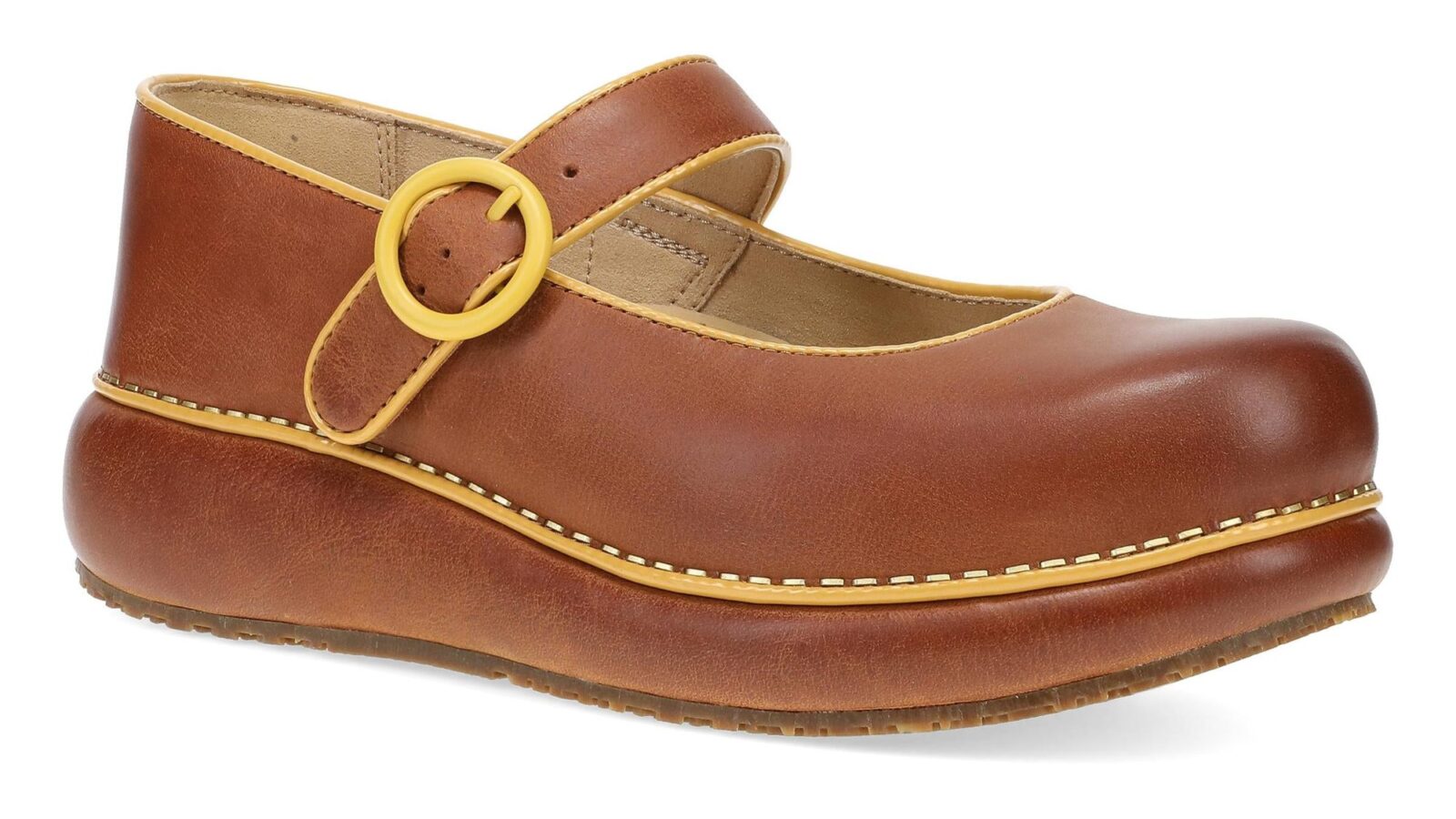
Clog-style shoes carry a reputation that rarely matches reality. Many people assume they are clunky, stiff, or only suited to kitchens and hospital floors, but a closer look at the construction tells a different story. This article works through several Dansko comfort footwear myths, examining what the clog silhouette actually offers in terms of support, traction, and range of use.
What Dansko Clogs Actually Are: Beyond the Stereotype
The clog shape has long been associated with rigid wooden shoes that look good but punish the feet by midday. Dansko builds its clogs around a different idea, pairing leather uppers with footbeds designed for sustained wear. The Professional clog, described by the brand as the silhouette that launched its comfort reputation, is offered in dozens of colors and finishes, from milled burnished leather to patent and tooled options.
That range matters because it challenges one of the more persistent Dansko comfort footwear myths, the idea that comfort-first shoes only come in one plain style. Snake prints, glitter finishes, and floral embroidery sit alongside classic neutrals in the same collection. The variety suggests the brand treats visual style and all-day wearability as compatible goals rather than a trade-off.
The Professional Clog: Why It Works for Healthcare and Hospitality
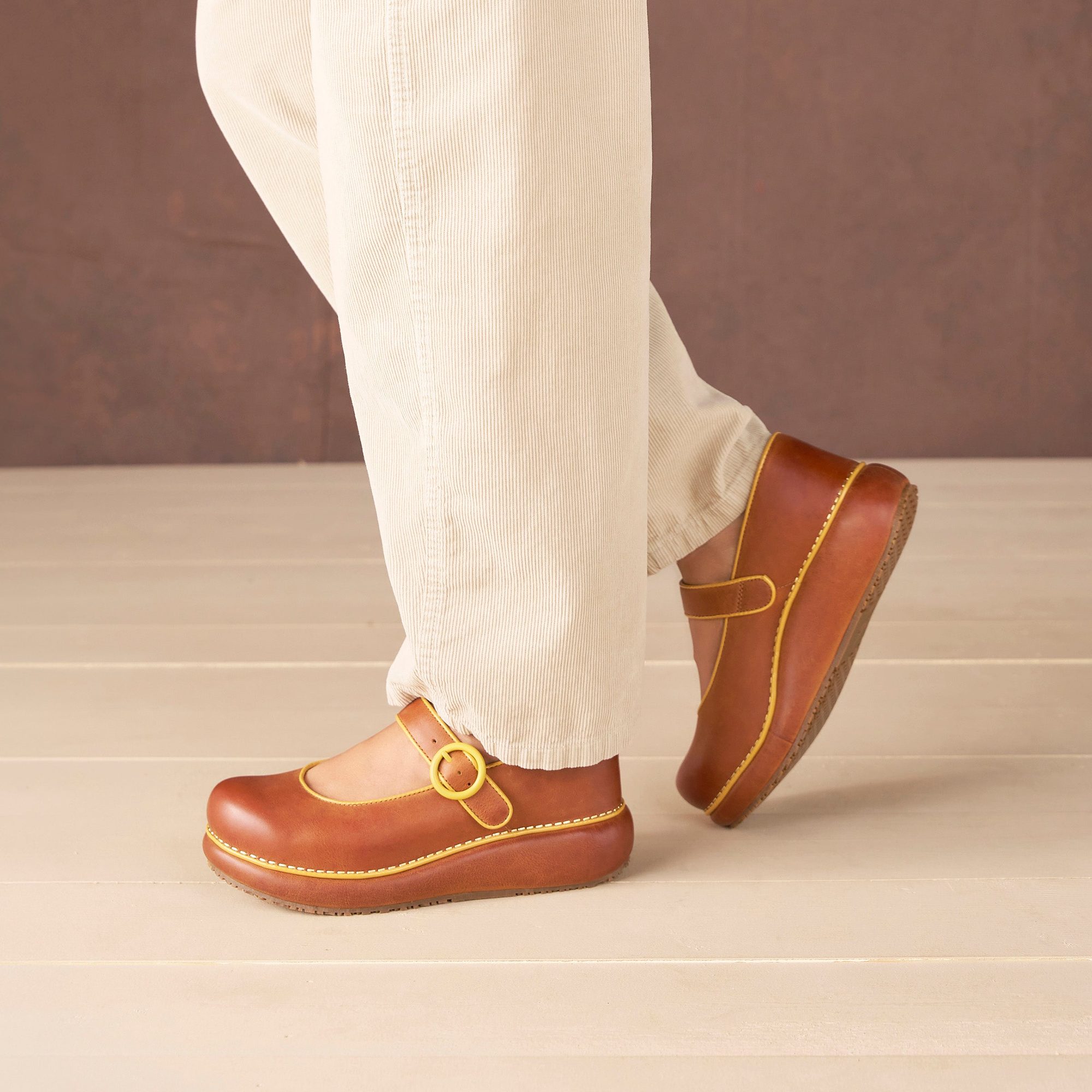
Healthcare workers and hospitality staff spend long shifts on hard floors, which is exactly the setting Dansko designs its Professional and XP 2.0 lines around. The brand describes the XP 2.0 Clog as built for roles requiring all-day comfort, combining durability with slip-resistant support for people on their feet through long shifts. That framing directly targets one of the common assumptions about clogs, namely that an open-backed shoe cannot hold up in a demanding work environment.
The Professional Clog in floral embroidered finishes is marketed the same way, pairing an artisanal upper with what the brand calls an all-day comfort essential. For buyers weighing whether a clog belongs in a clinical or restaurant setting, these product descriptions address the concern directly rather than leaving it to inference.
Wood Soles and Cork Construction: Durability Myths Debunked
Another belief worth examining is that wood or cork soles are fragile or purely decorative. The Ashland collection uses genuine, flame burnished wood soles paired with supple leather uppers, and the brand lists a rubber outsole for traction as part of that same construction. That combination of a wood sole with a grip-oriented outsole addresses the idea that wooden footwear sacrifices practicality for appearance.
Cork shows up elsewhere in the lineup as well. The Merrin mule, for instance, uses a midsole made with cork alongside leather uppers, while the Mae Mary Jane pairs lightweight EVA with cork soles for what the brand describes as versatile styling and durable wear. Across these product lines, cork and wood are treated as structural choices, not cosmetic ones.
Slip-Resistant Technology in the XP 2.0 and Professional Lines
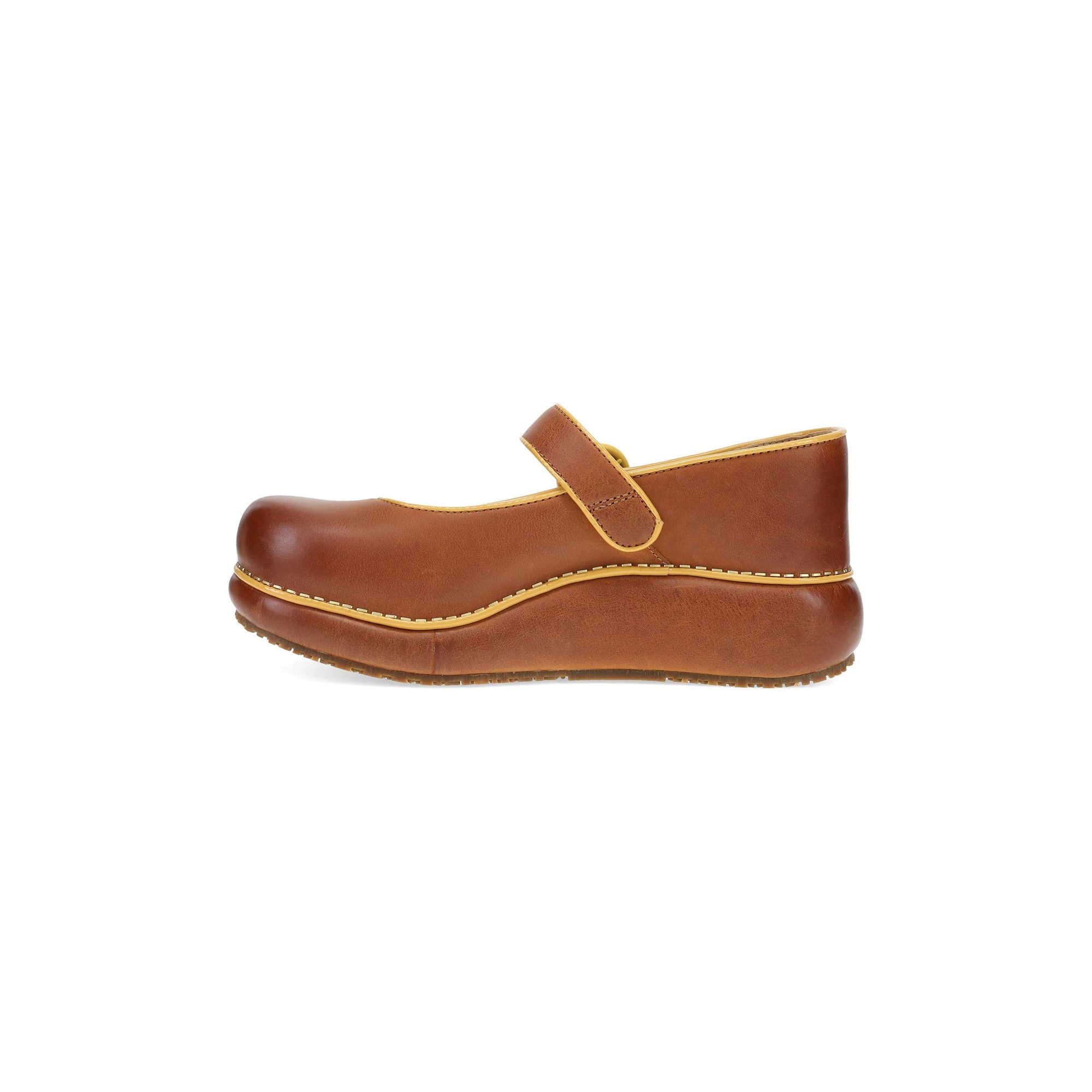
Slip resistance is one of the more concrete features It documents across its range. Several Professional and XP 2.0 styles carry a Slip Resistant label directly in the brand’s own product listings, signaling a sole built for traction on wet or slick surfaces. This matters for anyone evaluating Dansko comfort footwear myths around safety, since the assumption that a clog’s open heel makes it unstable overlooks the sole design itself.
Below are some of the common false beliefs that circulate around clog-style footwear, along with what the brand’s own product pages actually state.
- The belief that clogs lack ankle support ignores the structured heel cup built into the Professional silhouette.
- The assumption that slip-resistant soles only appear on basic work shoes overlooks that the XP 2.0 line pairs slip resistance with embroidered and glitter finishes.
- The idea that wood and cork soles are purely decorative does not match the rubber outsole traction described in the Ashland collection.
- The notion that comfort shoes cannot be styled for casual settings is contradicted by sport clog styles built for commuting, errands, and travel.
- The claim that all clogs look identical overlooks the range of finishes, from snake print to tooled leather to floral embroidery, across a single clog silhouette.
Versatility Beyond Work: Styling Dansko Shoes for Everyday Wear
Dansko‘s sport clog category is pitched directly at life outside a shift. The brand describes these styles as combining the slip-on convenience of a clog with athletic-inspired comfort features, aimed at commuting, running errands, traveling, or a busy weekend. That description pushes back on the idea that comfort footwear belongs only in a professional setting.
The Leandra clog, sold through the brand’s outlet collection, is described as a walkable heel that moves from denim days to dressy evenings and every errand in between. Styles like this suggest the brand positions clogs and mules as everyday footwear rather than single-purpose work shoes, a point that further complicates the narrower stereotype.
Memory Foam and Footbed Support: Understanding the Comfort Features
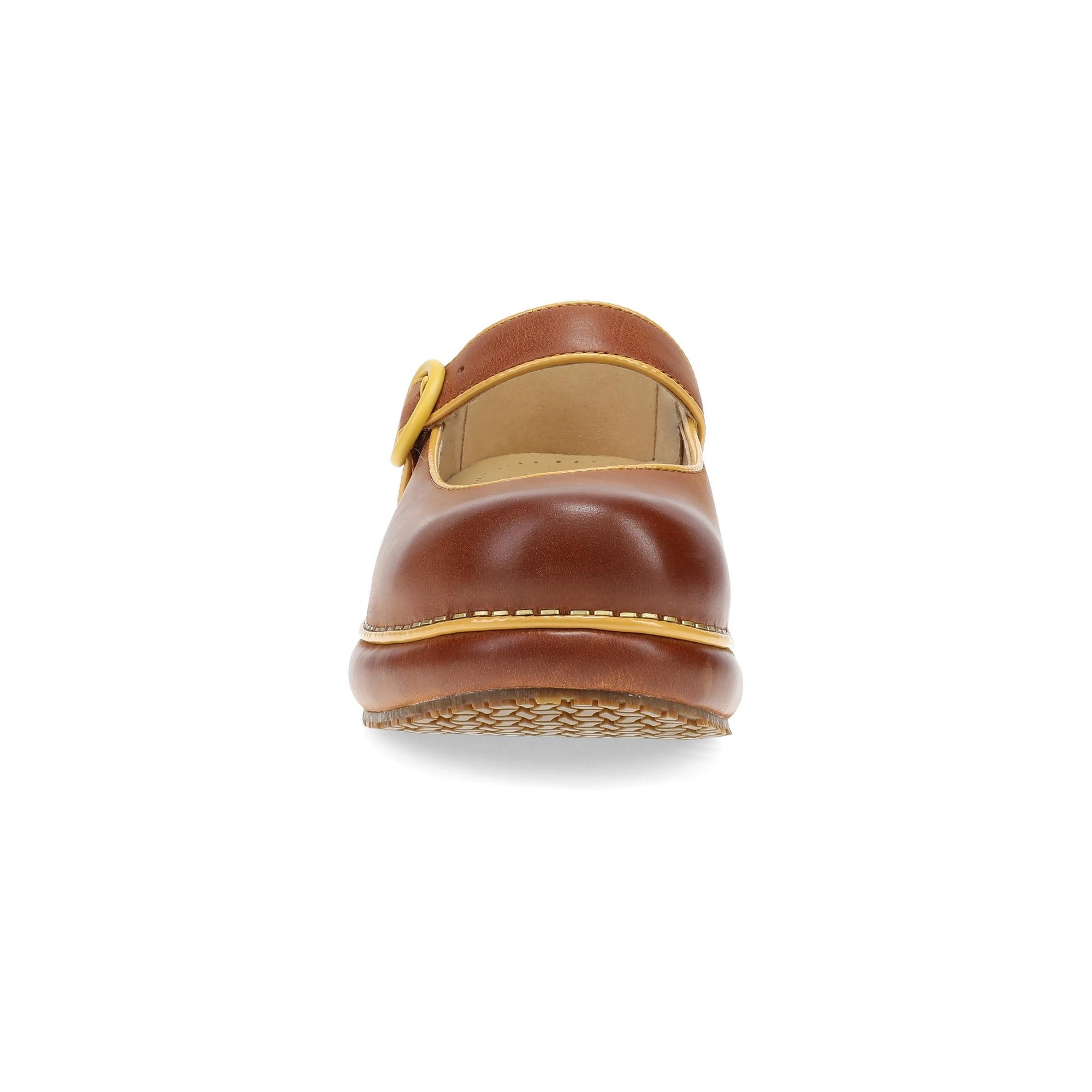
Several Dansko styles reference memory foam directly in their product descriptions. The Kennedy Mary Jane is described as having memory foam cushioning underfoot that delivers added comfort for everyday wear, while the Ashland wooden clogs list a memory foam-topped footbed as one of their defining features. The Asher clog mule goes further, combining a handcrafted wood sole with what the brand calls a surprisingly cushioned footbed for all-day wearability.
These details matter because they move the conversation from marketing language to specific construction choices named by the brand itself. Rather than treating comfort as a vague promise, the product pages tie it to a named cushioning material and a described sole structure. That specificity is part of what separates fact from assumption in the broader discussion of Dansko comfort footwear myths.
Closing Thought
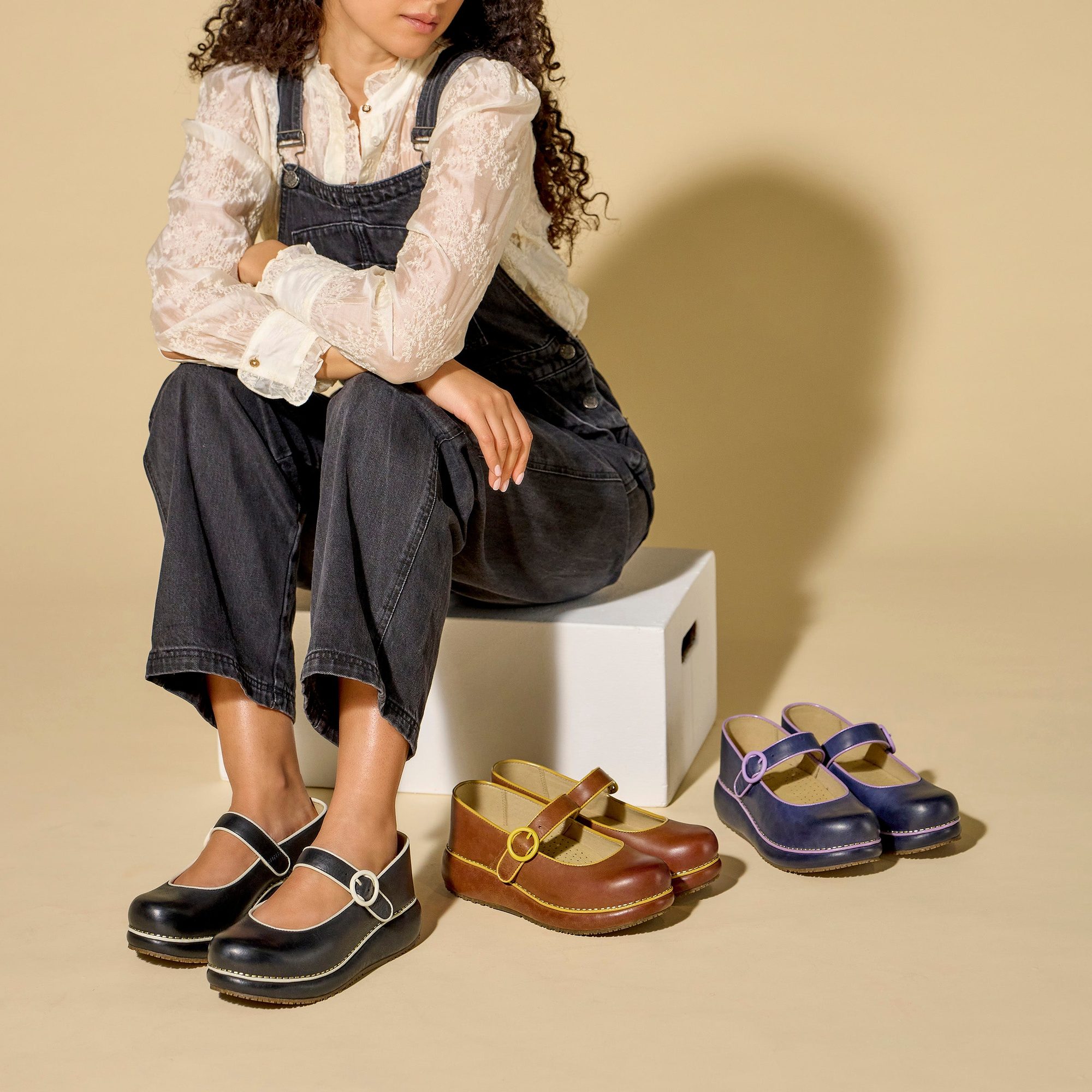
Clog-style shoes continue to carry outdated assumptions, but the construction details tell a more nuanced story. Looking past the stereotype reveals footwear built with specific materials and traction features in mind.