
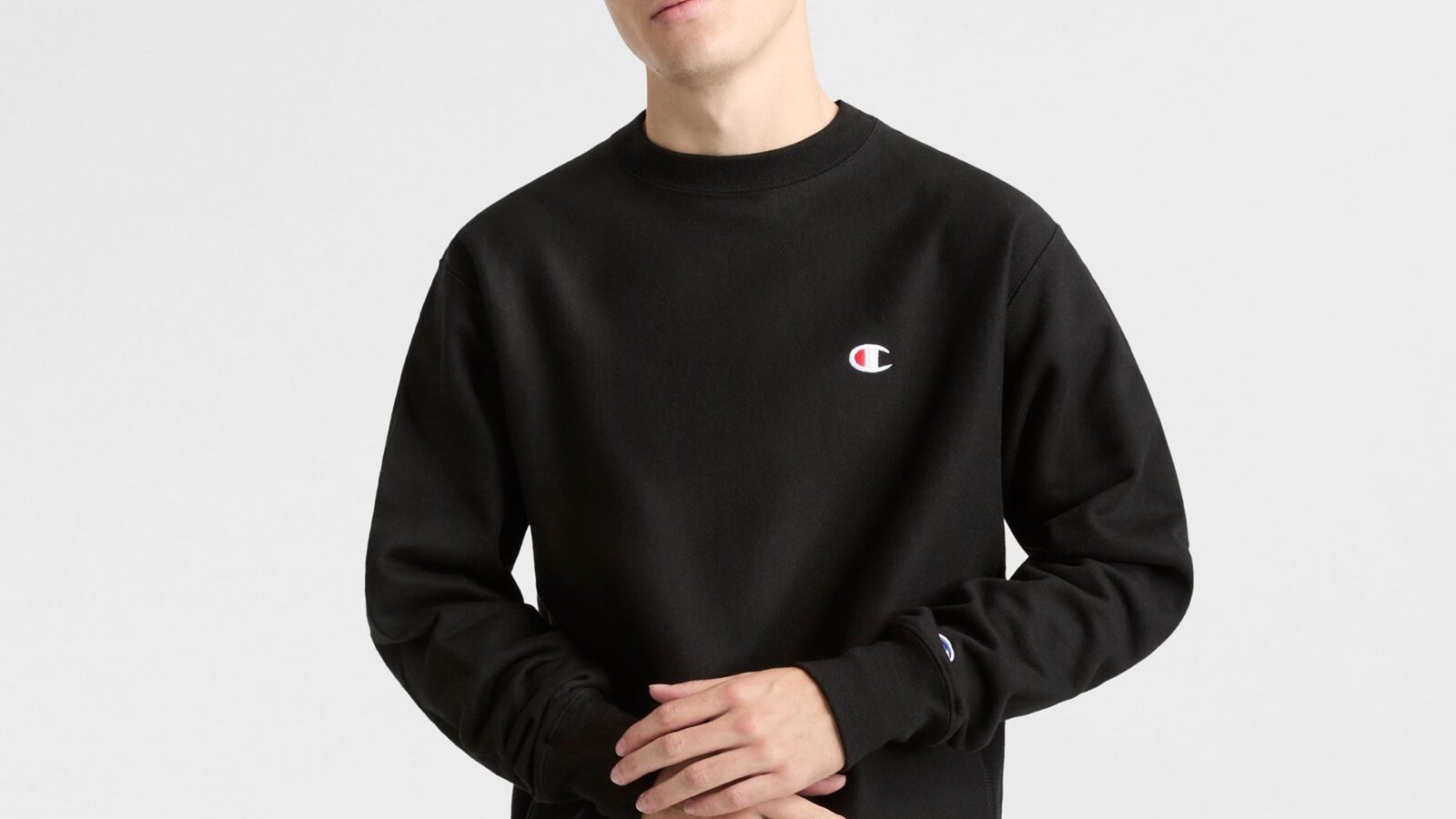
Shopping for a sweatshirt or hoodie sounds simple until fleece types, fit names, and care labels all promise something different. That confusion is exactly where Champion sweatshirts mistakes tend to begin, since buyers often pick a style based on logo placement alone rather than construction. Overlooking fabric weight, cut, and finish leads to garments that disappoint after only a few washes. Clearing up a handful of misconceptions about construction and care makes the difference between a piece that lasts and one that does not.
Confusing Powerblend with Reverse Weave: What’s the Real Difference
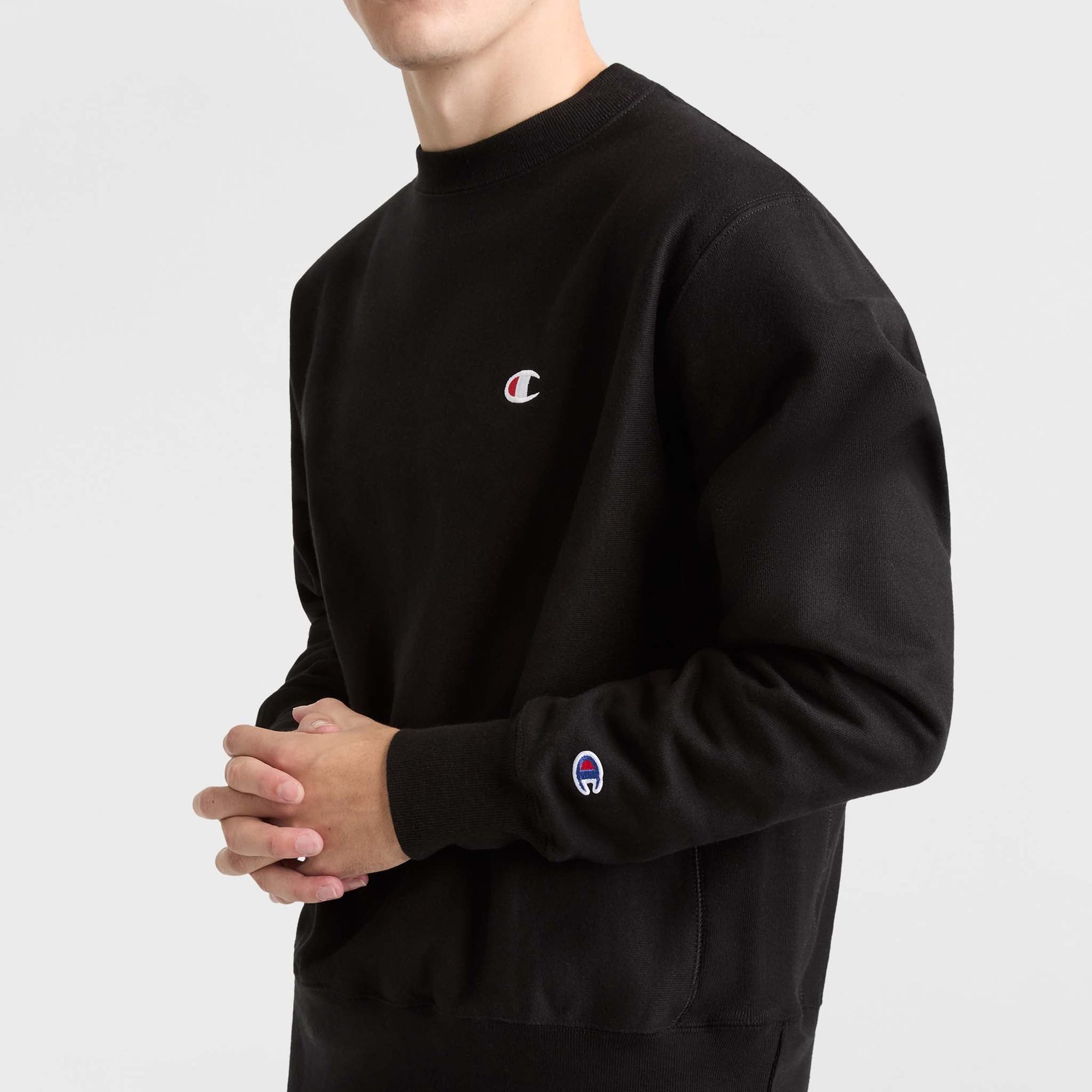
Powerblend and Reverse Weave are often treated as interchangeable names for the same fabric, but they describe different approaches entirely. Champion‘s Powerblend fleece, as seen in the Powerblend Crewneck Sweatshirt, uses a midweight 9 oz. cotton-blend construction with a brushed interior built to reduce pilling and shrinkage. Reverse Weave pieces instead use a heavyweight fleece cut on the cross-grain specifically to limit lengthwise shrinkage, a method tied to the Reverse Weave Crewneck Sweatshirt with C Logo. Mixing up the two leads to mismatched expectations, since one leans toward an everyday midweight feel and the other toward a heavier, archive-inspired build.
Shrinkage Myths Around Champion Sweatshirts and Hoodies
A persistent myth holds that all cotton-blend sweatshirts shrink the same way regardless of construction. That assumption is one of the more common Champion sweatshirts mistakes, because the cross-grain cutting method used in Reverse Weave pieces exists precisely to handle lengthwise shrinkage differently than a standard garment would. Powerblend pieces address a related but separate concern, with cotton-blend fabrication aimed at reducing both pilling and shrinkage over time. Treating every fleece sweatshirt as equally prone to shrinking overlooks these construction differences entirely.
Mistaking Relaxed Fit for Oversized: How Champion’s Silhouettes Actually Differ
Relaxed fit and oversized often get used as synonyms, yet they describe different silhouettes. The Men’s Hooded Sweatshirt Relax Fit, for example, carries a Relax Core fit rather than an oversized cut, built from heavyweight 470 g/m² fleece with a drawcord hood and kangaroo pocket. The Relaxed Fit Crewneck Sweatshirt carries that same Relax Core label as part of the Index & Archives capsule, an archive-inspired line within the range, finished with a ribbed neckline and rinse-wash garment dye. Assuming relaxed automatically means boxy and oversized is an easy sizing error, and it can lead to picking a size that does not suit the intended shape.
The Brushed Interior Advantage That Most Buyers Overlook
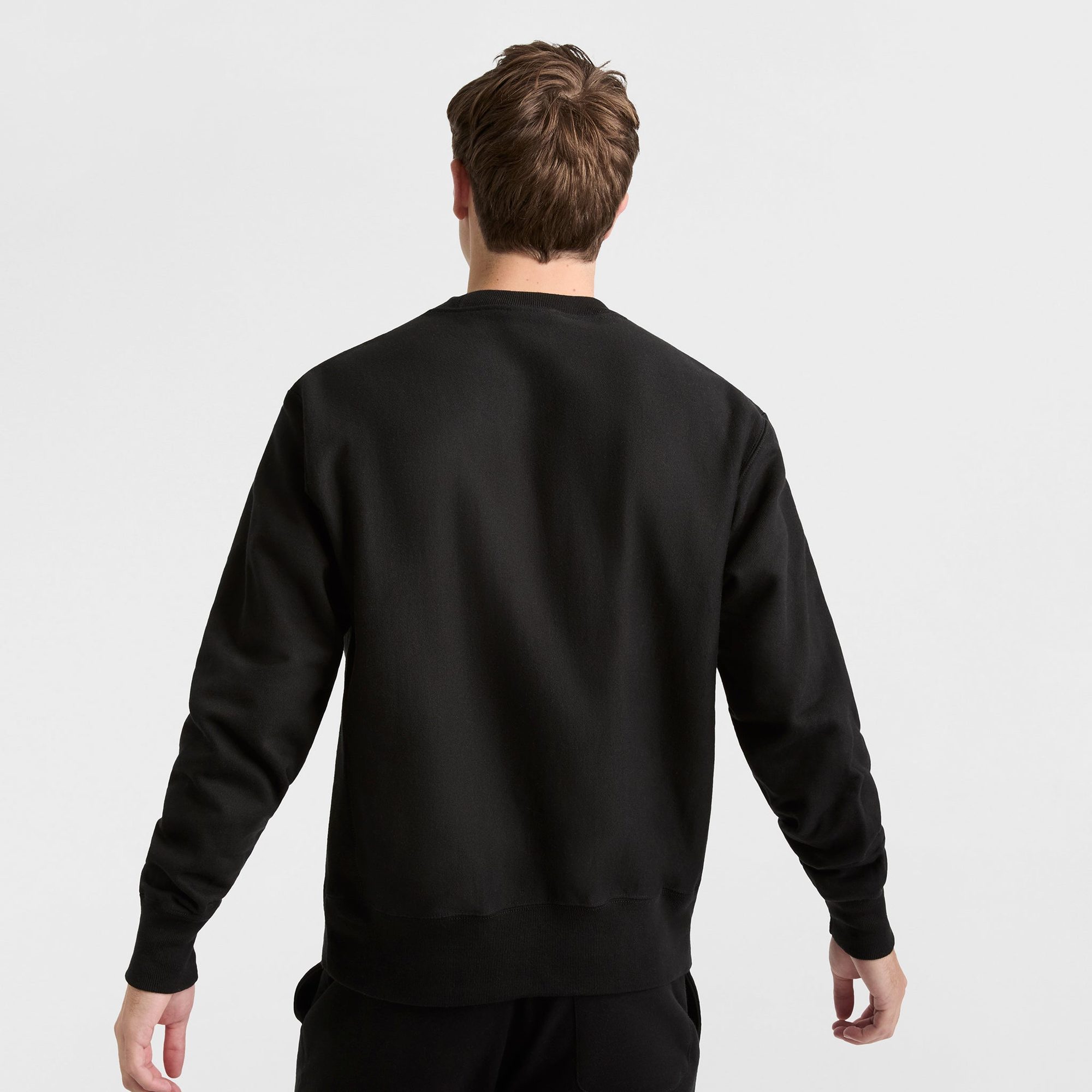
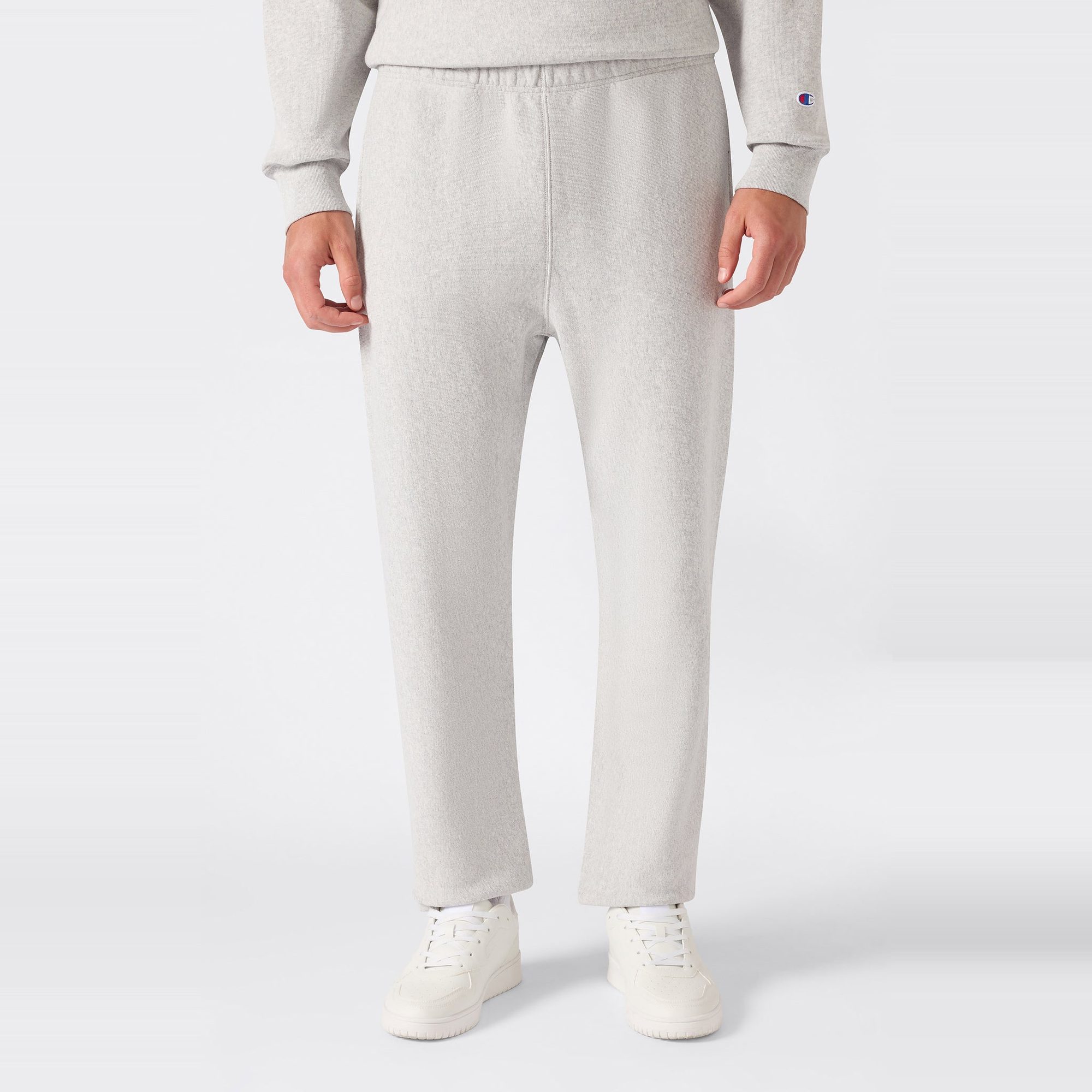
Brushed interiors show up across multiple product lines, yet they rarely come up when buyers compare sweatshirts. The Reverse Weave Crewneck Sweatshirt lists a brushed interior as part of what keeps it soft and warm, and the Powerblend Hoodie with Tonal Script Logo cites the same feature for warmth without added bulk. Powerblend Open-Hem Sweatpants also use a cotton blend brushed on the interior, which shows the detail extends beyond sweatshirts into other fleece pieces. Overlooking this detail means missing one of the more consistent construction choices across the Champion range, since it appears in both heavyweight and midweight fleece.
Why Fabric Weight and Fleece Density Matter More Than You Think
Fabric weight is stated in concrete terms across the product listings, and those figures are not interchangeable between lines. The Mineral Wash Pullover Hoodie and the Mineral Wash Open Hem Pants are built from lightweight cotton-poly fleece, a noticeably different category from the heavyweight and midweight pieces already described, and that lighter construction carries a distinct mineral wash finish instead of a brushed interior focus. The Men’s Hoodies & Sweatshirts collection lists 105 products spanning these different weights, logos, and performance options, which is part of why fabric labels vary so widely from one hoodie to the next. Ignoring these stated weights and densities is one of the quieter Champion sweatshirts mistakes, since a lightweight mineral wash piece and a heavyweight piece serve different purposes by construction alone.
Caring for Champion Pieces: What the Fabric Composition Actually Requires
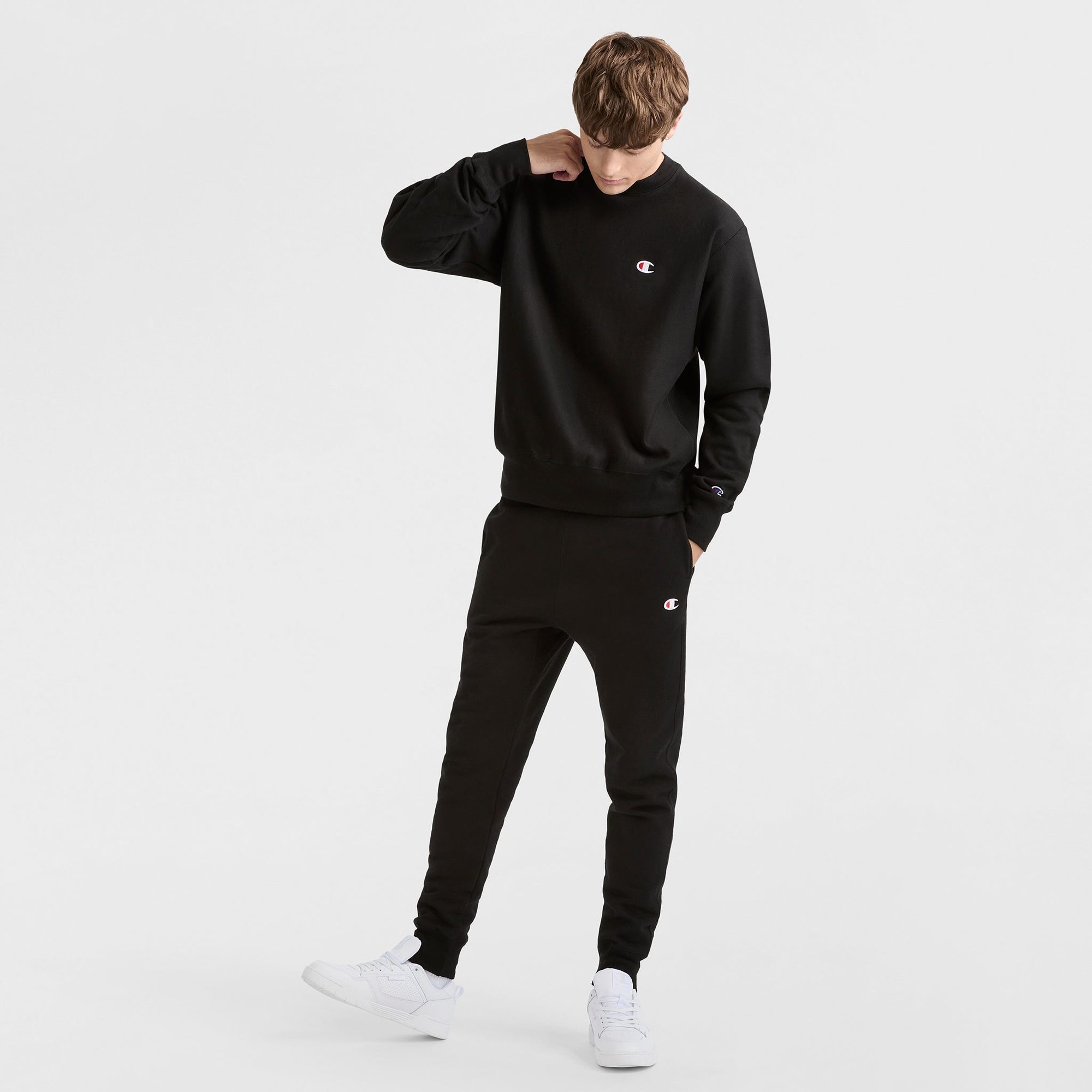
Care requirements follow directly from fabric composition, and cotton-blend fleece behaves differently than lightweight cotton-poly fleece. Product pages repeatedly tie specific finishes, like the mineral wash treatment on the Mineral Wash Open Hem Pants, to a distinct worn-in look that laundering habits can affect over time. Because heavyweight and lightweight fleece pieces are built differently, treating every piece with identical washing habits ignores what each fabric composition was designed around. The list below covers frequent mistakes in washing and storing fleece sweatshirts and hoodies.
- Washing heavyweight Reverse Weave fleece on hot cycles ignores the cross-grain construction meant to limit lengthwise shrinkage.
- Tumble drying on high heat repeatedly stresses the brushed interior found across Powerblend and Reverse Weave pieces alike.
- Storing lightweight cotton-poly fleece, like that used in mineral wash pullovers, folded under heavier garments can flatten its distinct wash finish.
- Ignoring garment dye or rinse-wash finishes, such as those on the Relaxed Fit Crewneck Sweatshirt, can dull the intended tone faster than expected.
- Mixing heavyweight fleece with lighter midweight pieces in the same wash load treats two different fabric densities as if they required identical handling.
None of these habits cause damage on their own, but together they explain why two garments of the same hoodie style can end up with very different results after repeated washes. Reading the specific fabric weight and finish listed for a given piece, rather than assuming a single care routine fits everything, keeps that gap from forming in the first place. Avoiding these Champion sweatshirts mistakes comes down to reading the fabric and fit details already listed on each product page.
Fabric weight, fit names, and care labels each tell a separate part of the same story.