
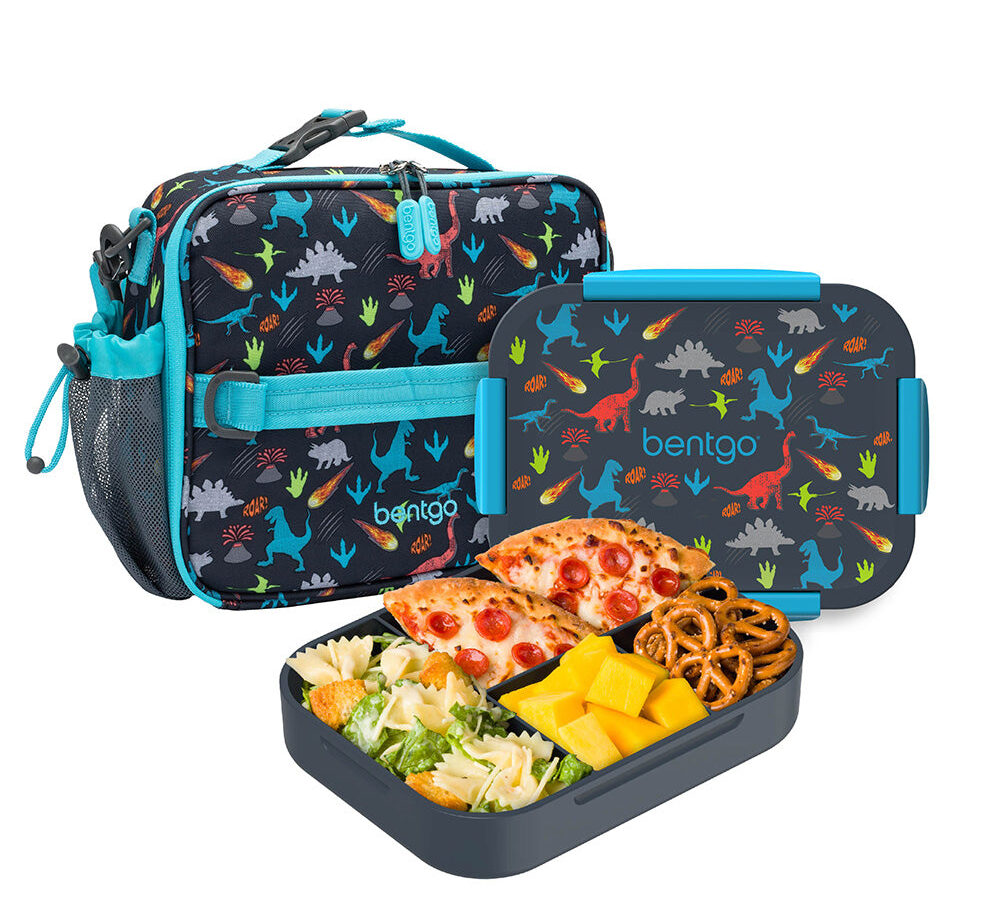
Many packed lunches arrive warm, soggy, or half-spilled for reasons that have little to do with the container itself. A handful of persistent bento lunch box myths about insulation, compartments, and seals shape how people actually use these products, and most of those assumptions do not hold up once the real design features are examined. Clearing them up shows what a compartmented lunch box can realistically deliver, and where Bentgo‘s product lines fit into that picture.
Myth: Built-In Ice Packs Like Bentgo Chill Work Without Freezing Overnight
A common assumption is that a built-in ice pack cools food automatically, no prep required. That is not how the Bentgo Chill Kids Lunch Box or the Bentgo Chill Mini actually function. Both feature a removable ice pack that needs a full freeze overnight before it chills food for hours the next day.
Skipping that overnight freeze leaves the pack at room temperature by lunchtime, which is exactly why this particular bento lunch box myth produces so many warm midday meals. The fix is straightforward: freeze the pack, slide it under the tray, and the lunch box is ready to pack. Because the pack is removable, it can also be swapped between the Chill Kids Lunch Box and the Chill Mini depending on which one is in use that day.
Myth: All Bentgo Compartments Are Equally Suitable for Different Food Types
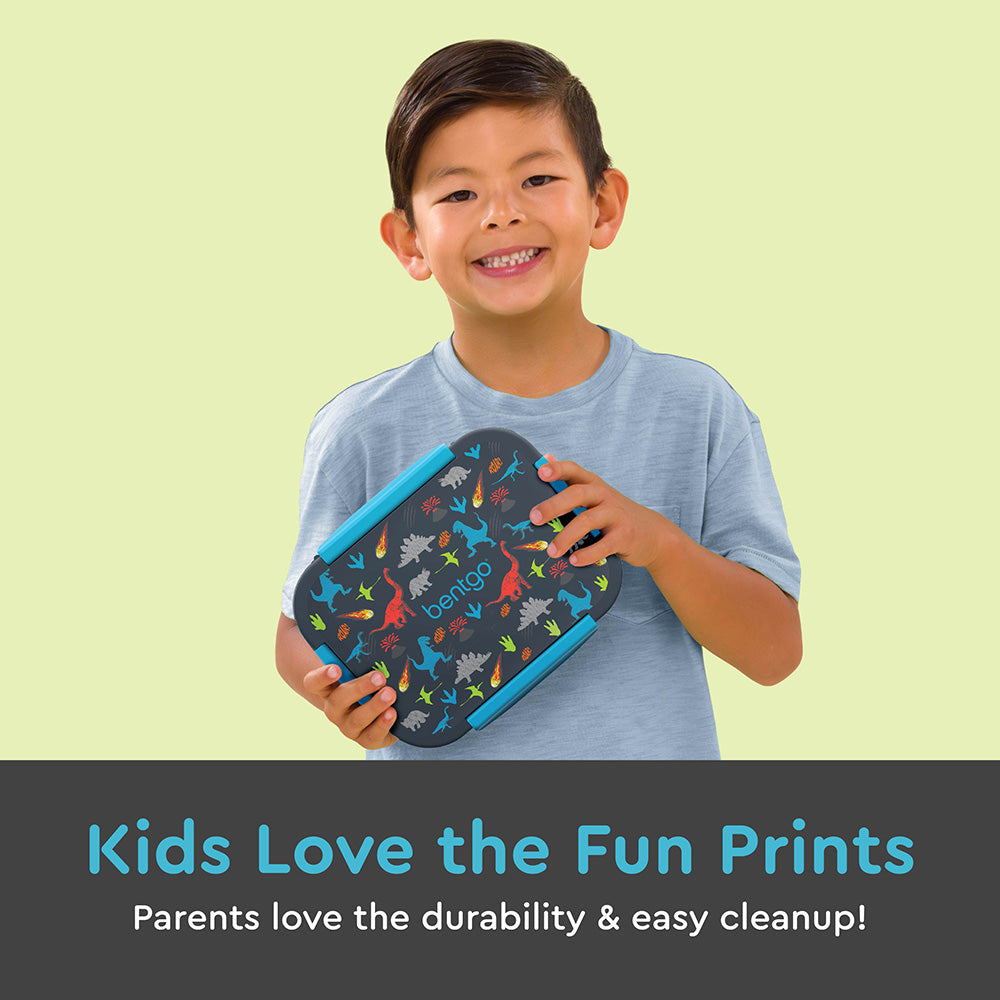
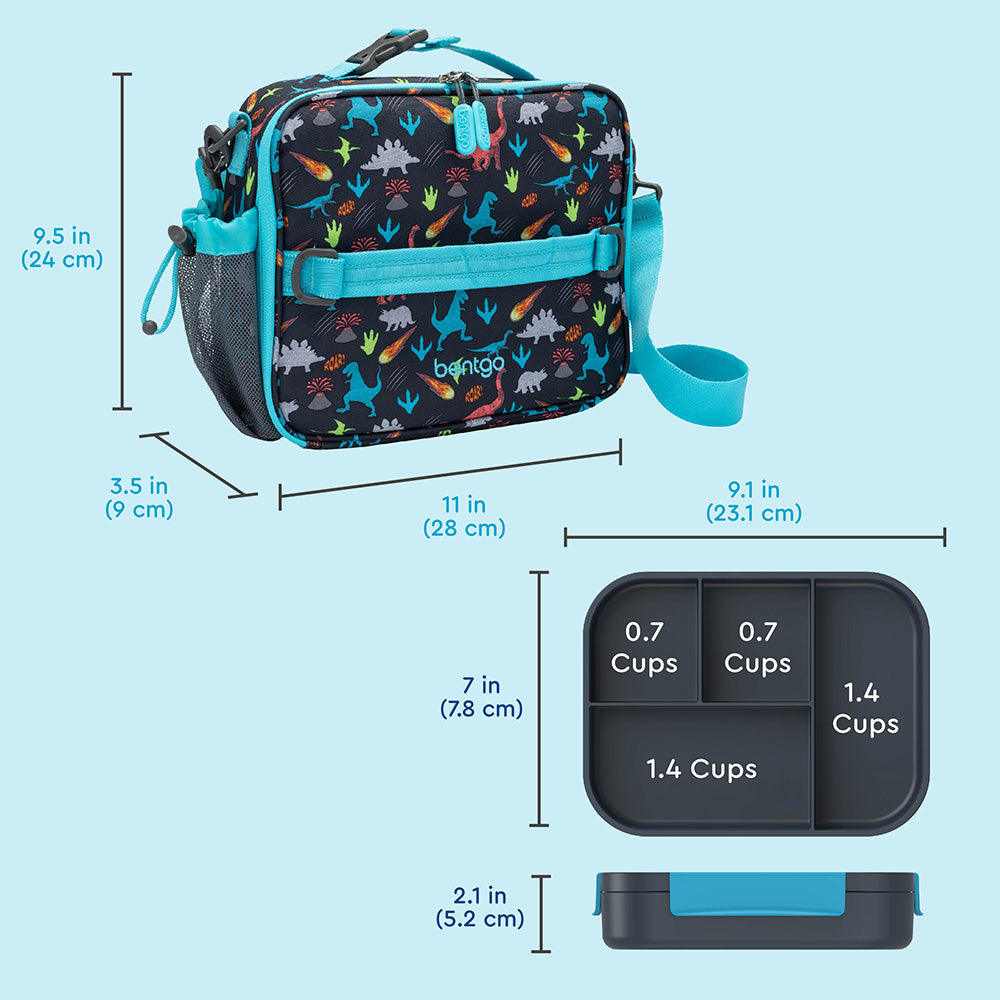
Compartmented trays are often treated as interchangeable, as if any section can hold any food without consequence. In practice, compartment size and shape are built for different items. A Bentgo Kids Snap & Go tray, for example, holds notably more food than other It Kids lunch boxes, which changes how portions should be distributed across its sections.
Saucy or liquid-heavy meals also behave differently than dry snacks once placed in a shallow compartment. That is one reason Bentgo offers dedicated food jars alongside its trays, rather than asking every tray section to handle every texture. Assuming uniform compartments across all food types is one of the more overlooked bento lunch box myths worth retiring.
Myth: Bentgo Stainless Steel and Plastic Containers Require Identical Care
Material differences matter more than many people expect. The Bentgo Stainless Steel Lunch Box uses a premium 18/8 stainless steel tray that is top-rack dishwasher safe, which simplifies cleanup considerably. Plastic trays in other lines, including the Easyboxes 3-Compartment Food Containers, are made with BPA-free materials but do not necessarily share the exact same care instructions as steel.
Treating every material the same, regardless of what the product listing specifies, is a shortcut that can shorten a container’s usable life. Reading the care notes attached to each specific product line avoids this mix-up entirely.
What Bentgo’s Bento-Style Design Actually Does and Doesn’t Prevent
The bento-style tray format, used across the Modern, Kids, and several other lines, is built around portion-control compartments rather than a single open container. This layout helps separate foods and adjust meal prep to individual portion needs. However, a compartmented tray on its own does not guarantee temperature control unless paired with a feature like the Chill line’s ice pack.
It is worth separating what the tray shape does, which is organize and divide food, from what insulation and seals do, which is manage temperature and leaks. Confusing the two is at the root of several bento lunch box myths circulating among parents and office workers alike. A tray can be leak-resistant and still arrive at room temperature if it lacks a dedicated cooling element.
Common Seal and Leak-Proof Failures in Bentgo Lunch Boxes
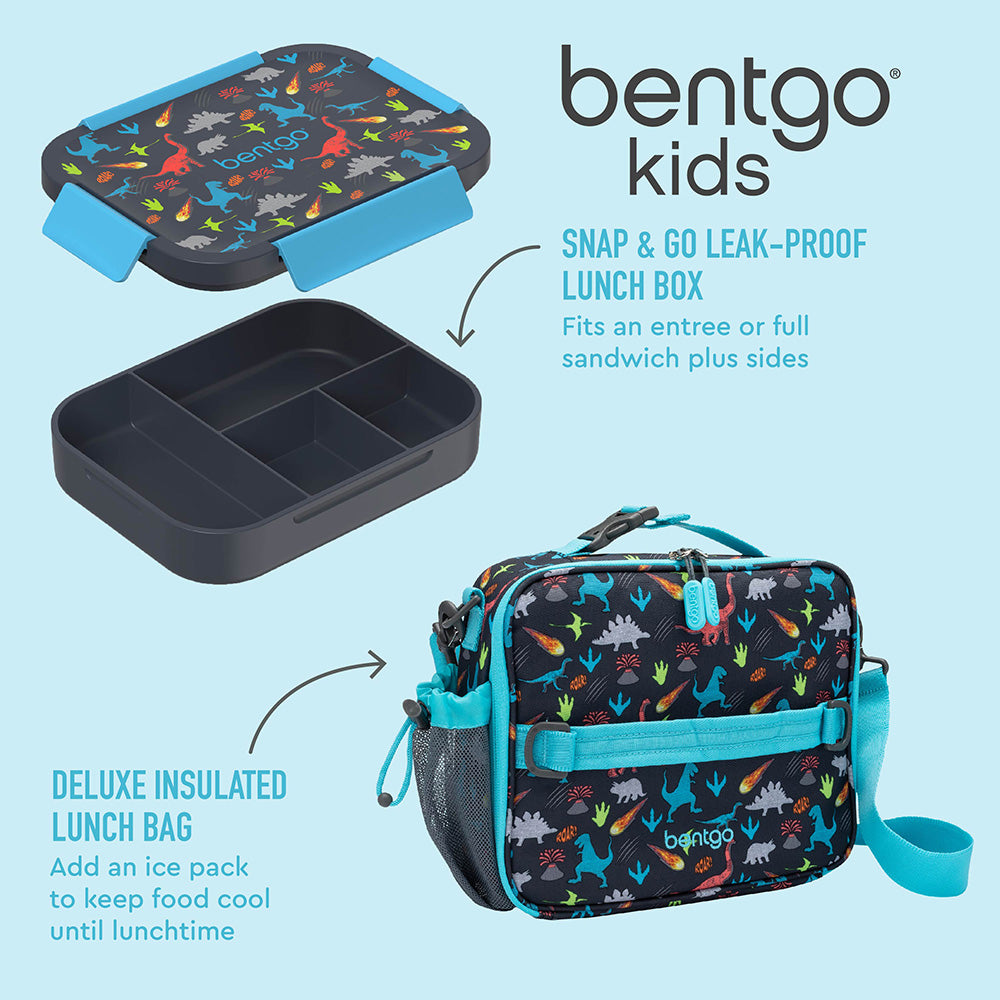
Leak-proof claims get misunderstood almost as often as insulation claims. The Bentgo Chill Kids Lunch Box is described as leak-proof, and the Easyboxes line promises to lock in freshness, but both depend on lids being fully snapped or sealed before transport. A half-closed latch or a lid seated at an angle can let liquid escape even on a well-designed container.
Overfilling a compartment past its intended line is another frequent cause of seal failure, since it puts pressure on the lid from the inside. The list below outlines some of the more common packing errors that compromise food safety and freshness in compartmented lunch boxes.
- Packing hot food directly into a sealed compartment traps steam and can warp the seal over time.
- Leaving a lid only partially snapped shut is a leading cause of leaks that gets blamed on the container instead of the packing method.
- Overfilling a compartment past its fill line puts uneven pressure on the lid and increases spill risk.
- Mixing raw and ready-to-eat items in adjoining compartments without a barrier ignores the separation the tray was designed to provide.
- Skipping the overnight freeze for a built-in ice pack removes the cooling benefit entirely.
- Reusing a stainless steel tray without following its specific dishwasher guidance can wear down its finish faster than expected.
Bentgo Food Jars vs. Compartmented Trays: When Each Works Best
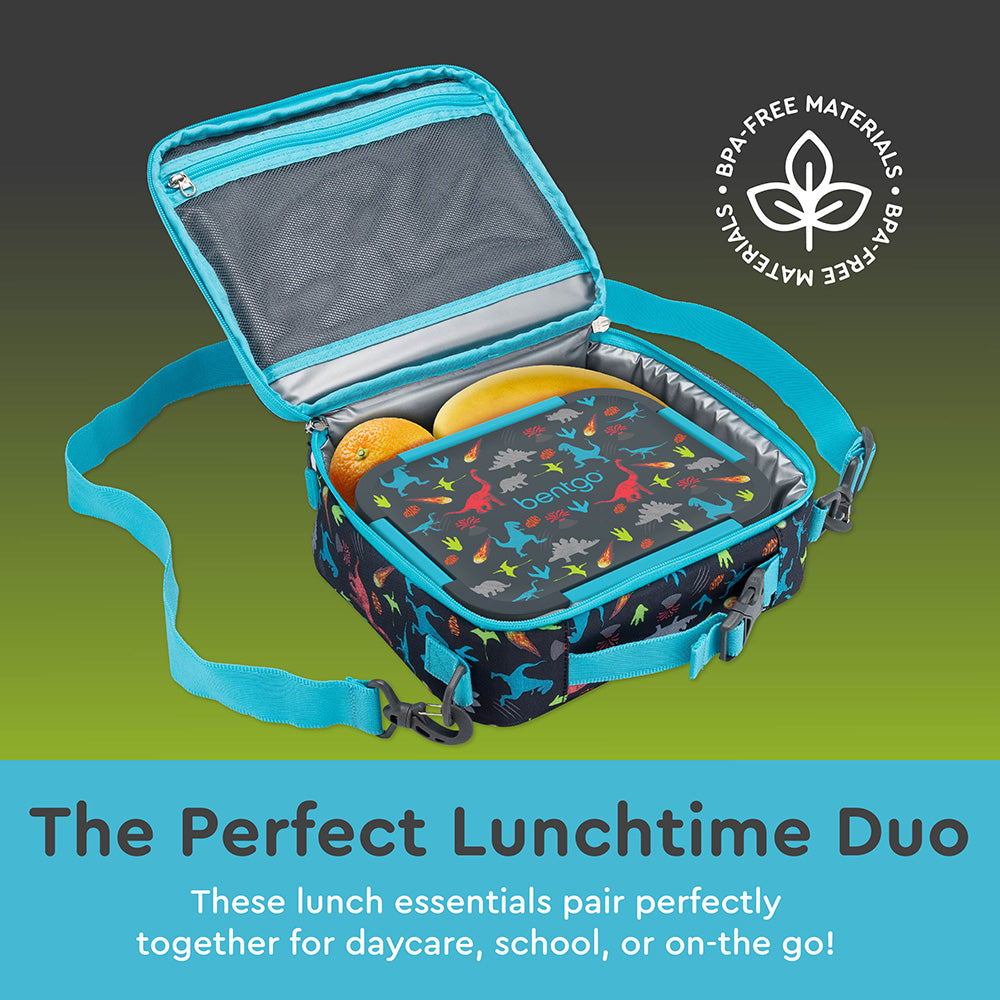
Trays and jars solve different packing problems, and treating them as interchangeable is another one of the lingering bento lunch box myths. The Bentgo Kids Stainless Steel Food Jar is built specifically for saucy meals such as chicken noodle soup or mac and cheese, items that would otherwise struggle inside a shallow tray compartment. It keeps warm or cool meals at the intended temperature in a way an open compartment typically cannot.
Compartmented trays, by contrast, suit meals that benefit from separation, such as a main dish alongside sides and a snack. Choosing between a Prep container set, a Modern lunch box, or a dedicated food jar often comes down to what is actually being packed that day. Matching the container type to the meal, rather than defaulting to one format for everything, addresses most of the packing mistakes covered above.
Insulation needs preparation, seals need full closure, and materials need their own care routine, and keeping those three distinctions straight clears up most remaining confusion about how these lunch boxes actually perform.