

Creating an organized personal workspace is essential for anyone who wants to think more clearly and stay focused. A well-structured environment helps separate ideas, track thoughts and maintain mental clarity in a world full of distractions. Many people struggle with scattered note-taking systems, disorganized files and tools that don’t work well together. Brick solves this problem by offering a modern, intuitive workspace designed specifically for people who need a single place to organize their thinking.
What Makes This Workspace Tool Different
The workspace tool market is crowded with options, but Brick stands apart because it combines simplicity with powerful organizational features. Unlike generic note-taking apps that encourage scattered information storage, this platform takes a structural approach to workspace design. It emphasizes clarity and intentionality, helping users build environments where every element serves a purpose. The interface is clean and distraction-free, which means users spend less time learning the tool and more time using it for productive work.
The solution is built for people who think deeply. Whether you’re a writer, strategist, researcher or entrepreneur, having a reliable workspace where your thoughts stay organized is invaluable. The tool encourages users to structure their work in ways that reflect how they actually think, rather than forcing them into rigid frameworks that don’t fit their process.
Core Features That Support Clear Thinking
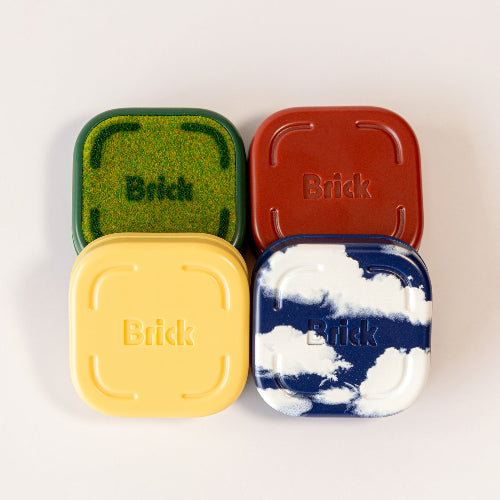
This workspace platform offers a range of features designed around the principle that organization drives clarity. The architecture lets users create distinct areas for different types of thinking, projects, ideas, research and long-form work all have their own spaces. This separation prevents the mental overload that comes from mixing too many types of information in one location.
The tool also provides flexible organization options. Users can structure their workspace in ways that match their workflow, whether that’s by topic, project, timeline or any other method that makes sense for their work. This flexibility means that it adapts to the user’s thinking style, not the other way around. Collaboration features allow teams to share workspaces when needed, making it easy to coordinate on shared projects without losing individual clarity. Users can access their workspace from multiple devices, ensuring that their organized thinking stays with them wherever they work.
Why Organization Matters for Mental Clarity
Research in psychology and productivity consistently shows that external organization reduces cognitive load. When your workspace is organized, your brain doesn’t waste energy trying to remember where things are or wondering if you’ve missed something important. Brick leverages this principle by making it effortless to keep information organized as it accumulates. The tool encourages users to develop organizational habits that stick because the interface makes those habits feel natural rather than forced.
Clear thinking also requires the ability to focus without distraction. The platform’s distraction-free design philosophy means fewer notifications, alerts and visual clutter than competing tools. Users can focus on their actual work instead of managing the tool itself. This focus extends to how information is presented, the interface shows only what’s relevant to the current task, keeping the mental workspace uncluttered. Speed and responsiveness matter too; sluggish tools create friction that interrupts the flow of deep work.
Getting Started With Your Personal Workspace
Setting up a workspace in Brick is straightforward. New users can start with a blank canvas and build their structure based on their immediate needs or they can explore templates that provide starting points for common use cases. The learning curve is intentionally shallow, most users find they can begin working productively within minutes of signing up. As needs grow and workflows become more complex, the solution scales alongside them without requiring a complete redesign of the workspace.
Integration with other applications is crucial for anyone working across multiple platforms. Rather than forcing users to abandon their existing toolchain, this workspace solution fits into it naturally. Users can adopt it for its core organizational strength without disrupting their current workflow. Over time, many users find that their workspace becomes a central hub that other tools connect to, rather than an isolated silo. This hub-and-spoke approach reduces context switching and keeps thinking organized across all their work.
Key Reasons to Adopt an Organized Workspace
- Reduces cognitive load by keeping your information structured and easy to find.
- Improves focus through a distraction-free interface designed for deep work.
- Scales naturally as your projects and thinking grow in complexity.
- Integrates with your existing tools without requiring a complete workflow overhaul.
- Encourages sustainable habits that keep your thinking organized over time.
Building Better Habits Around Your Workspace

The real power of this workspace platform emerges when users establish consistent habits around maintenance. A workspace that’s kept organized stays useful over time, but one that devolves into clutter becomes counterproductive. Brick makes it easier to maintain good habits by reducing the friction of staying organized. Users can set up regular reviews, archive completed work and refresh their workspace structure as their needs evolve. The interface supports these maintenance habits without making them feel like chores.
The tool also encourages reflection. When you have a clear workspace, you can see patterns in your thinking, identify what you’ve accomplished and plan what comes next more effectively. This reflective capacity transforms a workspace from a storage system into a thinking partner. Users often discover that the simple act of maintaining an organized workspace leads to more coherent thought and better creative output.
Conclusion Clarity Starts With Structure

Building and maintaining a personal workspace is one of the most underrated productivity investments. The mental clarity that comes from having a well-organized workspace affects everything from decision-making quality to creative output. Brick makes this investment accessible and sustainable, offering a modern workspace tool that feels designed for people who think seriously about their work.