

Alaska draws travelers who want glaciers, wildlife, and small coastal towns without paying for a private charter. Finding budget alaska cruises that still include real dining, entertainment, and comfortable cabins takes some comparison shopping, and Princess Cruises US is one of the operators most closely tied to the region. The line has sailed the Inside Passage and Gulf of Alaska for decades, with several ships and departure ports that make the trip easier to reach without extra flights. This article looks at staterooms, dining, shore time, and connectivity costs for anyone weighing an Alaska itinerary against a set budget.
Decades of Alaska Sailing Across the Princess Fleet
Princess Cruises US has sailed to Alaska for more than 50 years, and that history shows up in how many ships and itineraries run each season. Six MedallionClass ships, including Discovery Princess, Royal Princess, Majestic Princess, Crown Princess, and Ruby Princess, have sailed Alaska routes from west coast home ports. Seattle, Vancouver B.C., Anchorage (Whittier), and San Francisco all serve as departure points, which means travelers can often skip an extra flight segment. That spread of ships and ports is a practical reason budget alaska cruises are realistic rather than a rare find.
Itineraries such as the 7-Day Voyage of the Glaciers and the 7-Day Inside Passage form the backbone of the Alaska season, running between Vancouver and Anchorage or roundtrip from Seattle. A longer 10-Day Inside Passage sailing roundtrip from San Francisco also exists for anyone wanting more days ashore and at sea. Because these itineraries repeat across several ships, there is flexibility to match a sailing length and home port to a given schedule. As a result, lower-cost Alaska cruise options tend to surface across more than one ship in a season, not just a single sailing.
Stateroom Options Across Princess Ships: Interior, Oceanview, and Balcony

Staterooms fall into clear categories, including Interior, Oceanview, Balcony, Mini-Suites, Suites, and the Reserve Collection and Sanctuary Collection. Interior cabins sit at the simplest end of the range and are typically the most accessible way to book an Alaska sailing, which matters for anyone trying to keep the overall trip within a set budget. Because the cabin itself is only a sleeping space on most itineraries, travelers who plan to spend days on deck watching for glaciers often find the lower-cost interior option fits how they actually use the ship.
Oceanview staterooms add a window or porthole, giving a view of passing coastline without paying for a private balcony. For Alaska specifically, that window can matter more than in other destinations, since glacier calving and wildlife sightings happen throughout the day, not only at scheduled stops. Balcony cabins go further with private outdoor space, which some travelers weigh against the added cost because Alaska scenery rewards time spent outside. Mini-Suites, Suites, and the Reserve and Sanctuary Collections offer more room and added amenities, giving a traveler the option to spend more only where it matters most personally.
Onboard Dining and Entertainment Included with Cruise Fare
Dining on an Alaska sailing can include a seasonal program called Wild for Alaska Seafood, running aboard several vessels during the spring sailing season. The program rotates an extensive menu of Alaska seafood dishes and pairs them with destination-inspired cocktails, including flights of Alaska spirits sourced from local distilleries. It also includes premium wine pairings built specifically around the seafood menu, rather than a standard wine list used fleetwide. This sits within a broader onboard initiative called North to Alaska, which brings local culture and ingredients aboard as well as ashore.
Princess Cruises US folds these dining events into the standard fare instead of selling them as a specialty add-on, and that is one of the clearer value points for anyone comparing budget alaska cruises against other lines. Entertainment and standard dining venues round out what is already included once a stateroom is booked, so the base fare covers considerably more than a bed and a dining room. That distinction matters most when working out what the published fare actually buys before adding anything extra.
Shore Excursions and Alaska Experiences Beyond the Ship

Shore excursions are sold separately from the cruise fare, and these are where Alaska costs can vary the most. Options range from short walking tours in port towns to longer wildlife and glacier-viewing trips that require a separate vehicle or boat. Because Alaska’s appeal is largely about what happens off the ship, this is also the area most worth planning for financially in advance.
Some sailings also connect to land-based stays, such as wilderness lodges in the Kenai area or hotels near Denali, extending a trip beyond the ship itself. These land extensions are priced and booked separately from the cruise portion. Treating excursions and land stays as their own line item, rather than assuming they are bundled into the base fare, gives a clearer picture of total Alaska cruise spending.
- Standard dining venues and seasonal programs like Wild for Alaska Seafood are included in the base cruise fare rather than charged as extras.
- Entertainment throughout the ship is covered by the fare paid at booking, not sold as a separate ticketed experience.
- Shore excursions in Alaska ports are booked and paid for separately from the cruise fare.
- Onboard internet through MedallionNet is sold as its own package rather than included automatically.
- Land-based extensions, such as wilderness lodge stays near the Kenai Peninsula or Denali, are priced apart from the cruise itself.
MedallionNet and Onboard Packages: What Costs Extra

Connectivity is one of the clearest examples of an optional add-on rather than something folded into every fare. MedallionNet, the ship’s internet service, is sold as its own package, which means travelers who want to stay connected throughout an Alaska sailing need to budget for it separately. Other onboard packages, covering things like beverage service or specialty dining reservations, work the same way and sit outside the base fare.
Sorting which services carry an additional charge from those already covered is what actually separates the headline fare from the real total cost of budget alaska cruises, and it also shows which add-ons are genuinely optional. A traveler who skips optional packages altogether will spend considerably less than one who adds internet, specialty dining, and multiple excursions on top of the booking. Princess Cruises US keeps these extras distinct from the base fare, so the starting price stays a meaningful reference point when comparing cruise lines.
Planning a 2026, 2027, and 2028 Princess Alaska Cruise
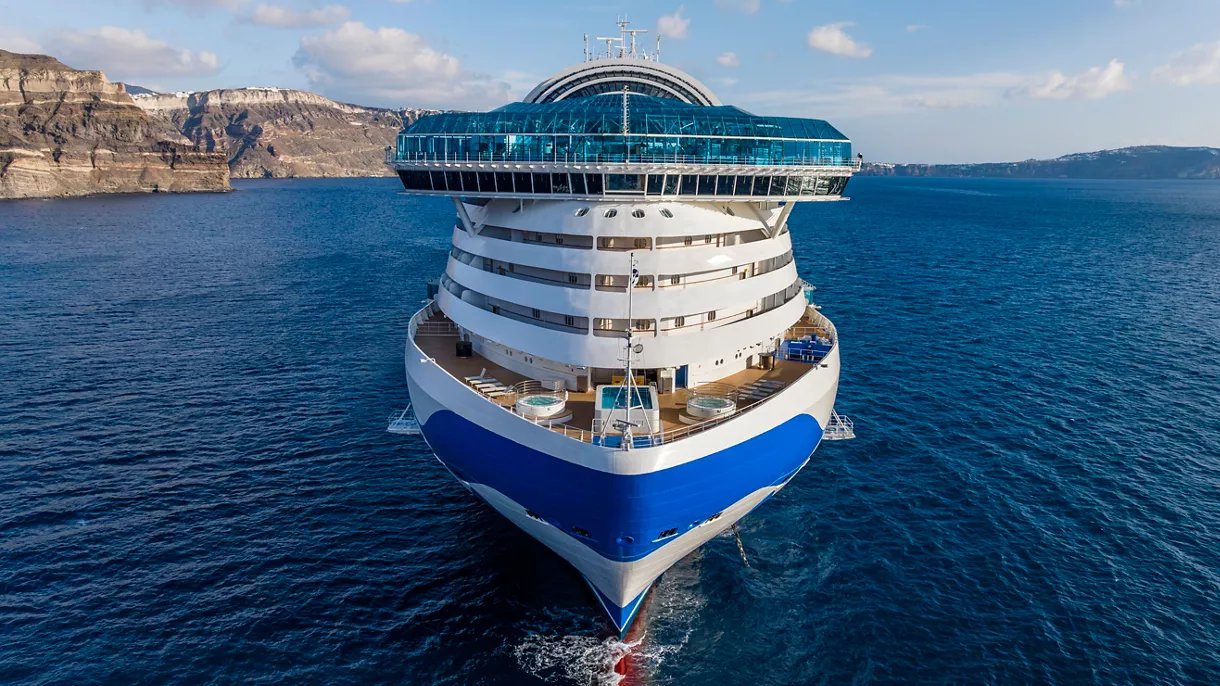
Alaska itineraries are typically released well ahead of the sailing season, giving travelers planning upcoming departures time to compare ships, home ports, and stateroom categories. Princess Cruises US lists its Alaska lineup, including departure cities and ship assignments, through its own booking channels. Comparing a 7-Day Inside Passage sailing against a longer 10-Day itinerary is one practical way to weigh schedule against overall trip length before booking.
Because home ports like Seattle, Vancouver, and San Francisco each offer different road and air access, the choice of departure city is its own planning decision. Travelers weighing a cruisetour extension into Denali or Fairbanks should treat that land portion as a separate planning step from the cruise itself. Working through stateroom category, onboard add-ons, and shore excursions in that order tends to produce a clearer overall budget before any booking is made, and Princess Cruises US publishes enough detail on each category to make that comparison possible.
Alaska keeps drawing travelers back season after season, and the range of ships, cabins, and included dining gives most budgets a workable way into the region.