
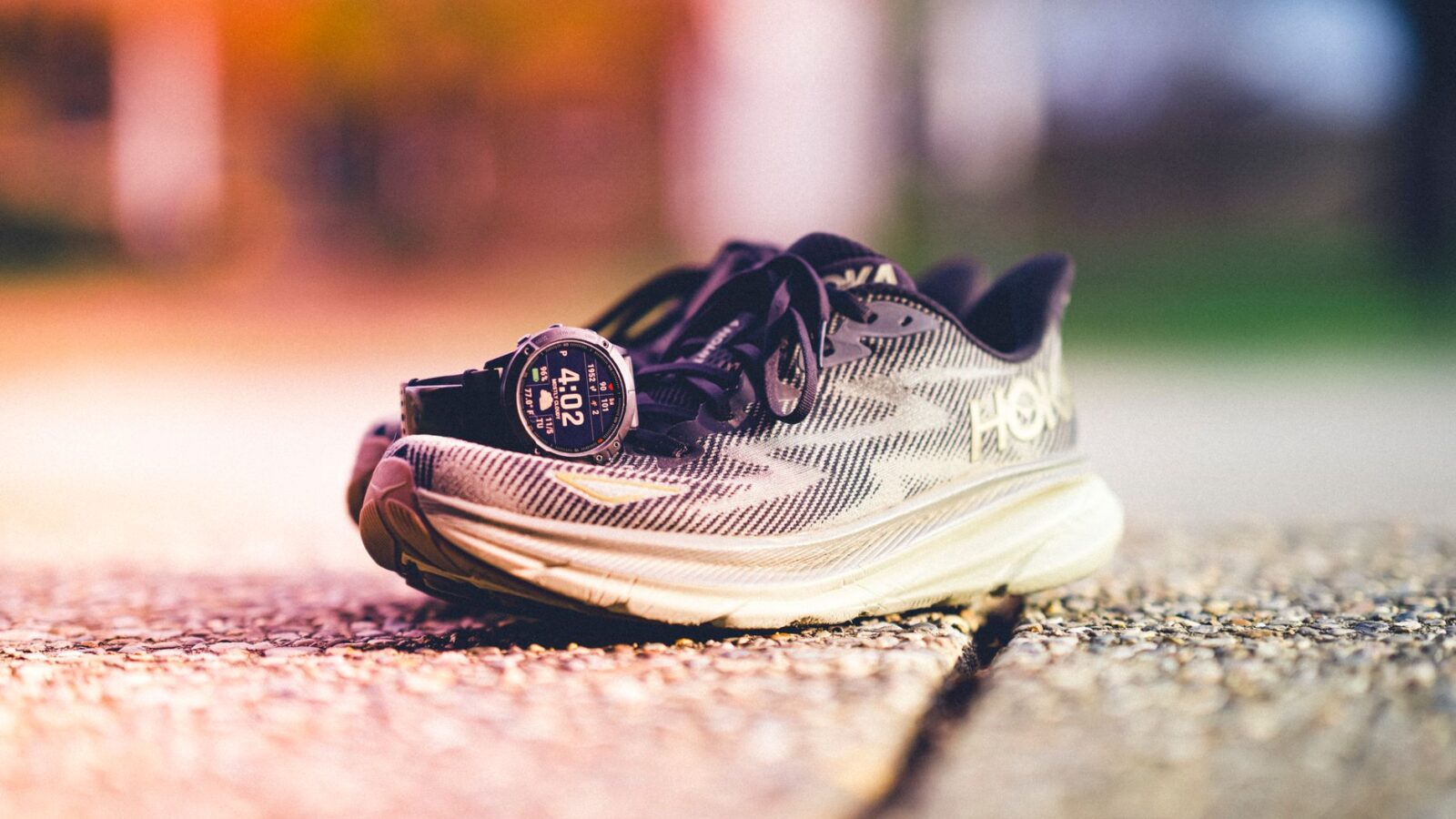
Running is one of the most accessible and effective forms of exercise available to people of all fitness levels and ages. Whether pursuing competitive athletics, maintaining cardiovascular health or simply enjoying the meditative benefits of outdoor movement, the quality of your footwear dramatically impacts your experience and long-term physical well-being. Proper running shoes provide essential support, reduce injury risk and enhance performance across all distances and terrains. Understanding what distinguishes quality running shoes from ordinary athletic footwear helps runners make informed investments in equipment that genuinely supports their goals.
The Biomechanics of Running and Shoe Design
Running places significant demands on feet, ankles and legs through repetitive impact with the ground. Each stride involves landing forces equal to two to three times your body weight, making shoe design that absorbs and distributes this impact essential for comfort and injury prevention. hoka shoes incorporate advanced cushioning technologies specifically engineered to absorb impact while maintaining the responsive feel runners need for efficient movement. Proper heel-to-toe drop, arch support and midsole rigidity all work together to optimize biomechanical efficiency during running activities.
Finding Your Foot Type and Gait Pattern
Runners have different foot types and gait patterns based on genetics, muscle development and previous injuries. Some runners overpronate (rolling inward), others supinate (rolling outward), while neutral runners land relatively centered. Understanding your gait pattern helps identify shoes that provide appropriate correction or support. Many specialty running stores offer gait analysis services that observe your running pattern on treadmills or video analysis. This personalized insight enables selection of shoes engineered for your specific biomechanics rather than generic styles that may not address your particular needs.
Cushioning Technologies and Energy Return
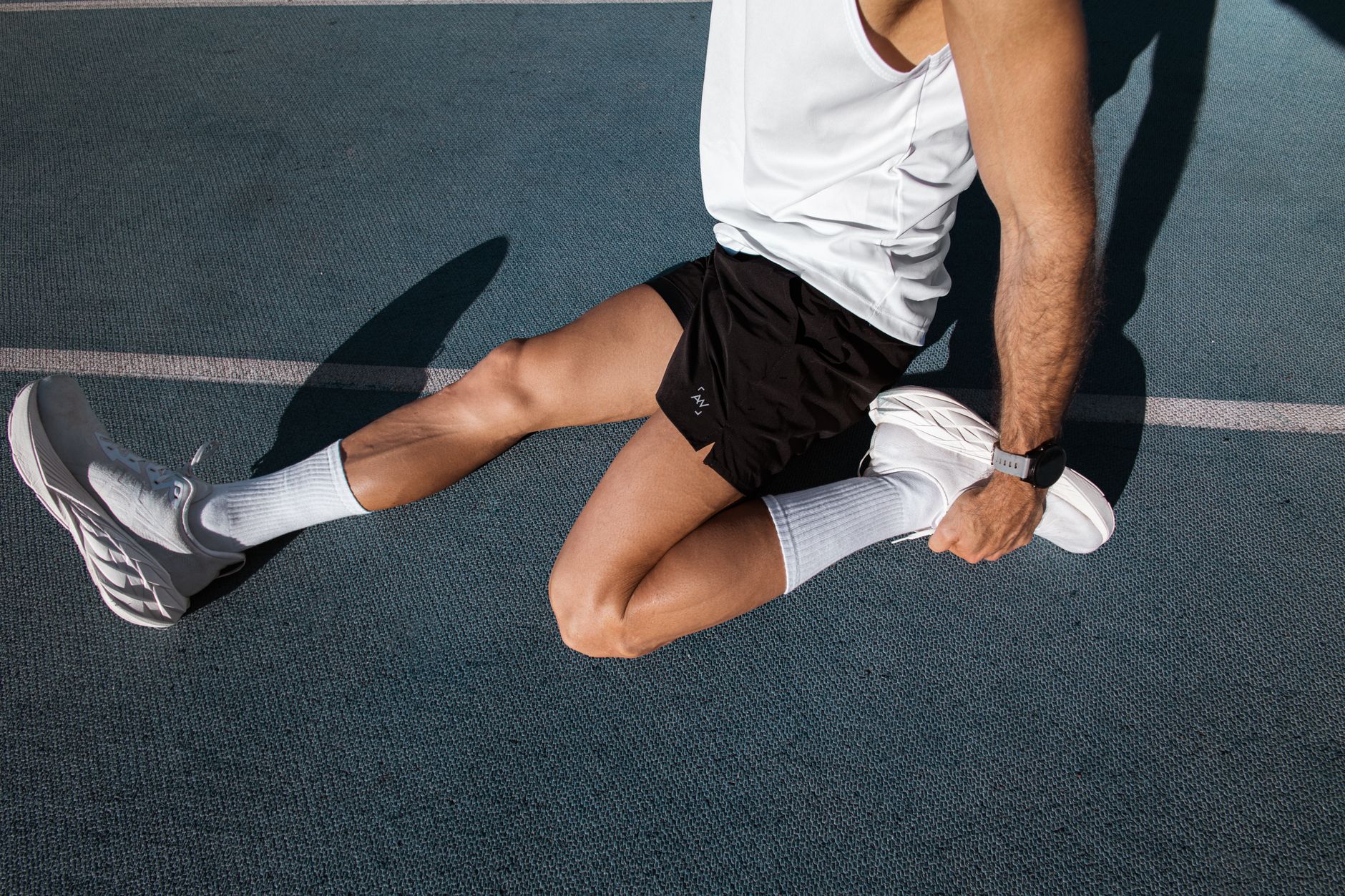
Modern running shoe midsoles employ various foam and spring technologies designed to absorb impact while returning energy that propels forward momentum. Memory foam provides stable, lasting cushioning, while spring-like foam compounds offer responsive rebound that reduces the muscular effort required per stride. hoka invests in proprietary cushioning systems that balance these qualities, providing comfort during long runs while maintaining the responsiveness that serious runners demand during tempo work and racing. The ideal cushioning technology varies by running style, distance runners prioritize comfort and durability, while speed-focused runners prefer responsive, minimal-stack shoes.
Shoe Durability and Cost-Per-Mile Economics
Quality running shoes typically last between 300 and 500 miles before cushioning degrades sufficiently to warrant replacement. While premium running shoes cost more upfront than casual athletic footwear, calculating cost-per-mile often reveals excellent value. A shoe lasting 400 miles costs approximately 37 cents per mile, while a shoe lasting 200 miles costs 35 cents per mile, comparable cost despite lower initial investment. Quality construction, durable outsole materials and advanced midsole technology all contribute to extended lifespan that extends the practical value of premium shoes considerably. hoka
Terrain-Specific and Season-Appropriate Selections
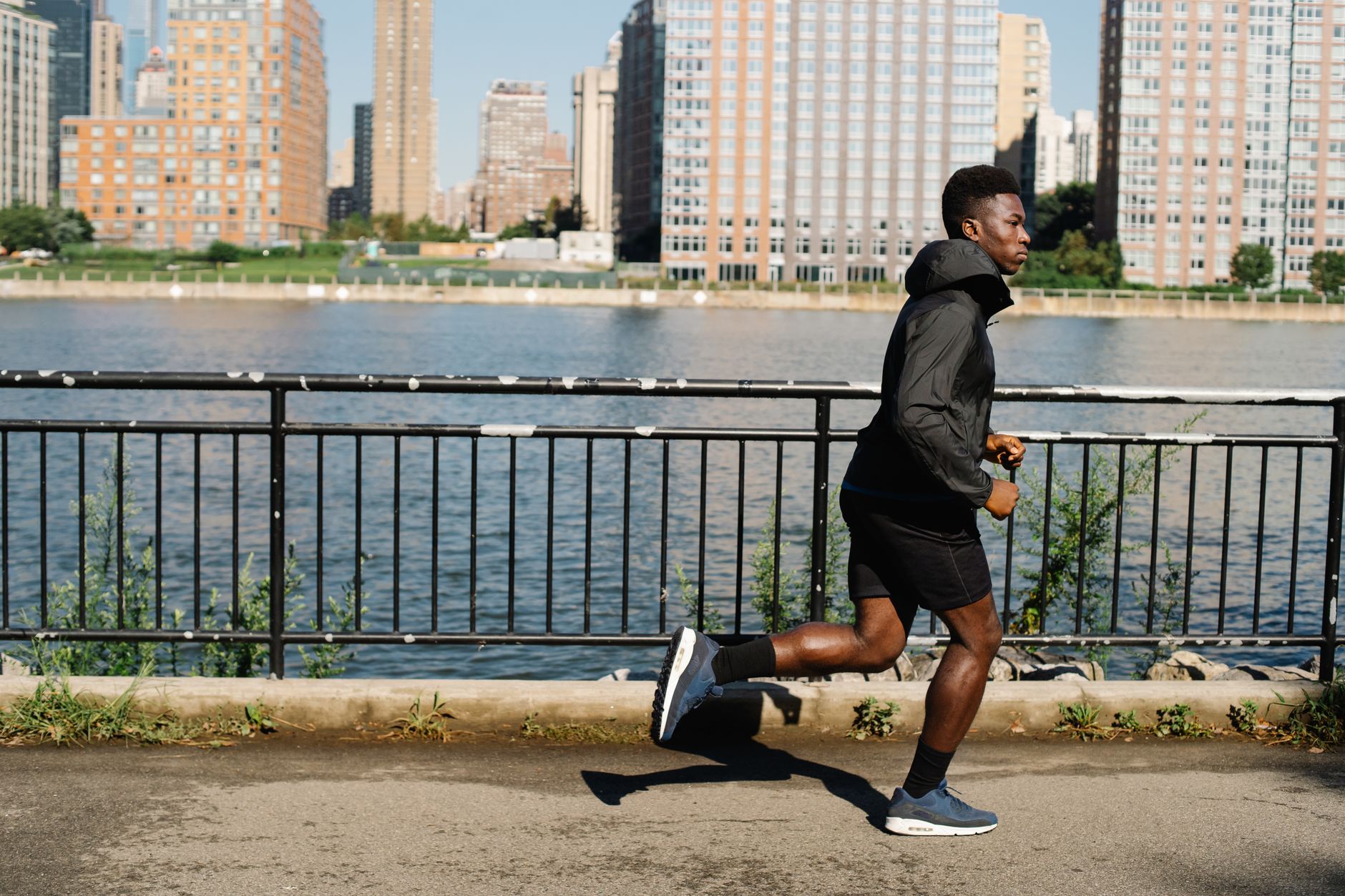
Different running environments demand different shoe designs. Road running requires responsive, smooth-outsole shoes optimized for pavement impact. Trail running necessitates aggressive tread patterns, reinforced uppers and rock plates protecting feet from jagged terrain. Winter running benefits from shoes with additional traction and potentially more insulation. hoka designs shoes for various running contexts, allowing runners to select options optimized for their primary running environment. Many serious runners maintain multiple shoes for different purposes, rotating pairs to extend lifespan while maintaining the specific performance characteristics each shoe provides for particular running situations.
Fit and Comfort as Non-Negotiable Factors
The most technically advanced shoe provides no benefit if it causes blisters, pinching or general discomfort during runs. Proper fit requires considering toe box width and depth, heel collar comfort and midfoot security. Running-specific shoes typically feature roomier toe boxes than casual sneakers to accommodate the foot expansion that occurs during running. Trying shoes on in the afternoon when feet are slightly swollen, wearing running-specific socks during fitting and allowing approximately half a thumb’s width of space between toes and shoe end all contribute to proper fit selection. Comfort during initial fitting often predicts satisfaction during actual running use.
Transitioning to New Shoes and Break-In Strategies
New running shoes require a proper transition period as feet and legs adapt to new cushioning and support characteristics. Running the first few miles gradually, mixing new shoes with existing shoes during a break-in period and paying attention to any unusual discomfort helps identify whether new shoes are appropriate for your running style. Some runners experience an adjustment period of 20-50 miles before new shoes feel completely natural, while others adapt immediately. Patience during this transition period and willingness to exchange shoes if significant issues arise ensures that your investment results in shoes you genuinely enjoy wearing.
- Have your gait analyzed at a specialty running store to understand your biomechanical needs before shoe selection.
- Consider your primary running terrain and distance when selecting shoes engineered for specific purposes.
- Compare cost-per-mile rather than only initial shoe price to evaluate true value of quality running shoes.
- Replace shoes every 300-500 miles or when cushioning noticeably deteriorates to maintain injury prevention benefits.
- Maintain at least two pairs of running shoes, rotating between them to extend lifespan and prevent repetitive stress.
Quality running shoes represent a fundamental investment in comfortable, injury-free running that enables you to pursue your athletic goals consistently over years. hoka shoes combine scientific cushioning research with thoughtful design that addresses the real biomechanical demands runners face, enabling athletes to run comfortably while maintaining the responsive performance that makes running rewarding across all distances and conditions.