
Choosing an outdoor watch often comes down to matching the device to the terrain and the length of the trip ahead. A careful Suunto sports watches comparison across three distinct lines, Race, Vertical, and Core, shows how differently each model is built for its intended pursuit. Suunto® designs each line around a specific kind of adventure rather than a single catch-all spec sheet. From lightweight trail racing to multi-day backcountry navigation, the range covers a wide span of outdoor activity.
Understanding Suunto’s Three Core Watch Categories
Suunto® organizes its outdoor watches around the type of adventure rather than a simple features list. The Race 3S targets runners who want a light watch for technical terrain and long miles. The Vertical 2 is built for off-grid, multi-day exploration where endurance and navigation matter most, while the Core 2 focuses on altitude, weather, and direction readings for backcountry travel away from marked trails.
Each line carries its own display technology, battery profile, and sport-tracking set. As a result, a proper Suunto sports watches comparison has to look at the activity first and the specification sheet second. A marathon runner and a weeklong hiker are not shopping for the same tool.
Suunto Race 3S: Lightweight Performance for Trail Running
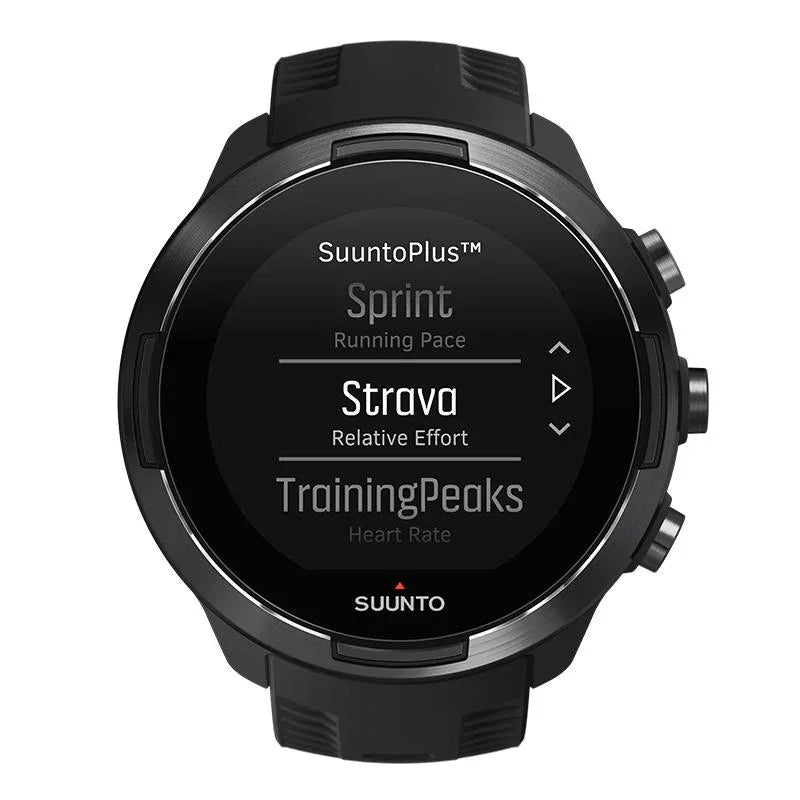
The Race 3S is described as a lightweight, compact titanium sports watch built with AI Coach guidance for personalized training. It weighs 56 grams, which keeps it comfortable on smaller wrists during long runs. Dual-band GPS battery life reaches up to 38 hours, giving trail runners enough coverage for extended sessions without a midrun charge.
On the display side, this model uses a 2,000-nit AMOLED screen, paired with 64GB of onboard storage for maps and music. All-Terrain Navigation with free global maps helps runners stay oriented on unfamiliar trails. A Smart Race Strategy feature is built specifically around trail racing, addressing pacing and route planning for competitive days.
Suunto Vertical 2: Extended Battery and Navigation for Long Expeditions
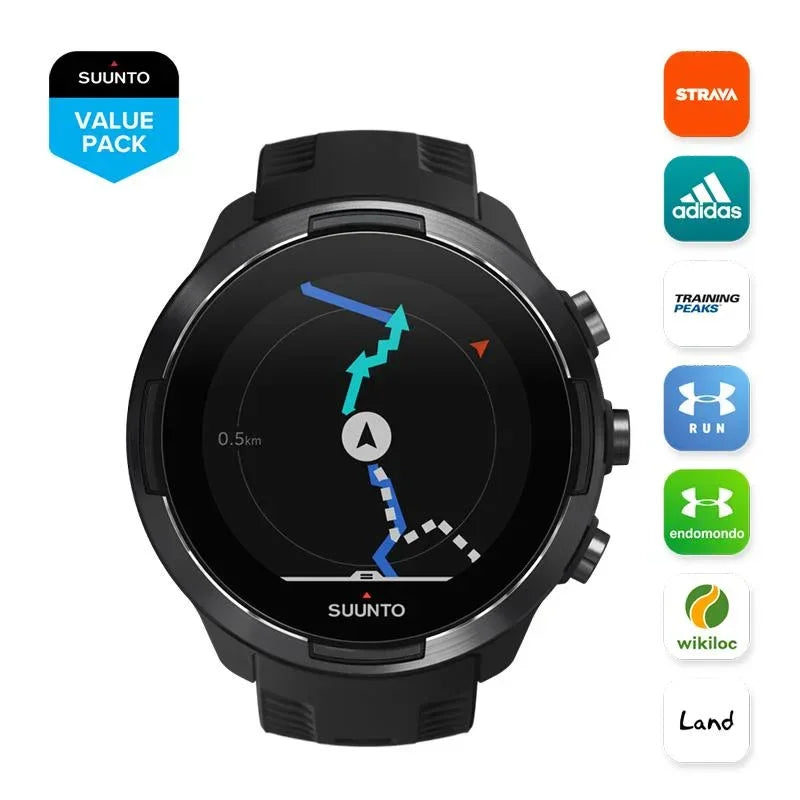
The Vertical 2 is positioned as an adventure watch for outdoor expeditions and extended training blocks. It carries a bright 1.5-inch AMOLED display and offers improved offline maps for navigation away from cell coverage. Battery life reaches up to 65 hours, a figure aimed at multi-day outings where recharging options are limited.
Beyond battery and mapping, this watch includes an integrated LED flashlight, a practical addition for early starts or late returns to camp. It also supports more than 115 sport modes alongside improved heart rate tracking, giving it a wider net for mixed outdoor training beyond running alone. Suunto® also makes dive computers and precision instruments, though the Vertical 2 itself stays focused on expedition-length outdoor use.
Suunto Core 2: ABC Instruments and Off-Grid Essentials
The Core 2 is built around what the brand calls ABC instrumentation, meaning altimeter, barometer, and compass readings combined in one device. This positions it as an off-grid outdoor watch for altitude, weather, and direction in the backcountry rather than a running-focused tool. Suunto® describes the Core 2 as pairing these ABC features with long battery life and a durable design for demanding conditions.
Unlike the AMOLED screens found on the Race and Vertical lines, the Core 2 is aimed at travelers who prioritize durability and straightforward outdoor readings over a GPS-heavy sport-tracking suite. It is marketed specifically for long expeditions where conditions are unpredictable. That focus on raw navigation instruments, rather than training analytics, separates it clearly from the other two watch families in this Suunto sports watches comparison.
Battery Life, Display, and Navigation Features Across Tiers
Battery figures vary meaningfully across the lineup, and that variation reflects each watch’s purpose. The Race 3S offers up to 38 hours in its best dual-band GPS mode, suited to single long runs or short multi-day races. The Vertical 2 nearly doubles that figure with up to 65 hours, built for expeditions spanning several days without charging access.
Display technology also differs across these models. The Race 3S uses a high-brightness 2,000-nit AMOLED panel, while the Vertical 2 carries its own 1.5-inch AMOLED screen with offline mapping layered on top. Navigation tools scale with purpose, too. The Race 3S includes All-Terrain Navigation with free global maps for trail routes, and the Vertical 2 pairs offline maps with its longer battery runway for sustained backcountry use.
- The Race 3S weighs 56 grams and runs up to 38 hours on dual-band GPS.
- The Race 3S includes a 2,000-nit AMOLED display and 64GB of storage for maps and music.
- The Vertical 2 offers up to 65 hours of battery life alongside a 1.5-inch AMOLED display.
- The Vertical 2 supports more than 115 sport modes and includes an integrated LED flashlight.
- The Core 2 centers on altimeter, barometer, and compass readings for off-grid navigation.
- The Core 2 is built for long expeditions where durability and basic outdoor readings matter most.
Sport Modes and Training Capabilities in Each Series
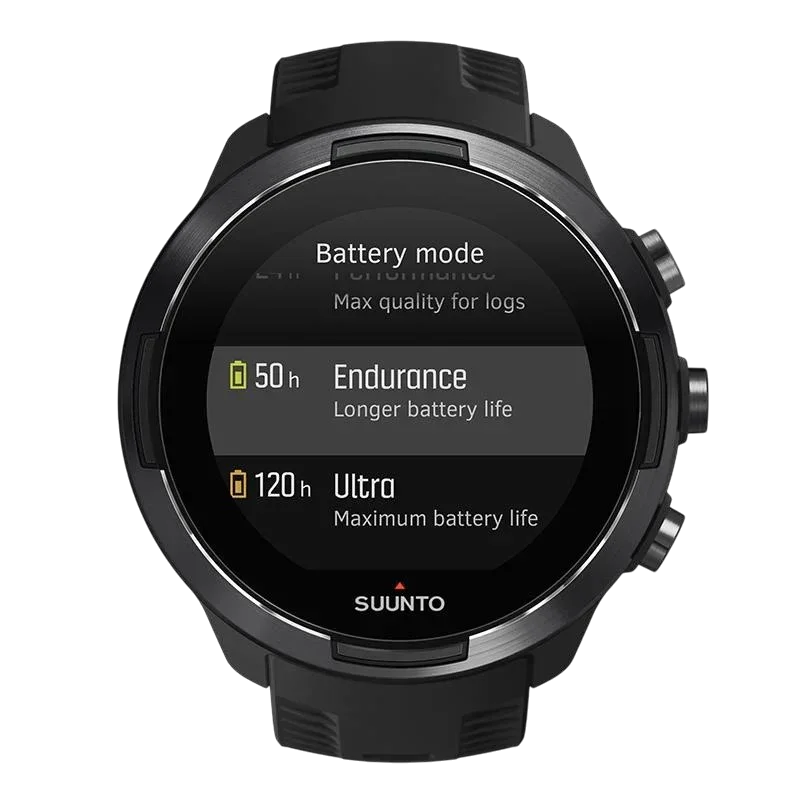
Training depth also separates these three watches. The Race 3S leans on AI Coach for personalized training guidance alongside its Smart Race Strategy tool, both aimed squarely at runners preparing for race day. Its feature set leans toward pace, splits, and trail-specific routing rather than broad activity tracking.
The Vertical 2 takes a different angle, spreading its sport-tracking range across varied outdoor disciplines instead of concentrating on race-day pacing alone. That breadth suits athletes who mix hiking, climbing, and endurance training within the same season. The Core 2, meanwhile, skips an extensive sport-mode list in favor of dependable altitude, weather, and direction data for off-grid travel. A thorough Suunto sports watches comparison has to weigh these training priorities just as heavily as raw specifications.
Suunto® shows how one outdoor watch maker can serve very different adventures without forcing a single device to do everything.