
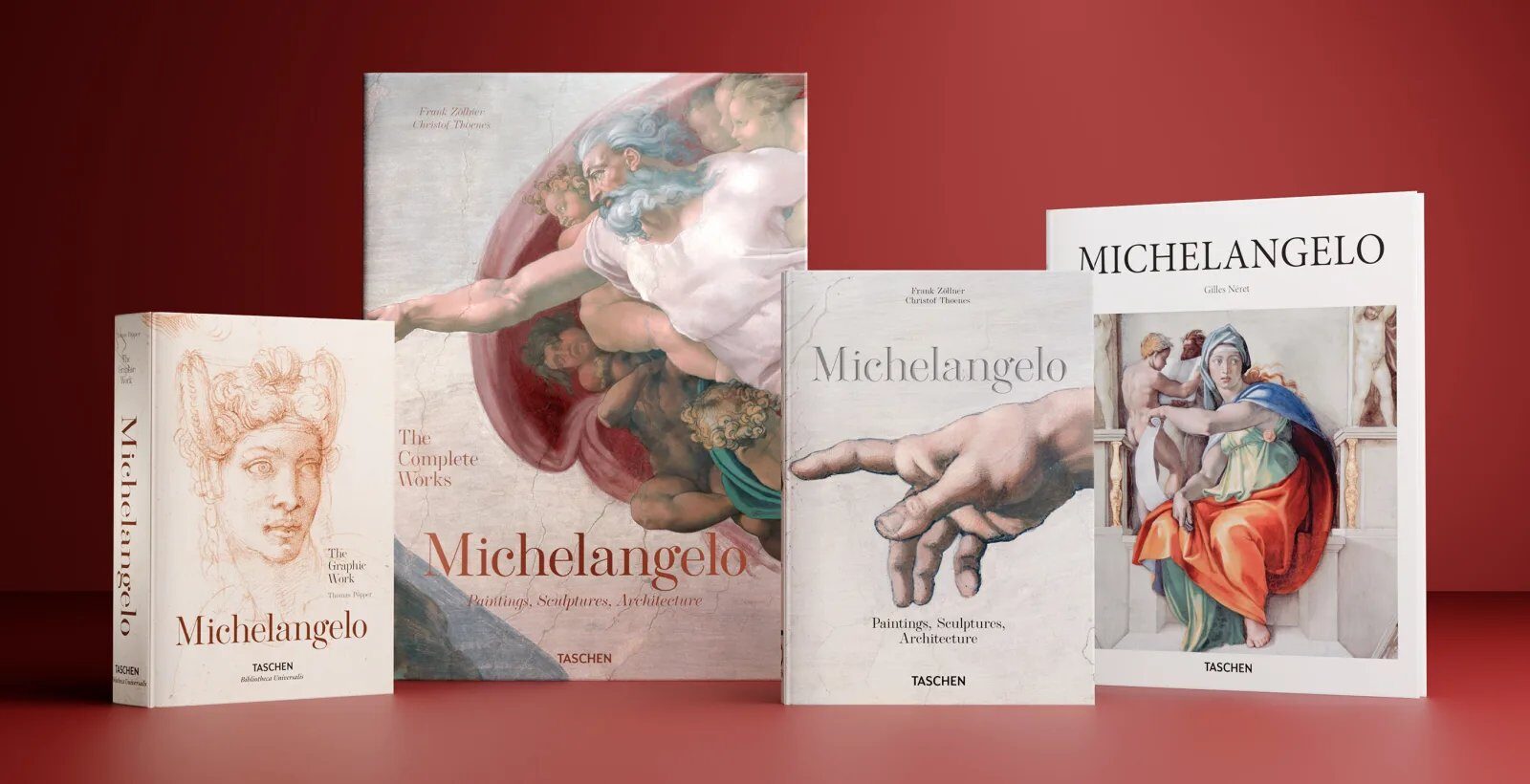
Building a shelf of affordable TASCHEN art books takes patience rather than luck, since the publisher covers a wide range of subjects, formats, and print runs. Recognizing the differences between a reissued classic and a numbered limited edition matters before any purchase. This guide walks through the publisher’s main categories and explains how format and edition size shape value for anyone assembling a collection over time.
What TASCHEN Publishes: From Coffee Table Staples to Collector’s Archives
TASCHEN describes itself as a publisher of “books for optimists,” and its catalog backs that up with range. Subjects span fine art, architecture, photography, esoterica, pop culture, and sport, often within the same season of new releases. Titles like Murals of Tibet sit alongside Lakers. An Official History of the Purple & Gold and Rainer W. Schlegelmilch’s Ferrari Sports Car Racing, showing how broad the publishing program actually is.
That breadth is part of what makes affordable TASCHEN art books approachable for new collectors. A single catalog page can move from Michelangelo’s paintings and sculptures to infographics pioneer Fritz Kahn without missing a step. This variety means a collection does not need to stay narrow to stay coherent.
The 45th Edition Series: Accessible TASCHEN Books for First-Time Buyers
The 45th Edition Series is one of the more accessible entry points into the catalog. W Magazine called it “a blindingly diverse library of publications,” and titles in the series include Michelangelo. Paintings, Sculptures, Architecture, Peter Lindbergh. Shadows on the Wall, and Muybridge. The Human and Animal Locomotion Photographs. Manly Palmer Hall’s companion to The Secret Teachings of All Ages also belongs here, offered as a hardcover running 480 pages at 15.6 x 21.7 cm.
These are standard hardcovers rather than oversized or limited editions, which keeps them practical to shelve and handle. For anyone comparing affordable art books from this range against the publisher’s larger XL volumes or signed limited runs, the 45th Edition Series is a reasonable place to start sampling subjects before committing to bigger formats.
Star Wars Comics Library and Themed Collections: Niche TASCHEN Publications Beyond Fine Art
Not every release centers on painting or photography. The Star Wars Comics Library, Volume 1, covers the earliest years of the comic series as a themed archival project, and George Lucas called the effort “a wonderful adventure in comics.” The Marvel Comics Library extends this approach with volumes dedicated to Spider-Man and the Avengers, each tracing specific early runs.
These themed collections function as archival documentation as much as entertainment. The Lucas Museum of Narrative Art title follows a similar logic, treating narrative illustration as a subject worth cataloguing in book form. Collectors drawn to pop culture or comics history will find these sit comfortably next to the fine-art side of the list.
XL and Standard Formats: How Book Size Affects TASCHEN’s Value Proposition

Format is one of the clearest signals of what a title is meant to deliver. XL books are defined as at least 34 cm high, with landscape titles as the exception, and examples include National Geographic. The United States of America and ARNOLD. Lakers. An Official History of the Purple & Gold also carries the XL designation, running 528 pages and weighing 3.86 kg in its hardcover format.
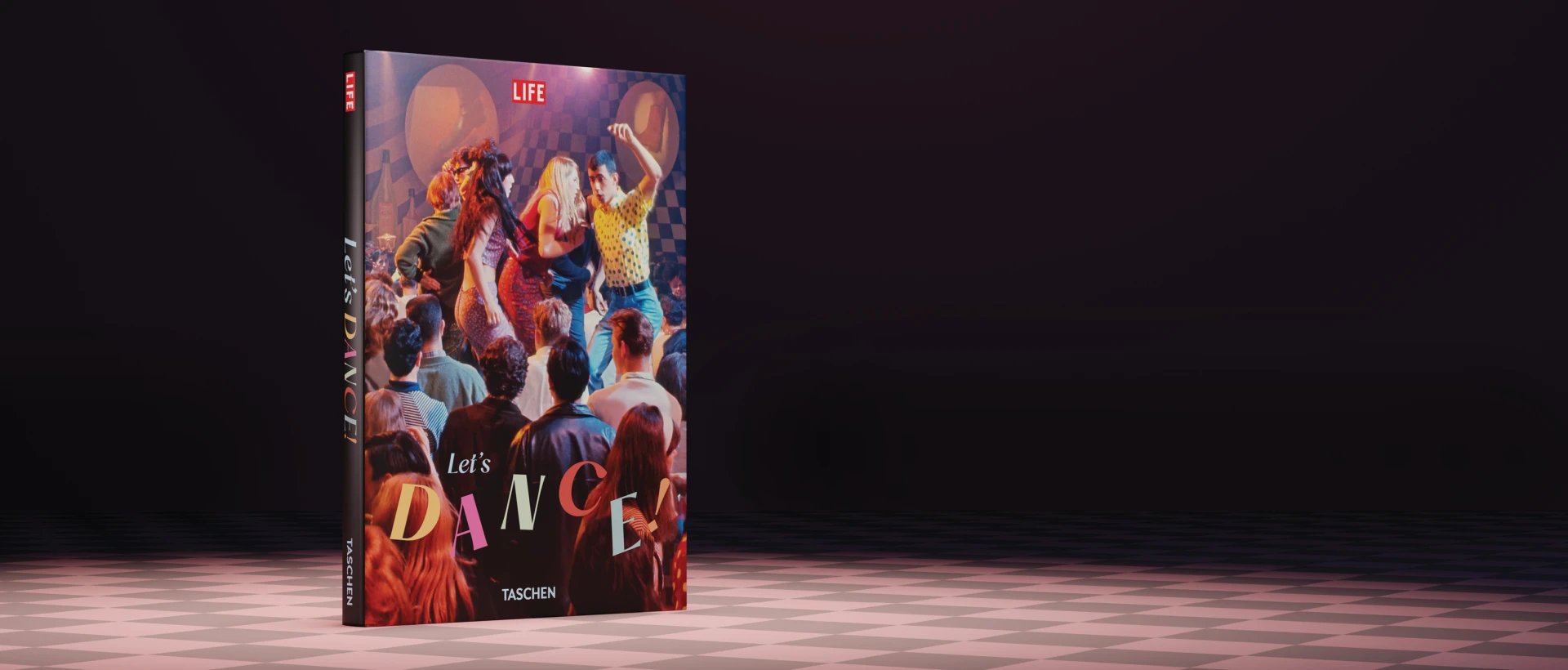
Standard hardcovers, by contrast, are easier to shelve and often cover similarly rich subjects in a more compact footprint. LIFE. Let’s Dance, for instance, is a 248-page hardcover measuring 20 x 27.9 cm. Choosing between XL and standard formats often comes down to how a book will be displayed rather than the depth of its content, which matters when weighing affordable TASCHEN art books against the larger oversized volumes.
Art Editions and Limited Releases: When TASCHEN Books Become Collector’s Items

At the far end of the catalog sit numbered and signed releases. Rainer W. Schlegelmilch’s Ferrari Sports Car Racing is issued as a Limited Edition numbered 201 to 1,500, with each copy signed by the photographer himself. Murals of Tibet goes further still, with its Art Edition split into several distinct numbered tranches, including No. 1 to 80, No. 81 to 160, and No. 161 to 240, each tied to a specific historical mural image.
These releases differ from the rest of the catalog in that scarcity is built into the object itself. A numbered, signed print run is a different kind of purchase than a standard hardcover reissue. For collectors tracking output over time, these limited runs mark the point where a book catalog starts to behave like an edition market.
Building a Diverse TASCHEN Shelf: Strategic Purchasing Across Categories

A well-rounded shelf of affordable TASCHEN art books usually draws from more than one category, mixing a 45th Edition Series title with a themed archive and an occasional XL format for both range and visual variety. This also means not every purchase needs to chase a limited numbered edition to feel substantial. That flexibility is part of what keeps the catalog approachable across different collecting interests.
- Architecture and design are represented through titles such as Jean Pistre’s Tracing the Roots of Architecture, which surveys traditional buildings around the world.
- Motorsport photography appears through Rainer W. Schlegelmilch’s Ferrari Sports Car Racing, covering the marque’s sports car racing era.
- Entertainment and pop culture archives include the Star Wars Comics Library and the Marvel Comics Library’s Spider-Man and Avengers volumes.
- Sport history is documented in Lakers. An Official History of the Purple & Gold, produced in collaboration with the team itself.
- Cultural and historical documentation runs through Murals of Tibet and Manly Palmer Hall’s companion volume on esoteric wisdom.
- Dance and performance history is covered in LIFE. Let’s Dance, drawing on Life magazine’s photographic archive.
Approaching the catalog this way treats each category as a separate thread rather than a single narrow focus. A shelf built from several of these threads tends to read as more deliberate than one built from a single theme repeated many times over. Over time, that approach turns a scattered set of purchases into something closer to a true collection, with each new addition chosen for what it adds rather than for its size or edition number alone.
What matters most going forward is pairing curiosity with a clear sense of each title’s place in the catalog, so new additions fill gaps rather than duplicate what the shelf already holds.