
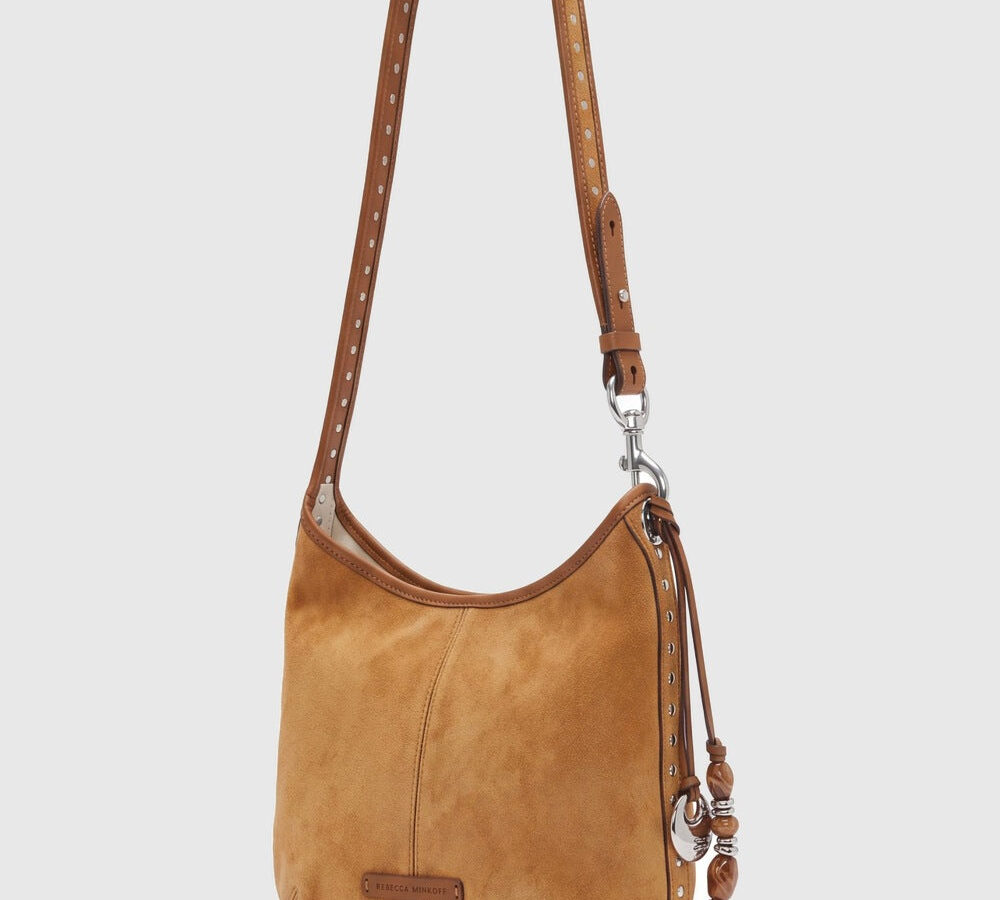
Designer handbags and accessories make up one of the most competitive corners of fashion, where craftsmanship meets trend-driven design. Rebecca Minkoff has built a recognizable place within that space, offering bags, outerwear, shoes, and accessories that share a consistent point of view. This overview looks at how the label approaches design across categories and where it sits among contemporary accessory brands.
What Defines Contemporary Designer Handbags
Contemporary designer handbags tend to balance function with a distinct silhouette, something that sets them apart from purely utilitarian carryalls. Materials, hardware finishes, and proportions all play a role in how a bag reads as current rather than classic. Many shoppers also look for versatility, since a bag that moves from day to evening offers more value than one built for a single occasion.
Trend-forward accessories often borrow details from runway seasons, then translate them into pieces meant for daily use. That might mean a structured flap bag reworked in a brighter hue, or a crossbody updated with unconventional stitching. These small shifts are what keep a handbag collection feeling fresh season after season.
The Lennox and Delancey: Signature Styles in Rebecca Minkoff’s Bag Collection
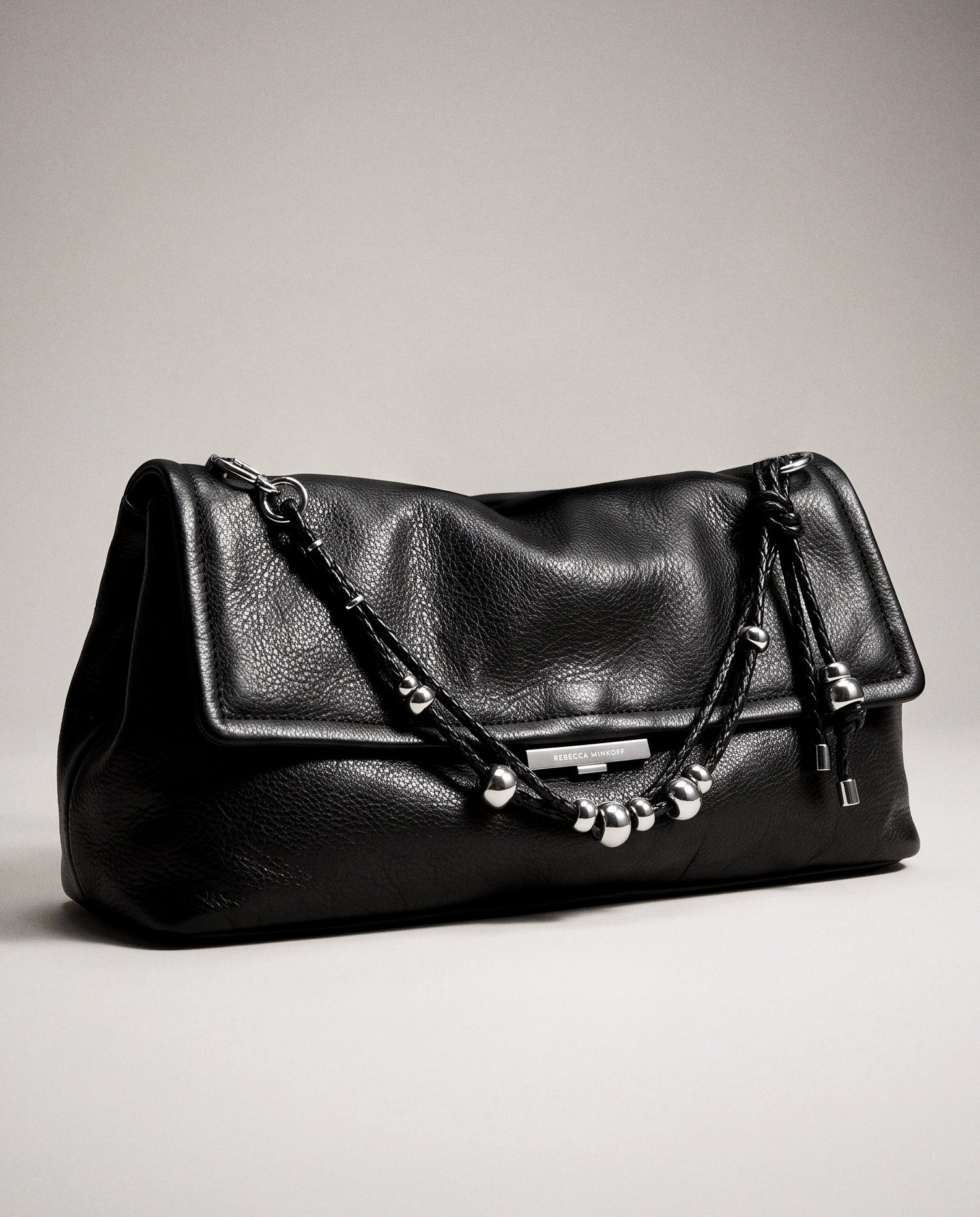
Rebecca Minkoff‘s bag lineup includes recognizable styles such as the Lennox and the Delancey, each representing a different approach to everyday carry. The Lennox leans into a structured, tote-like silhouette suited to a laptop or daily essentials. The Delancey, by comparison, offers a more compact shape associated with the brand’s early identity in crossbody and satchel designs.
Both styles illustrate how the label builds around recurring shapes while refreshing them through color, texture, and hardware. That approach lets a shopper find a familiar silhouette season after season, even as finishes change. It also gives the collection a sense of continuity that stands out among newer, less established labels.
Beyond Handbags: Outerwear and Seasonal Collections
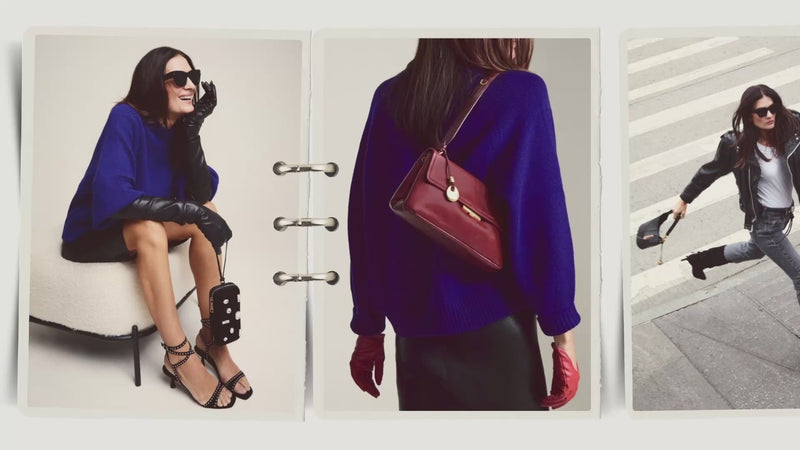
The label’s range extends well past bags into outerwear, including jackets built with the same edgy sensibility found in its accessories. Moto-style leather jackets, in particular, have long been associated with the brand’s aesthetic, pairing hardware details with fitted cuts. Seasonal drops typically bring updated colorways and fabric treatments to these core outerwear shapes.
This expansion into apparel means the brand functions less like a single-category label and more like a lifestyle collection. As a result, a shopper can build a look around one point of view rather than mixing pieces from unrelated sources. That cohesion is part of what distinguishes a full designer accessories range from a narrower handbag specialist.
Seasonal Trends in Rebecca Minkoff Collections: From Animal Print to Statement Details
Seasonal collections frequently draw on recurring trend themes, and animal print has appeared repeatedly across bags and accessories in recent seasons. Statement hardware, such as oversized zippers or logo-engraved clasps, also shows up as a way to mark a bag as current. These details often migrate across categories, appearing on both handbags and small leather goods within the same season.
Color stories shift as well, with seasonal palettes moving between neutral tones and bolder, saturated shades. This rotation keeps the designer handbags and accessories offered by the brand aligned with broader fashion cycles. It also gives returning shoppers a reason to revisit the collection each season rather than treating a single bag purchase as a one-time decision.
The Brand’s Aesthetic: Edgy, Modern, and Versatile
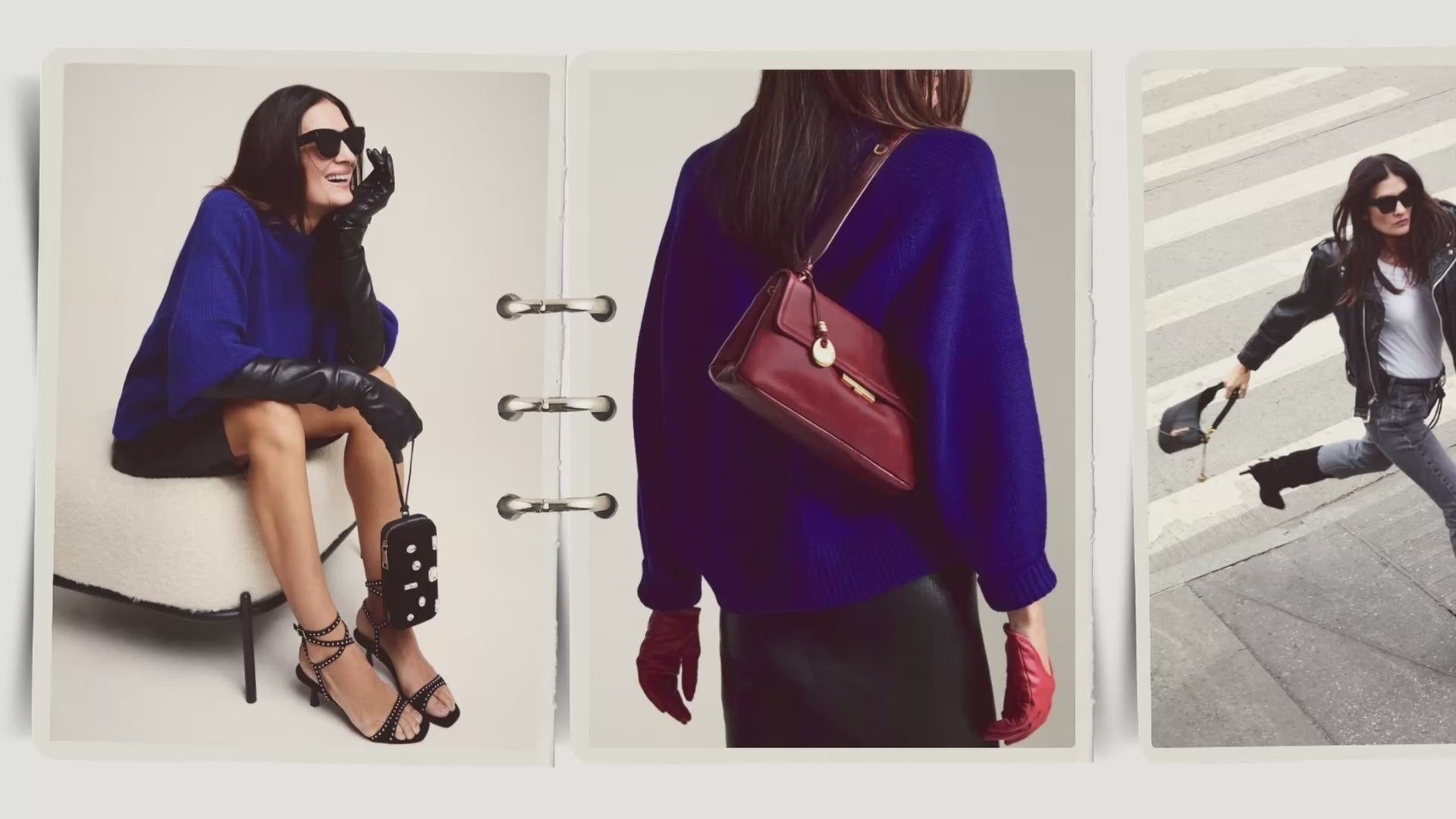
Rebecca Minkoff has long been associated with an aesthetic that mixes downtown edge with wearable, modern shapes. Hardware accents, studs, and zipper details recur across its bags and jackets, giving the collection a consistent visual language. That signature has helped the label stand apart from softer, more traditional luxury houses.
Versatility is another defining trait, since many pieces are designed to move between casual and dressed-up contexts. A crossbody bag built for daytime errands can often transition into an evening-appropriate accessory with minimal styling effort. This flexibility is part of why the brand continues to resonate with shoppers seeking designer handbags and accessories that do not require a wardrobe built around them.
Shopping the Full Range of Designer Accessories
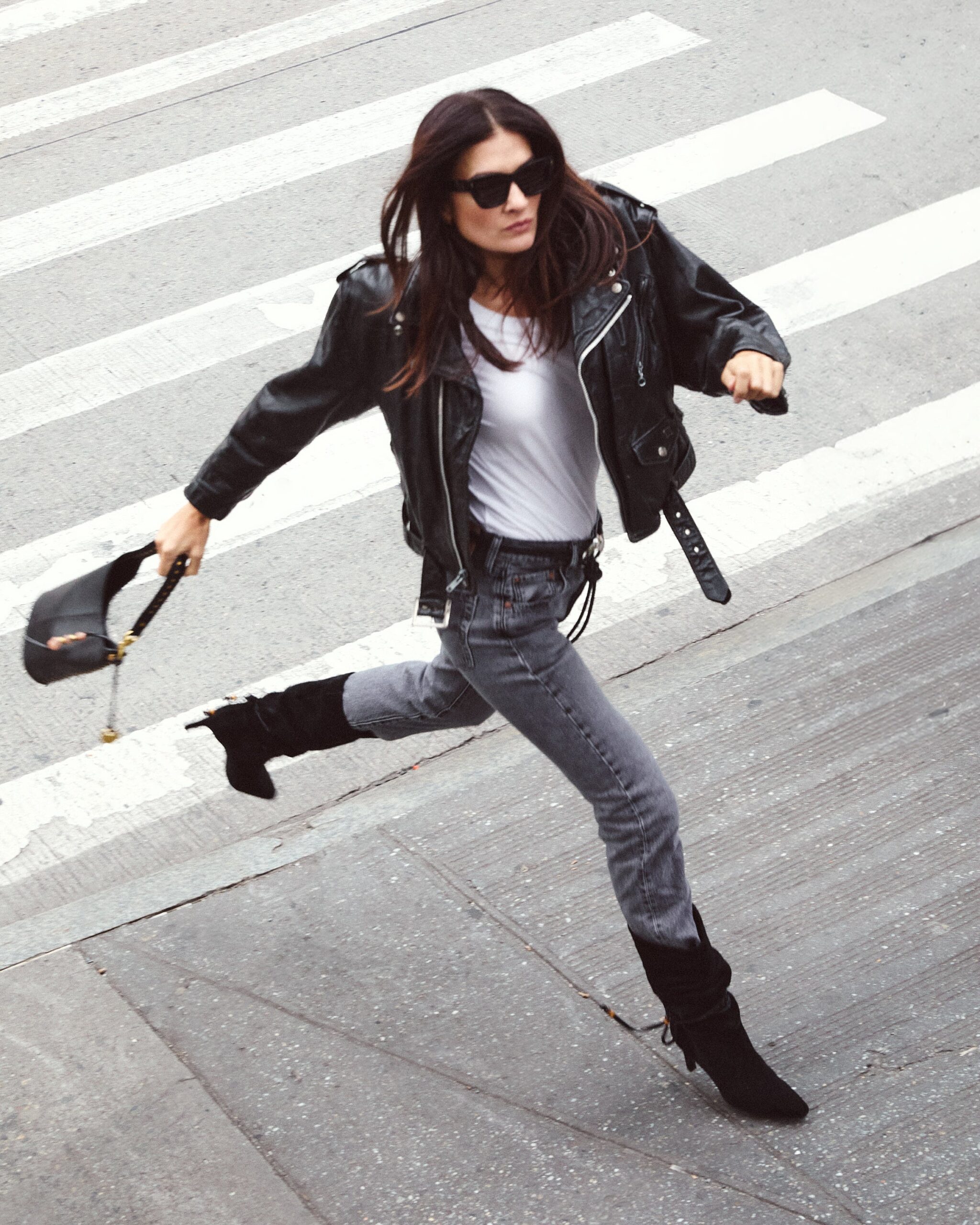
Exploring the brand’s full assortment means looking past handbags alone, since outerwear, footwear, and small accessories all contribute to the overall collection. The range reflects how the label positions itself as more than a single-product business. Each category draws on the same design cues, which keeps the assortment visually connected.
- Handbags remain the core of the collection, spanning totes, crossbodies, and satchels.
- Outerwear, including leather and moto-style jackets, extends the brand’s aesthetic into apparel.
- Footwear rounds out seasonal collections with boots and sandals that echo the hardware details found on bags.
- Small leather goods, such as wallets and pouches, offer accessory options at a smaller scale.
- Seasonal capsule pieces tie these categories together under a shared color and trend story.
Shoppers interested in exploring the collection can review the current assortment directly through Rebecca Minkoff‘s own offerings, where bags, outerwear, and accessories are presented together. Browsing across categories makes it easier to see how the brand’s design language carries from a handbag to a jacket or a pair of boots. That cross-category view is often the clearest way to understand where the label fits among designer handbags and accessories brands more broadly.
Rebecca Minkoff‘s place in the accessories market comes from this consistency across categories rather than any single standout product. The label continues to update recognizable shapes while expanding into apparel and footwear that share its signature edge.