

Shoppers browsing wellness platforms often repeat the same supplement mistakes without realizing it, from skipping ingredient panels to ignoring how a bottle has been stored before it reaches a shelf. These habits are easy to overlook because they feel like minor details rather than real risks. The sections below walk through five of the most common missteps and how a retailer like iHerb approaches quality and transparency around them.
Mistaking Product Reviews for Verified Ingredient Testing
Star ratings and written reviews feel like proof that a supplement works, but they describe personal impressions, not laboratory results. A product with tens of thousands of reviews can still contain ingredients that were never independently verified for purity or potency. This is one of the more common supplement mistakes because reviews are visible and persuasive, while testing documentation usually is not.
iHerb addresses this gap directly through its Quality Promise, which lists authentic products and tested ingredients as separate commitments from customer feedback. Treating these as two different layers of trust, rather than one, helps separate marketing sentiment from the verification a shopper might actually be looking for.
The Storage and Freshness Problem: Why iHerb’s Quality Promise Matters
Supplements degrade when exposed to heat, humidity, or prolonged shelf time, and freshness is rarely something a listing page communicates on its own. A capsule that looks identical to one purchased months earlier may have lost potency simply from how it was warehoused in between. That is why preserved freshness appears as its own stated pillar within the Quality Promise, alongside authenticity and testing.
Overlooking storage conditions is an easy oversight because it is invisible at the point of purchase. A product line such as California Gold Nutrition, for example, spans foods, baby nutrition items, and other formats, each of which carries different sensitivity to handling and shelf time. Buying from a platform that names freshness as a defined promise, rather than leaving it to chance, reduces one layer of uncertainty in that purchase.
Overlooking Dosage Standards in California Gold Nutrition and Similar Brands
Not every brand formulates to the same dosage conventions, and assuming otherwise is one of the quieter mistakes shoppers make. A biotin tablet from one label and a DHA formula from another are not interchangeable just because they sit in the same supplement aisle online. California Gold Nutrition, for instance, carries product lines ranging from Baby’s DHA with Omega-3s and Vitamin D3 and EPA to snack bars sold in multi-count packs, each built around a different formulation entirely.
Because iHerb carries more than 50,000 health and wellness products from a wide range of trusted brands, dosage and format differences across that catalog are significant. Reading the specific label for the specific product, rather than generalizing from a previous purchase, remains the more reliable approach.
Confusing Authenticity with Efficacy: What iHerb’s Tested Ingredients Actually Guarantee
Authenticity means a product is genuinely what its label claims it to be and has not been counterfeited or substituted. Efficacy is a separate question about whether an ingredient, at a given dose, produces the effect a shopper expects. Conflating the two is a frequent source of supplement mistakes, since an authentic product is not automatically the right fit for every individual’s goals.
The stated commitments on the platform, authentic products and tested ingredients among them, speak to sourcing and verification rather than to personal outcomes. That distinction matters because a tested, authentic bottle of vitamins still needs to match what a particular shopper is actually trying to address.
Ignoring Supplement Interactions and Personal Health Factors

A supplement that is perfectly safe for one person can interact with medication or existing conditions in another. This is less about the retailer and more about the individual research a shopper carries out before adding anything new to a routine. It is also one of the more consequential supplement mistakes, since the result is a health question rather than a simple return request.
Platforms offering tens of thousands of items, as iHerb does, place the weight of that decision on the person doing the ordering. Ingredient lists are visible on every listing, which at least gives a starting point for comparing what is actually inside a given formula.
- Overlooking return policies before ordering a new supplement can turn a simple mistake into a lasting inconvenience.
- Skipping the ingredient list in favor of the front-of-label marketing claims leaves gaps in what a shopper actually knows about a product.
- Assuming all brands sold on a single platform meet identical dosage or formulation standards ignores real differences between product lines.
- Buying a new supplement without checking it against current medications or health conditions adds unnecessary risk to the purchase.
- Treating a stated returns policy as an afterthought rather than a point worth confirming before checkout removes a useful safeguard.
Reading Labels Before Adding to Cart
Many of the supplement mistakes described above share a single root cause, which is moving through a purchase faster than the label can be read. A dosage figure, a storage instruction, or a short ingredient note printed near the bottom of a listing often holds the exact detail that separates a suitable purchase from a mismatched one. Slowing down at that stage costs little and avoids the larger inconvenience of a return or a wasted bottle.
iHerb‘s listings carry ingredient panels alongside the brand’s own stated quality commitments, which gives a shopper two separate sources to check before finalizing an order. Comparing those two sources, rather than relying on one, is a habit that applies well beyond a single purchase.
Building Better Habits Around Supplement Shopping
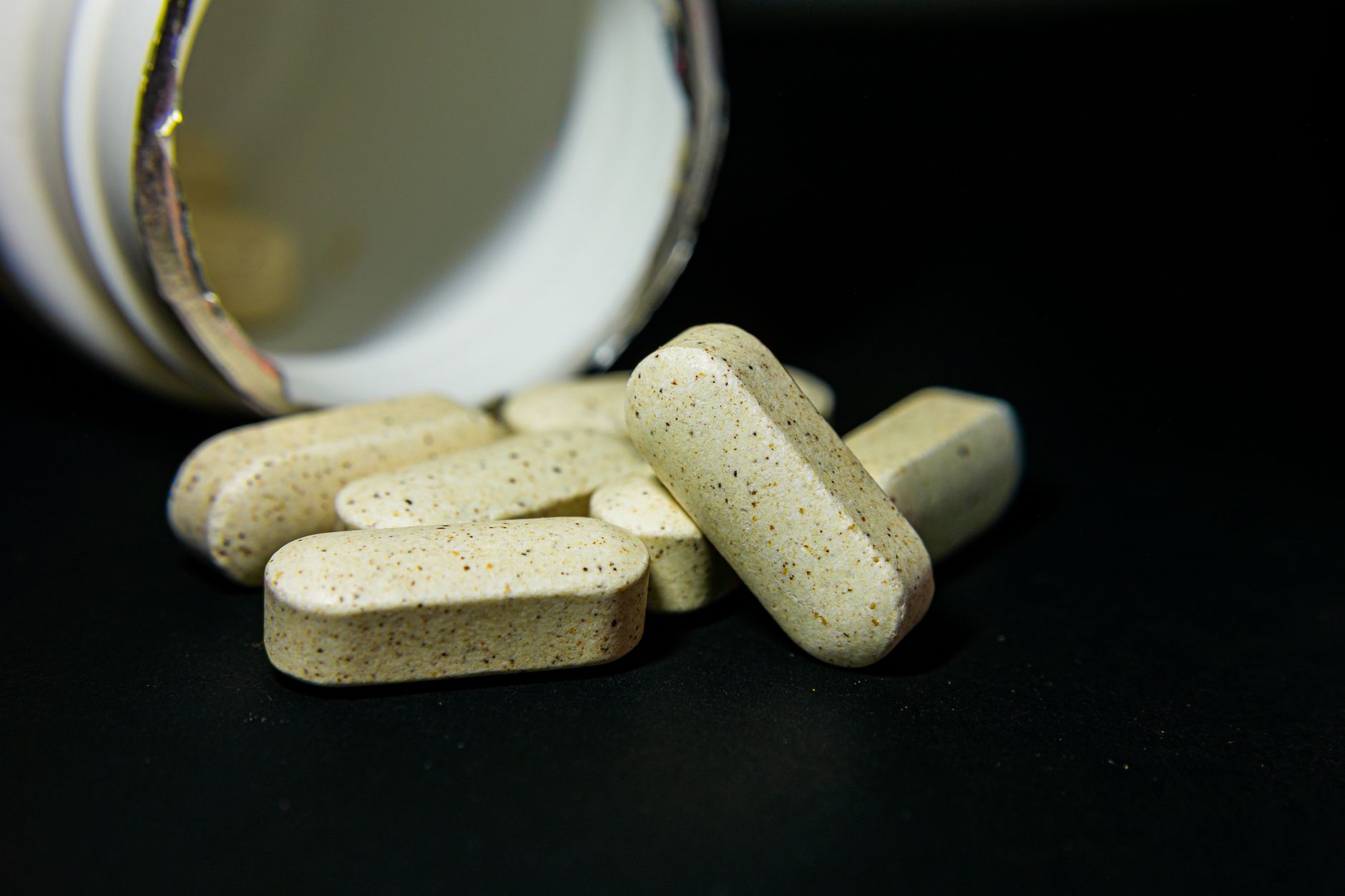
Avoiding these pitfalls is less about memorizing rules and more about slowing down before adding an item to a cart. Checking ingredient panels, confirming dosage, and reviewing a seller’s stated quality commitments all take only a few extra moments. Over time, that small pause becomes the real difference between an informed purchase and a repeated mistake.