
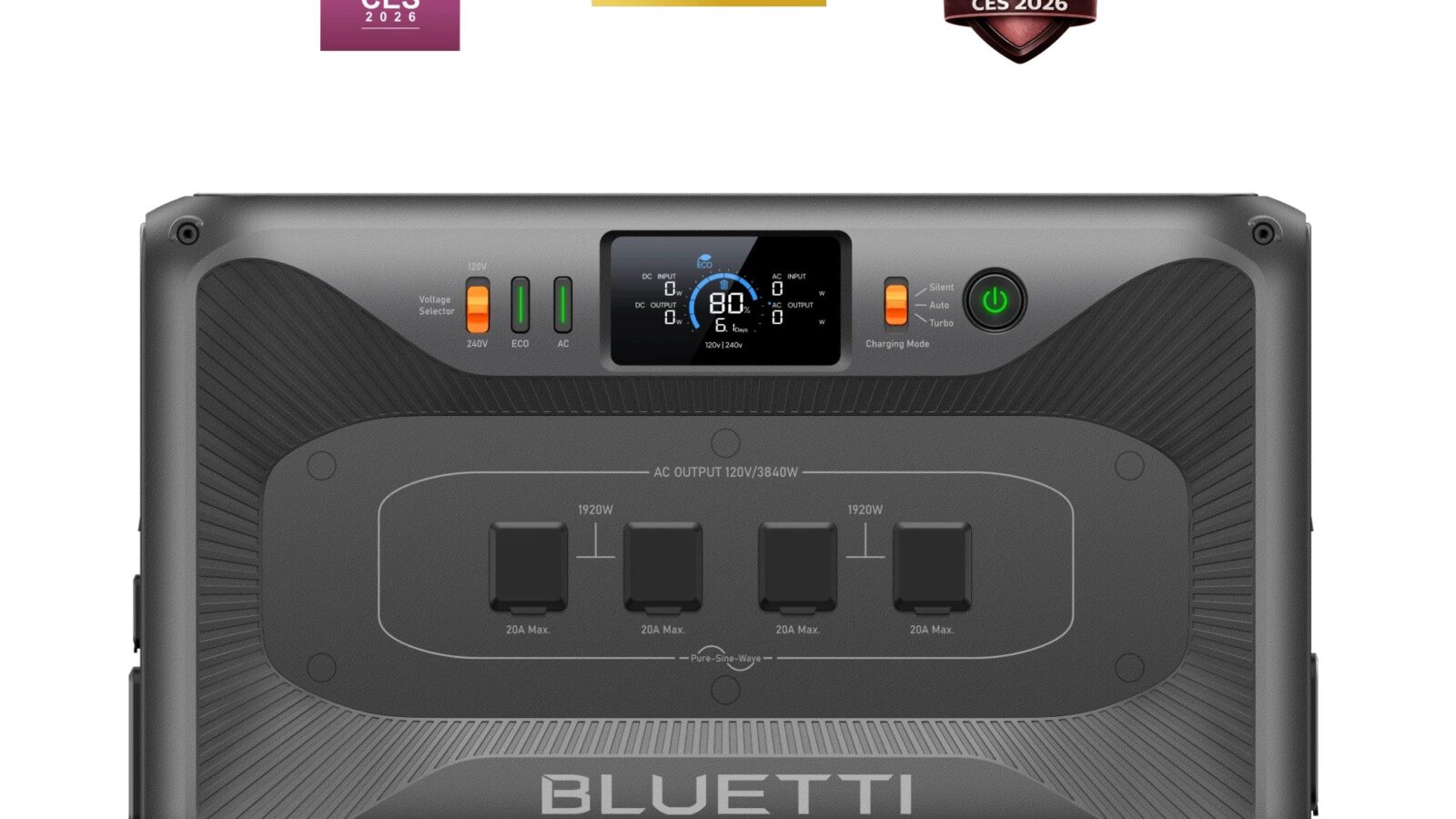
Not every household or road trip needs a massive battery bank. For many shoppers, budget portable power stations cover the essentials without paying for capacity that goes unused. Bluetti builds several models specifically for that purpose, pairing smaller battery sizes with the output needed for everyday devices and short outages.
Understanding BLUETTI’s Portable Power Station Lineup
Bluetti organizes its range around distinct product lines rather than a single catalog of similar boxes. The Elite series spans several sizes, from the compact Elite 30 V2 and Elite 100 V2 up through the Elite 200 V2, Elite 300, and Elite 400. Alongside these sits the AC180, a standalone solar portable power station with its own output and recharging profile. Each model targets a different combination of weight, capacity, and output, which is what lets smaller budget portable power stations match smaller, more focused power needs.
BLUETTI Elite 100 V2 and Elite 30 V2: Compact, Lightweight Options
The Elite 100 V2 weighs around 25 lbs and uses a 17L design with a hidden handle, making it easy to carry for camping or short emergencies. It delivers 1,800W of output with 1,024Wh of capacity, and its 1,200W AC TurboBoost feature can bring it to 80% charge in 45 minutes. A 1,000W solar input with built-in MPPT allows a full charge in around 70 minutes under the right conditions. This model is built for mobility first, trading some capacity for a lighter footprint.
The Elite 30 V2 sits even smaller, with 600W rated power, 1500W lifting power, and 288Wh of capacity. It includes a pro-grade UPS backup rated at 10ms or less, which switches to battery fast enough to protect sensitive electronics during an outage. A 140W PD fast charging port also allows laptops and tablets to draw power directly. Both of these units show how Bluetti applies the same core approach, lithium iron phosphate batteries and multiple charging paths, at a much smaller and lighter scale.
Everyday Value: The BLUETTI Elite 200 V2 and AC180
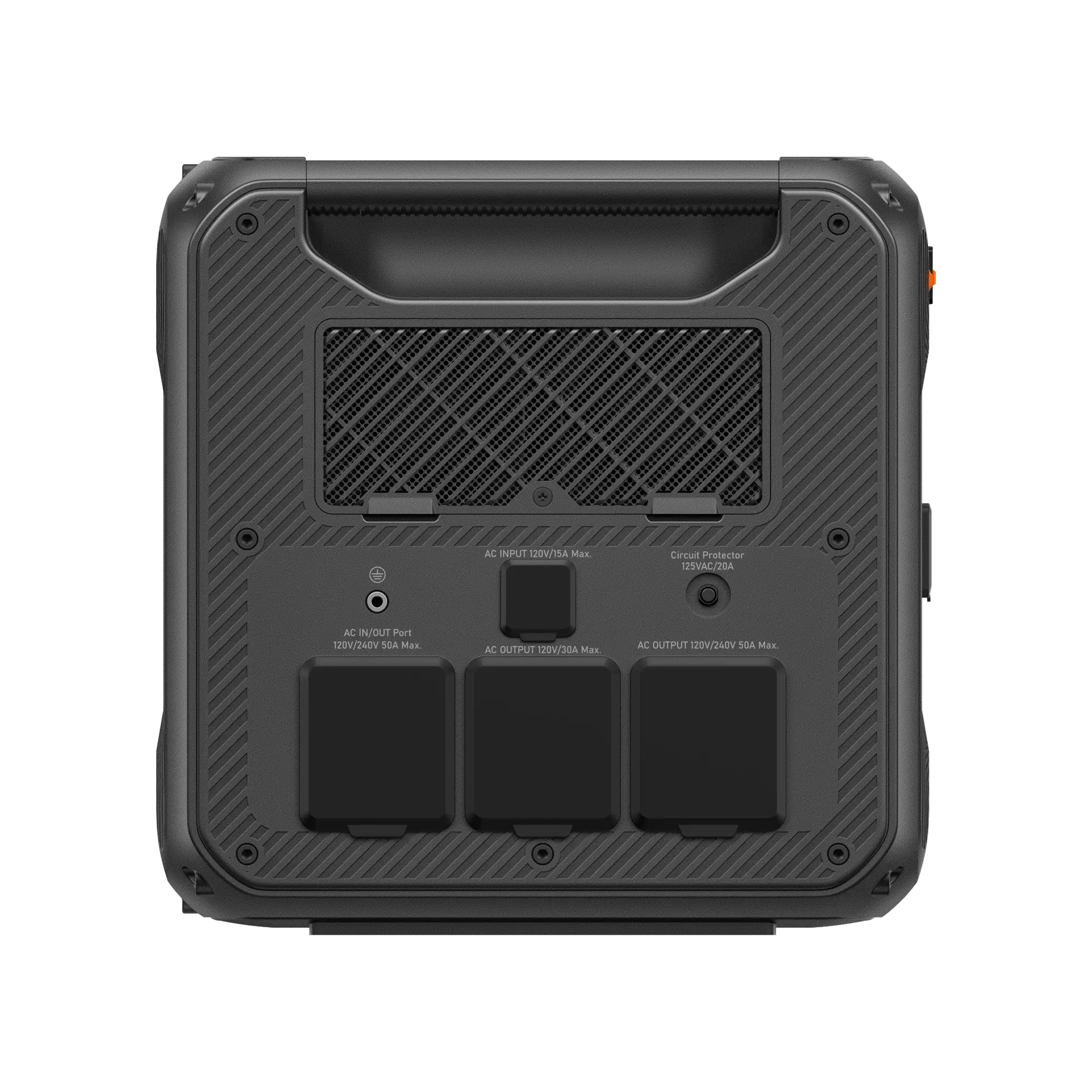
Stepping up slightly, the Elite 200 V2 offers 2,600W of output paired with 2,073.6Wh of capacity, giving it noticeably more headroom for running several devices at once. This places it between the smallest Elite units and the larger home-backup-oriented models in the lineup. It keeps the same LiFePO₄ battery chemistry used across the range, which separates these stations from older battery types.
The AC180 takes a slightly different specification path, with 1,800W AC output and a 2,700W Power Lifting Mode for brief surges. Its 1,152Wh capacity is described as larger for its class, and it includes nine output ports to connect multiple devices at once. It supports four recharging methods, AC, solar, car, and generator, and can go from 0 to 80% in 45 minutes with 1,440W AC input. Smart control through an app allows status checks remotely rather than relying on the unit’s own display alone.
Expandable Systems: BLUETTI Elite 300 for Growing Needs
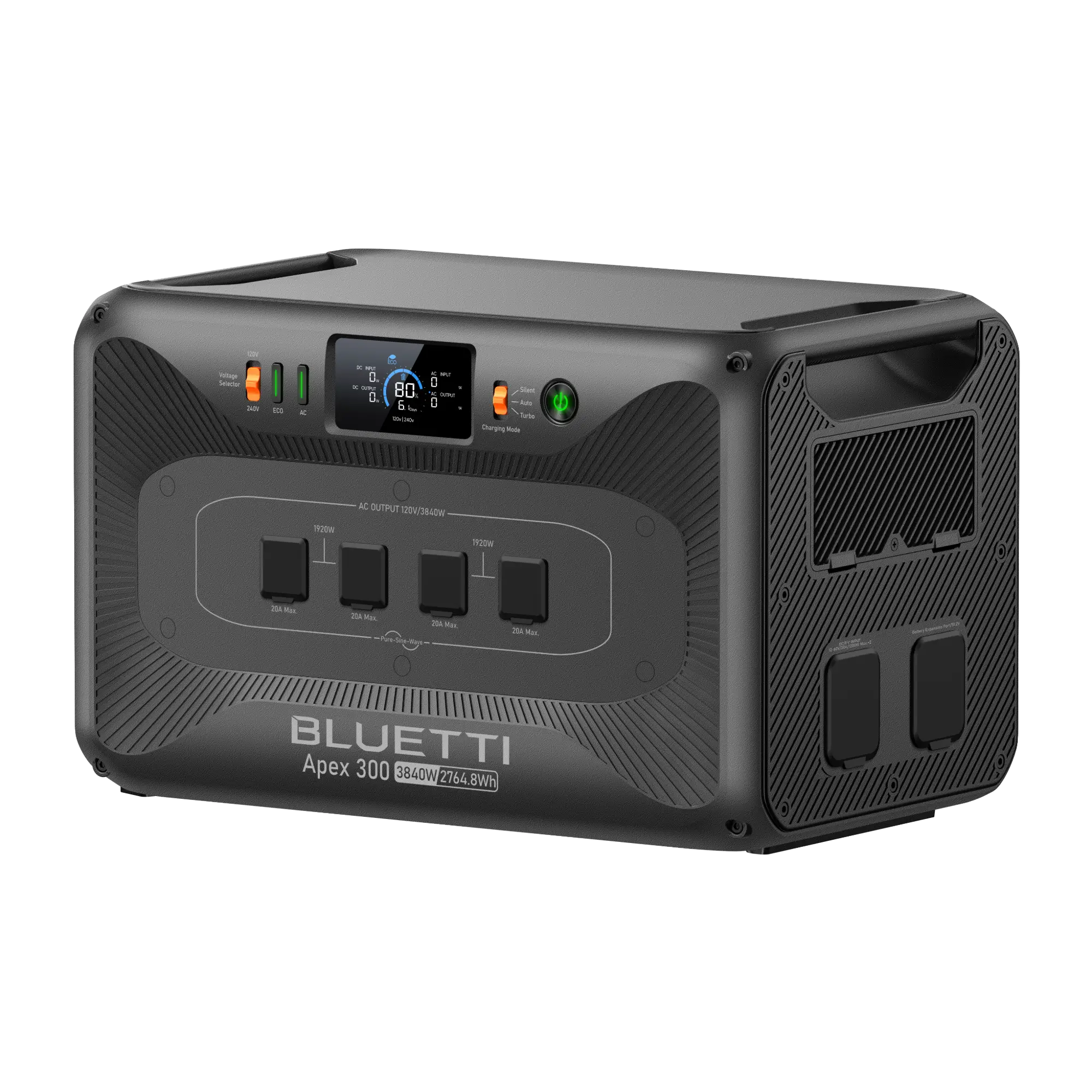
The Elite 300 is described as the world’s smallest 3 kWh portable power station, built into a body sized closer to a 2 kWh unit. It delivers 2,400W of output, with a 4,800W lifting capability for heavier loads such as microwaves or space heaters. Its 3,014Wh capacity makes it suitable for both RV use and home backup, helped along by a TT-30 RV outlet and a 12V/30A DC port for lights and small appliances.
On top of that, the Elite 300 includes a UPS switchover of 10ms or less, which keeps items like security systems or aquarium pumps running through brief outages. App control over Bluetooth and Wi-Fi allows monitoring of energy use and remote wake functions. Bluetti positions the Elite 300 as a flexible option, one capable of expanding into broader home backup setups through separate accessory kits, without requiring the larger, higher-output Apex series.
Key Capacity and Output Specifications Across Models
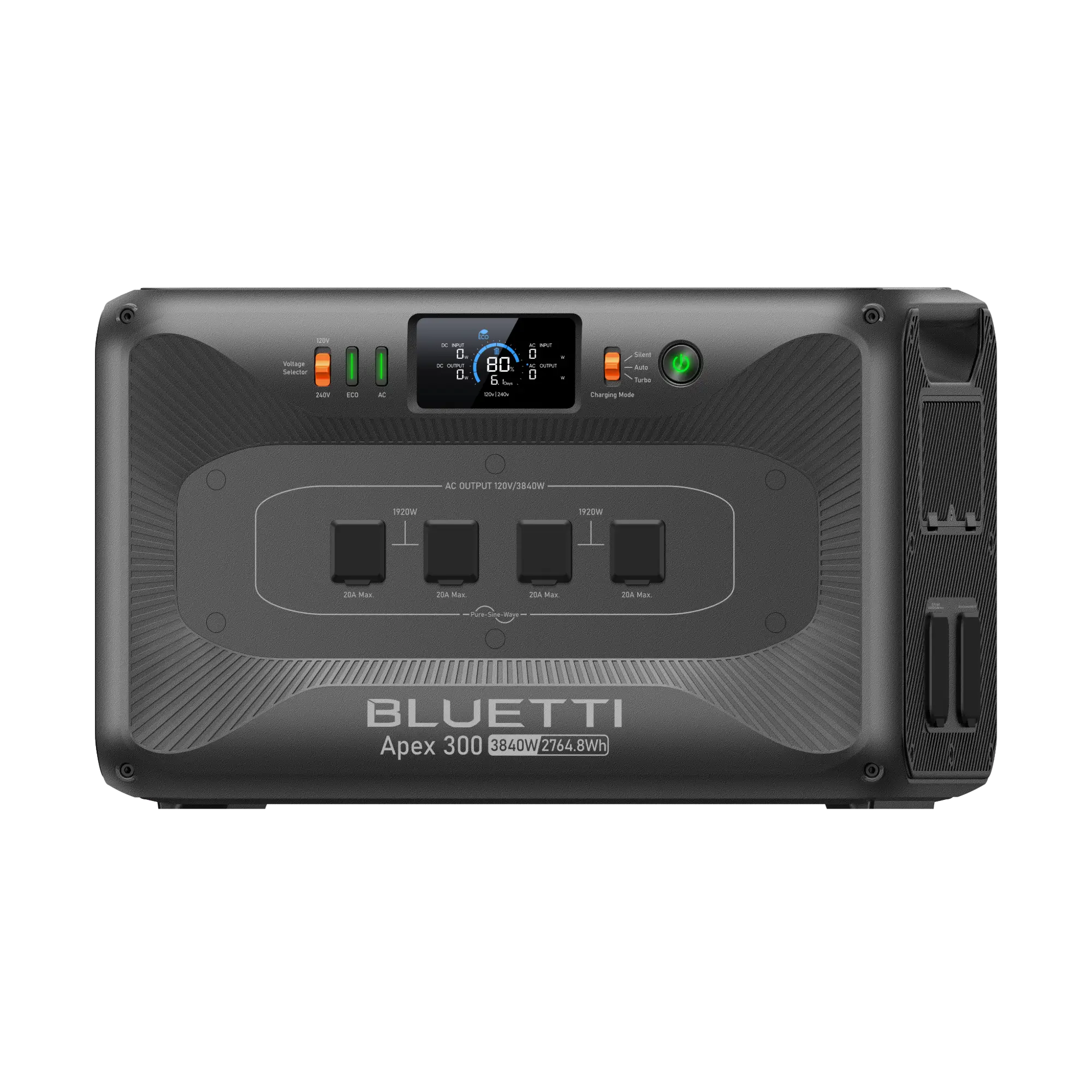
Lining up the specs side by side makes the differences between these smaller stations easier to follow. Output ranges from 600W on the Elite 30 V2 up to 2,600W on the Elite 200 V2, while capacity climbs from 288Wh to just over 3,000Wh on the Elite 300. That spread lets a household or traveler match wattage and runtime to actual appliances rather than guessing, which is the core appeal of smaller, budget portable power stations in general.
- The Elite 30 V2 delivers 600W rated power with 1500W lifting power and 288Wh of capacity.
- The Elite 100 V2 offers 1,800W output, 1,024Wh capacity, and a 17L lightweight build near 25 lbs.
- The AC180 provides 1,800W AC output, a 2,700W Power Lifting Mode, and 1,152Wh of capacity across nine output ports.
- The Elite 200 V2 reaches 2,600W output with 2,073.6Wh of capacity.
- The Elite 300 supplies 2,400W output, 4,800W lifting power, and 3,014Wh of capacity with RV-ready connections.
- All of these models rely on LiFePO₄ battery chemistry rather than older lithium-ion formats used in some competing units.
Where BLUETTI Portable Power Stations Fit Common Budgets
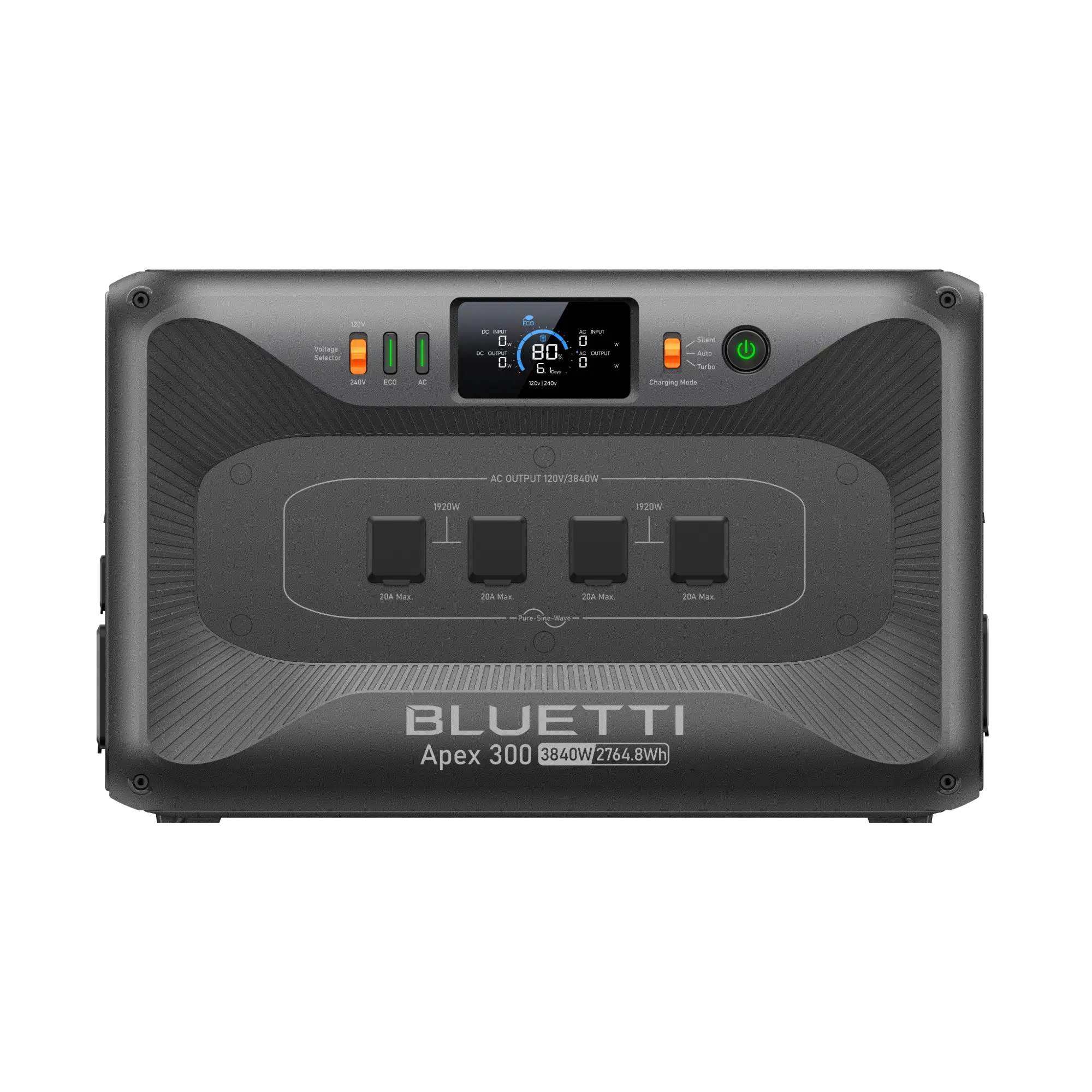
None of these models attempt to replace the larger Apex series, which Bluetti builds for whole-home backup and expandable storage reaching far higher capacities. Instead, the Elite 30 V2, Elite 100 V2, Elite 200 V2, AC180, and Elite 300 cover smaller-scale needs. That includes short outages, device charging on the move, and backup for a handful of essential appliances rather than an entire house. Compact portable power stations in this group remain distinct from the whole-home systems the brand also sells, and the offer at a retail partner lists these models together for comparison.
A household mainly concerned with keeping a phone, a router, and a few lights running already has plenty of ground covered by the smaller Elite units and the AC180. A household with a refrigerator or sump pump to account for may find the Elite 300 more relevant, given its higher lifting power. Either way, the specifications above make the differences between models easy to compare against a list of devices.
Matching output and capacity to real appliances, rather than chasing the largest number on a spec sheet, remains the simplest way to think about this part of the lineup.