

Luxury beauty counters can feel overwhelming to someone encountering them for the first time, with dozens of jars, serums, and compacts promising different results. Understanding how a long-established name built its reputation helps make sense of what premium skincare and makeup actually means in practice. Estee Lauder offers one useful case study because its history traces directly to the earliest days of the modern beauty industry.
The Origins of Estée Lauder: From Face Creams to Full Beauty Range
Estee Lauder began as a company focused on face creams, long before cosmetics houses offered the sprawling catalogs seen now. That early focus on skin formulation gave the brand a foundation it later built on as it expanded into color cosmetics, fragrance, and haircare. The origin story matters because it explains why skincare still sits at the center of the brand’s identity rather than existing as an afterthought.
Over time, the company grew from a single cream into a full range spanning moisturizers, serums, foundations, and treatment products. That expansion did not happen all at once. Instead, it reflects decades of incremental additions, each built on research and formulation work tied back to the original skincare mission.
What Separates Premium Skincare from Mass-Market Alternatives
Premium skincare and makeup typically involve different sourcing, testing, and formulation priorities than mass-market lines. Ingredient concentration, packaging technology, and research investment all factor into how a product is developed and priced. These differences do not guarantee superiority in every case, but they do shape the overall experience and positioning of a brand in the market.
Consumers new to luxury beauty often notice differences in texture, scent, and application feel before anything else. Formulation complexity, such as layering actives or stabilizing delicate ingredients, often requires more advanced manufacturing processes. That complexity is part of what separates premium skincare and makeup from simpler, high-volume alternatives found in drugstores.
Makeup and Skincare: How Estée Lauder Combines Both Categories
Many luxury beauty houses treat skincare and makeup as separate departments, but Estee Lauder has historically positioned them as connected categories. Foundations and treatment products often share ingredient philosophies, since the brand’s makeup lines frequently emphasize skin-caring benefits alongside color payoff. This overlap reflects a broader trend across the premium beauty market, where the line between skincare and cosmetics continues to blur.
For someone building a first routine, this combination can simplify decision-making. Rather than treating a foundation purely as color correction, it can also be considered alongside hydration or finish preferences. That dual purpose is part of what distinguishes a long-established skincare-rooted brand from newer makeup-only labels.
The Holiday Blockbuster Set: A Curated Introduction to Estée Lauder’s Core Products

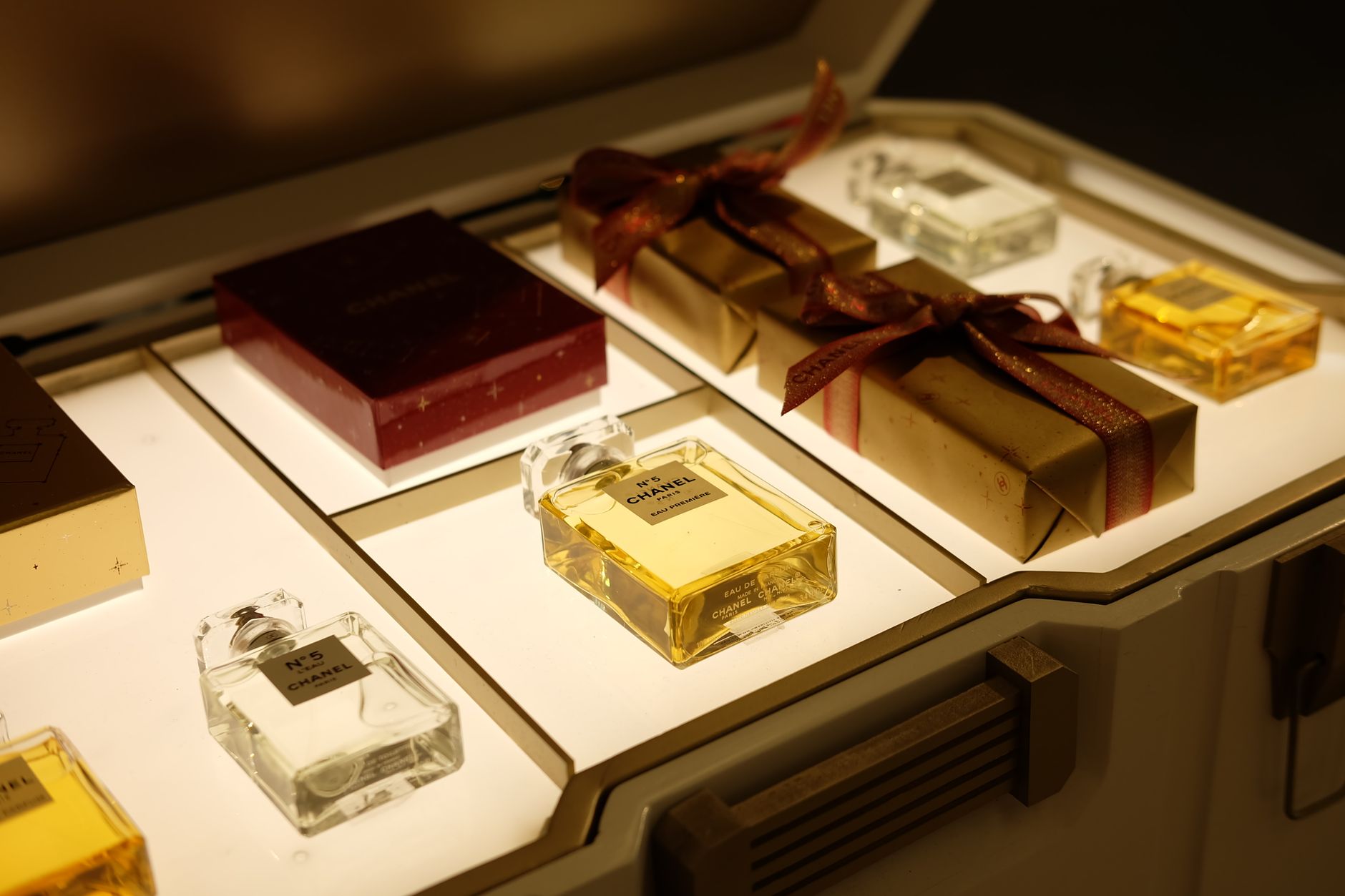
Seasonal gift sets, often called blockbuster sets within the beauty industry, serve as curated samplers of a brand’s most recognized items. These sets typically bundle a signature moisturizer, a serum, and a few cosmetics or fragrance miniatures into one package. For newcomers, this format offers a way to sample multiple product categories without committing to full sizes of each one individually.
The appeal of a curated set lies in its structure rather than novelty. It introduces several categories at once, letting someone compare textures and finishes across skincare and makeup side by side. That structure makes seasonal sets a practical entry point into a brand’s broader catalog.
Building a Skincare and Makeup Routine: Where Estée Lauder Fits In
A typical routine involves cleansing, treatment, moisturizing, and then makeup application, in that general order. Premium skincare and makeup brands often design products to fit into this sequence, with lighter serums applied before heavier creams and makeup layered last. Estee Lauder‘s range spans each of these steps, which allows a full routine to be built from within a single product ecosystem if desired.
Understanding where a product fits in that sequence matters more than brand loyalty alone. A rich night cream, for example, serves a different purpose than a lightweight daytime lotion. Recognizing these functional distinctions helps clarify why luxury lines often release multiple products that seem similar but target different times of day or skin needs.
- Moisturizers and creams form the core of most skincare lines, addressing hydration and barrier support.
- Serums typically target more specific concerns, such as fine lines or uneven tone, and are applied before heavier creams.
- Foundations and concealers make up the base makeup category, often formulated with skin-caring ingredients.
- Eye and lip products, including mascaras and lipsticks, round out a typical color cosmetics lineup.
- Fragrance lines frequently accompany skincare and makeup ranges, extending a brand’s identity beyond the face.
Why Heritage and Formula Matter in Premium Beauty Brands
Decades of formulation history give an established company a different kind of credibility than a newly launched label. Estee Lauder‘s continuous presence in the skincare category means its formulas have been refined and tested across a long span. That history does not replace the need for individual product research, but it does explain why some consumers gravitate toward brands with longer track records.
Formula consistency also plays a role in how a brand is perceived within the premium skincare and makeup space. Reformulations happen, but a brand built on a recognizable core product tends to maintain certain identifiable traits over time. That continuity is part of what differentiates heritage brands from newer entrants still establishing their formulation identity.
Heritage alone does not define quality, but it does provide context. Combined with ingredient transparency and category breadth, a long history helps explain why certain names remain fixtures in department stores and beauty counters.