
Picking between two phones from the same generation often comes down to a handful of concrete differences rather than marketing language. The Galaxy S26 Ultra vs FE question matters most to people who already know what a refresh rate, a telephoto sensor, or a charging wattage figure changes in daily use. Someone editing video on a commute, or shooting a concert in low light, needs different answers than someone simply comparing screen sizes in a store. Both phones sit in the same generation, but the parts inside each one tell a different story.
Samsung Galaxy S26 Ultra: Flagship Architecture and Processing Power
The Galaxy S26 Ultra sits at the top of the current Samsung smartphone range, alongside the Galaxy S26+ and the Galaxy S26. The brand’s own product pages list the Galaxy S26 Ultra first among the S26 family, positioning it as the reference device for the generation, and group it alongside the S26+, the S26, and the Galaxy S26 FE for direct comparison in the same listings. That ordering is not just cosmetic. In flagship lineups generally, the top model tends to carry the fullest sensor array, the most premium materials, and the first rollout of new processing features, with everything below it built as a variation on that base.
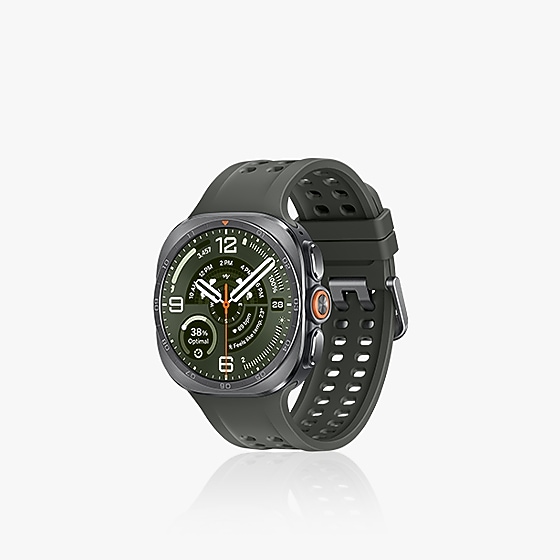
Samsung‘s own buying pages also list promotional offers tied to a purchase of the Galaxy S26 Ultra, including reduced pricing on accessories such as the Galaxy Watch Ultra2 and Galaxy Buds4 Pro. These are presented as limited-time purchase incentives rather than items included as standard in the box. For someone weighing raw capability in the Galaxy S26 Ultra vs FE decision, the Ultra is consistently presented as the most complete option on these pages, with the FE positioned as a separate, lighter configuration rather than a smaller version of the exact same device.
Samsung Galaxy S26 FE: Stripped Features and Practical Trade-offs
The Galaxy S26 FE occupies a different spot within the same generation. It is not an older device carried over from a previous cycle. The FE naming has historically pointed to a version built around practical trade-offs, where a handful of flagship-only extras are removed so the rest of the phone stays familiar.
For experienced users, that raises a specific question worth sitting with. Which flagship elements survive the move to a more accessible model, and which ones get trimmed first? In flagship-to-FE transitions generally, the items most often reduced are the number of rear cameras, the length of optical zoom, and the ceiling on charging speed, while the core processor and the display technology tend to carry over largely intact. That pattern is exactly what makes a Galaxy S26 Ultra vs FE comparison a genuine trade-off rather than a simple step down. Samsung integrates these decisions deliberately across its product range, balancing capability with practical accessibility in different market segments.
Display Technology: AMOLED Scaling Across the S26 Range
The S26 family is built around AMOLED display technology, a consistent thread across the Ultra, the S26+, the S26, and the FE. The way that technology scales across screen sizes and panel treatments is what separates the models in practice, even when the underlying display type stays the same. Refresh rate ceilings, peak brightness, and panel curvature are the usual points where a flagship and its FE sibling part ways, even while both are marketed under the same AMOLED label.
Because display quality affects nearly every interaction with a phone, from reading text to watching video, it is one of the first things power users check when comparing models side by side. Samsung‘s own comparison tooling places all four S26 devices next to each other specifically so panel-level differences can be checked directly, rather than assumed from the shared display technology name.
Camera Systems and Computational Photography Differences
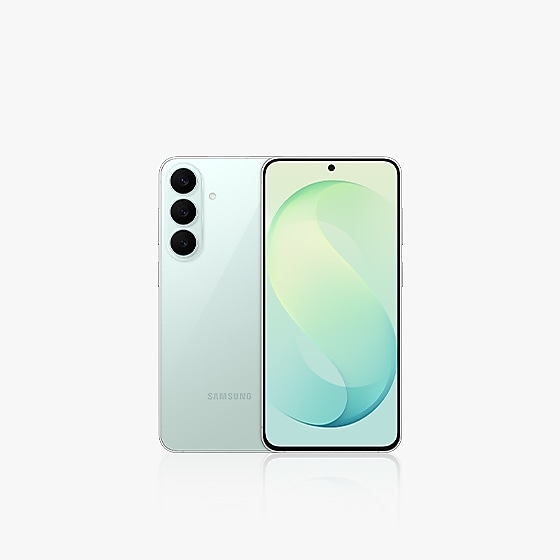
Camera hardware is one of the clearest places where the Ultra and the FE diverge within the same generation. Flagship models in this category typically carry an additional telephoto lens and a longer optical zoom range, paired with a larger primary sensor for low-light capture. FE models usually keep a simpler rear array, trading one or two lenses for a more compact overall footprint without dropping the generation’s core camera software.
Computational photography features, including AI-assisted scene processing, are part of how newer Galaxy devices are framed generation over generation. However, the exact mix of sensors and software-driven camera modes is rarely identical across a flagship and its FE counterpart. That is why checking each device’s individual feature list remains worthwhile before assuming the two behave the same behind the lens.
- Flagship models in this class typically add an extra telephoto lens and longer zoom range compared with their FE counterpart.
- The primary rear sensor on a flagship model is usually larger than the one fitted to the corresponding FE device.
- AMOLED display technology is shared across the S26 range, though screen size, refresh rate, and brightness ceilings differ by model.
- Promotional offers on accessories such as the Galaxy Watch Ultra2 and Galaxy Buds4 Pro are tied to a purchase of the Ultra rather than included as standard contents.
- Software features built on One UI and AI-assisted processing extend across the family, even where the underlying camera or battery hardware does not match.
Battery Capacity and Charging Speed in S26 Models
Battery behavior is another area treated as a family trait rather than one uniform spec across the lineup. Flagship phones in this category generally support a higher peak wired charging wattage than their FE counterparts, which can mean a noticeably shorter time plugged in before heading out. Battery capacity itself tends to track screen size fairly closely, so the larger Ultra chassis usually houses a larger cell than the more compact FE body.
For someone deciding between the Galaxy S26 Ultra and the FE for longer trips or heavier daily use, checking the battery and charging listing for each individual model remains the most reliable approach, since no single figure applies evenly across the whole range. Samsung publishes these specifications on each product page for direct reference.
Software and AI Feature Parity Across Galaxy S26 Devices
The Galaxy S26 lineup ties its devices together through One UI and a shared set of AI-assisted features referenced across marketing for the generation. Smart Switch is also offered as a way to move data when upgrading between Galaxy devices, a detail that applies across the lineup rather than to one model alone. These software elements connect the Ultra and the FE as members of the same family, even where the hardware underneath diverges.
Image material shown on official marketing pages is noted in places as simulated, so actual on-screen behavior can differ from what appears in promotional material. That caveat is worth keeping in mind regardless of which side of the Galaxy S26 Ultra vs FE comparison someone leans toward, since software screenshots are not always a literal preview of daily use.
What separates these two phones comes down to which practical trade-offs align with individual usage patterns.