
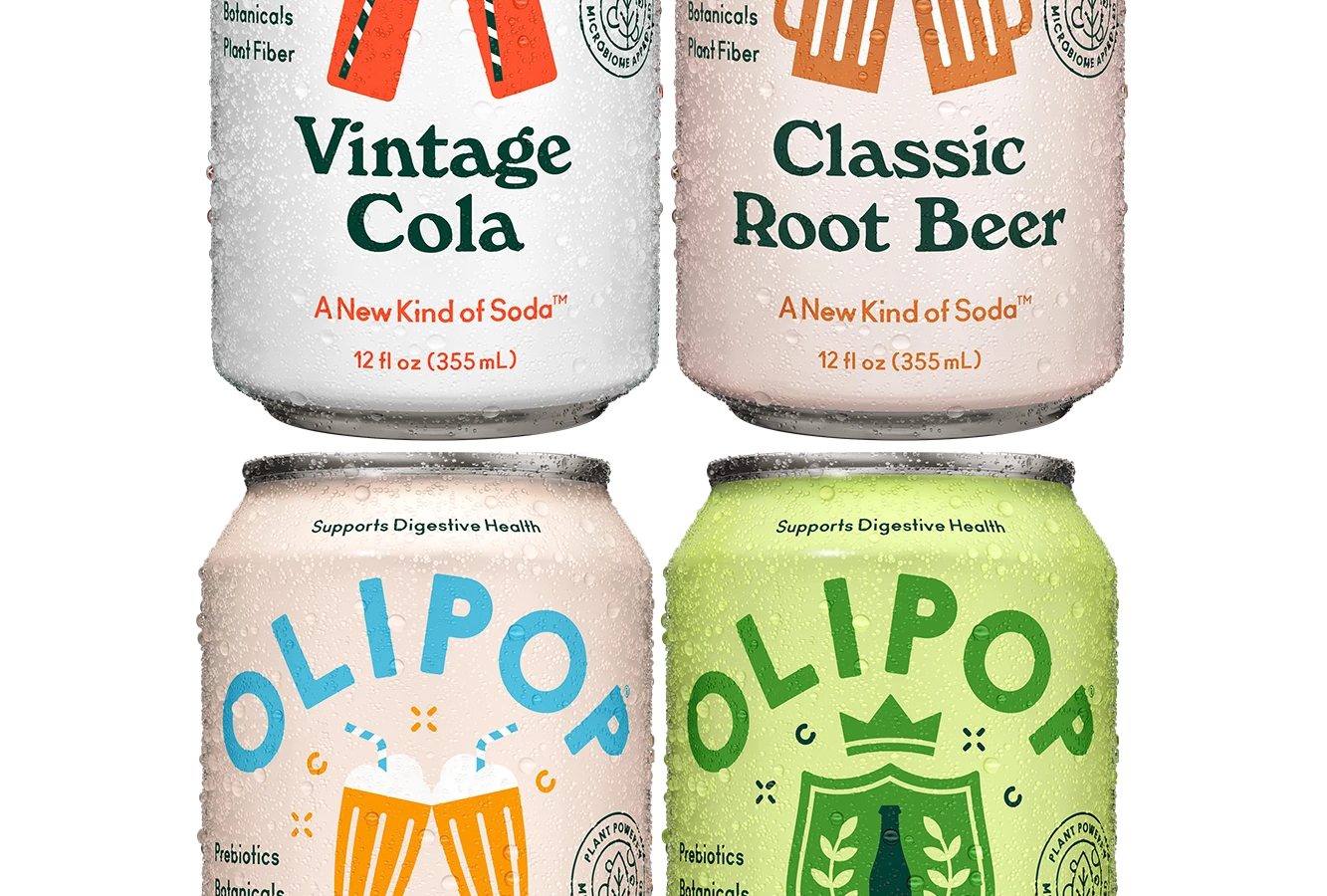
Grocery shelves now carry an entire category of soda alternatives built around fiber and gut health claims, and with that growth comes a wave of confusion. Shoppers often repeat prebiotic soda myths without realizing how fiber actually works or what a nutrition label is really telling them. This piece looks at where those misunderstandings come from and checks them against what OLIPOP actually states about its formulations.
What Is Prebiotic Soda and How Does It Differ From Regular Soda
Regular soda is built around carbonated water, sweeteners, and flavoring, with little else going on nutritionally. Prebiotic soda adds plant fiber and other ingredients meant to function differently inside the body, while still delivering the carbonation and flavor people expect from a soda. OLIPOP positions itself this way, describing its drinks as non-GMO, gluten-free, paleo, and vegan, with fiber content built into every can. That combination is the core distinction behind many prebiotic soda myths, since buyers often assume any drink labeled “prebiotic” behaves the same as a conventional one.
The Myth That All Fiber Is the Same: Understanding OLIPOP’s Plant Fiber Approach
One persistent idea is that fiber is a single, interchangeable ingredient, so any amount on a label means the same thing. In reality, fiber sources and amounts vary widely across brands and even across a single brand’s own product lines. OLIPOP’s refrigerated formula lists 9g of fiber per can, while its non-refrigerated formula lists 6g, meaning the fiber content is not uniform even within one brand’s catalog. Treating every fiber gram as equivalent, regardless of source or formulation, is one of the more common misconceptions circulating among casual shoppers.
Myth: Fiber Content Alone Signals How Much a Can Should Be Consumed
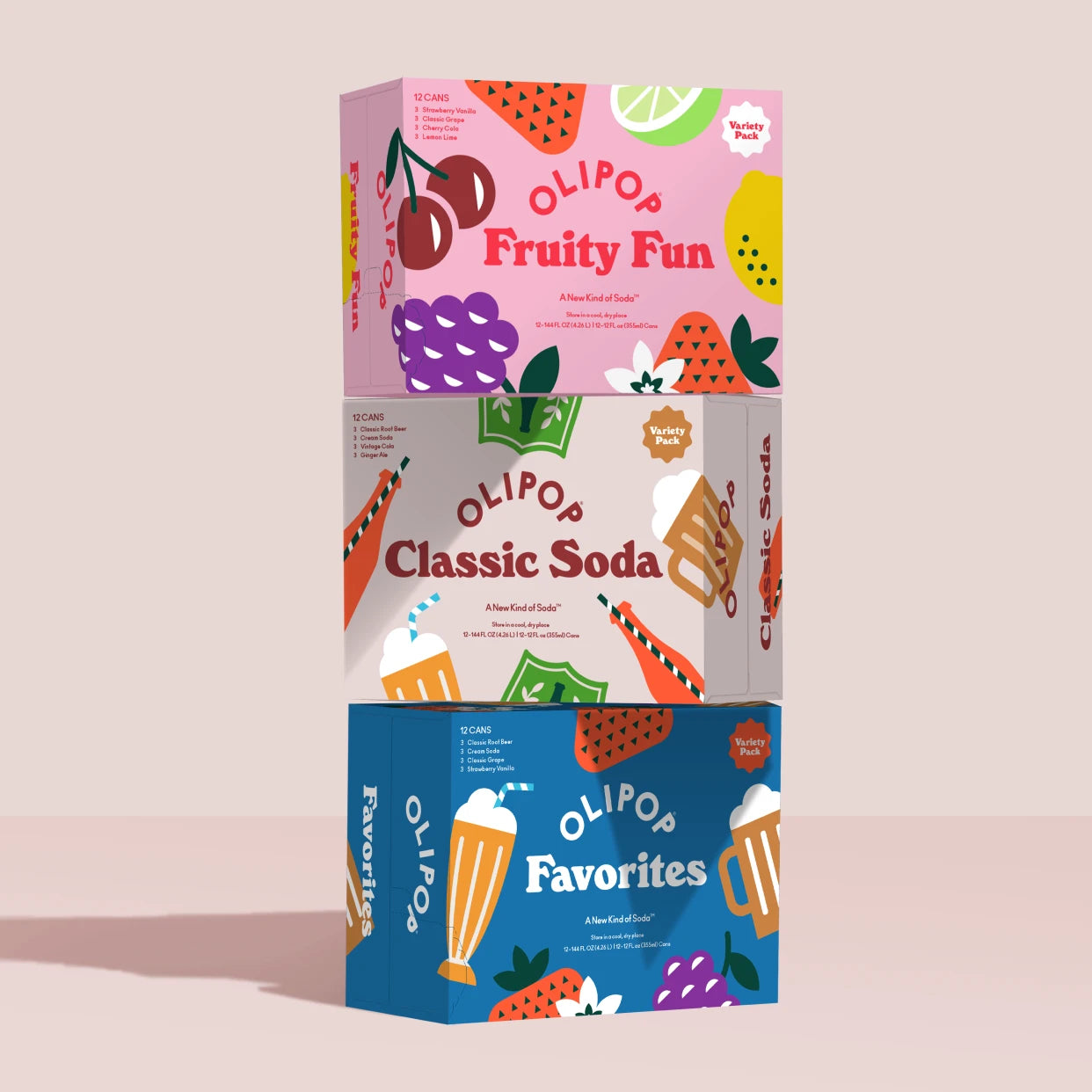
A high fiber number on a can does not mean a product is meant to replace water or function as an unlimited daily staple. Fiber content is a formulation detail, not an instruction about volume. OLIPOP lists its fiber content transparently, flavor by flavor, but transparency about an ingredient differs from a recommendation about quantity. Confusing the two is where several fiber-related misconceptions take root, and it is part of what keeps prebiotic soda myths in circulation.
- Some consumers assume prebiotic soda is interchangeable with a daily fiber supplement.
- Others believe any sugar reduction automatically means a product has zero calories.
- A common misconception holds that refrigerated and non-refrigerated formulas must contain identical ingredients.
- Many shoppers assume digestive benefits are guaranteed simply because a label says “prebiotic.”
- Some buyers think higher fiber content always signals a healthier overall formula regardless of other ingredients.
Does Low Sugar in OLIPOP Mean It’s Calorie-Free or Consequence-Free
OLIPOP states that its drinks contain 2-5g of sugar depending on the flavor, which is notably lower than a typical can of conventional soda. That figure, however, describes sugar content specifically, not total calories or a claim that the product carries no nutritional impact at all. Flavors range from classic profiles like Vintage Cola and Classic Root Beer to fruit-forward options like Orange Squeeze and Peaches & Cream, each built around its own blend of juices and flavorings. Reading a low sugar figure as proof of zero consequence is a shortcut that skips over the rest of the ingredient list.
Prebiotic Benefits vs. Marketing Claims: What the Evidence Actually Shows
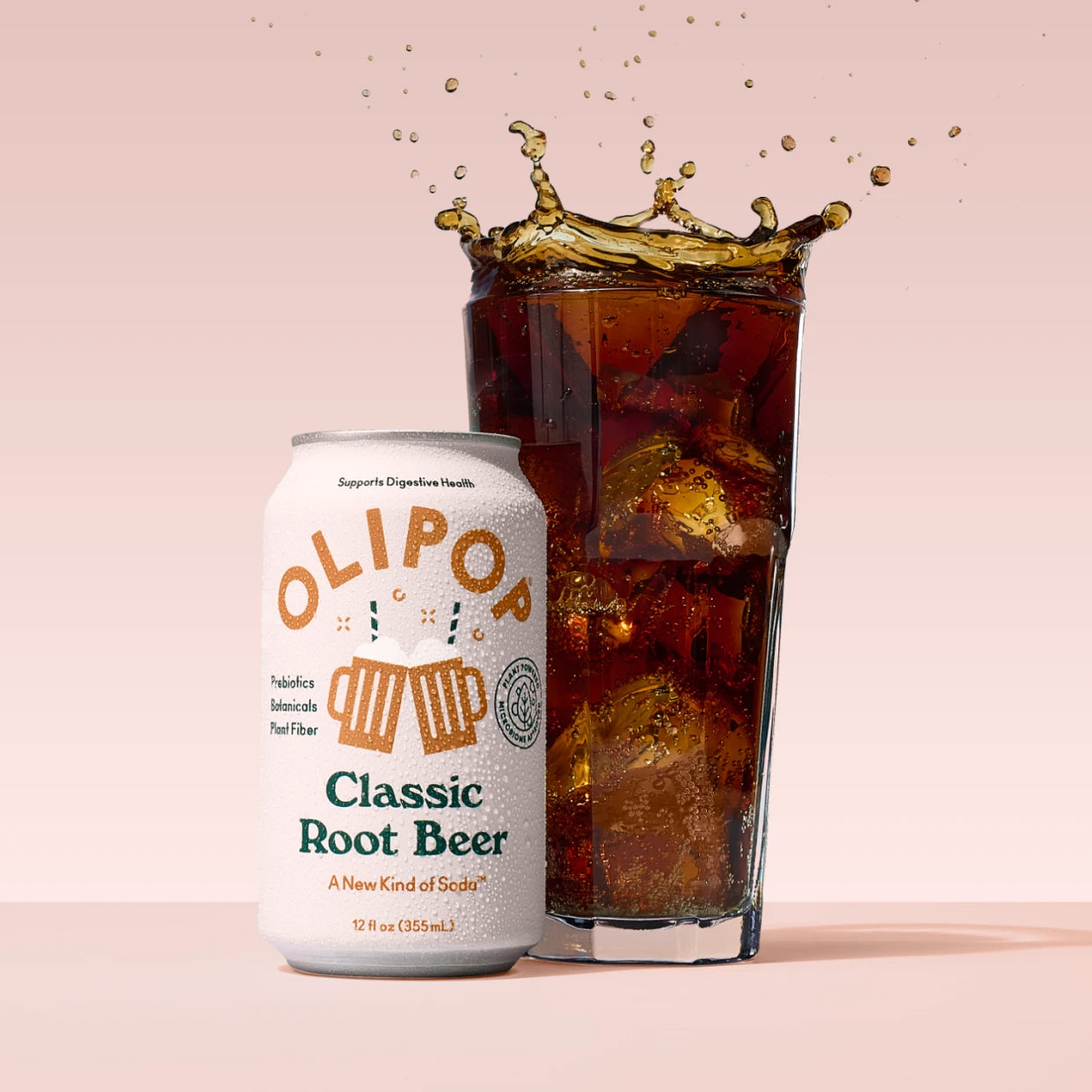
Marketing language around gut health can move faster than the underlying research, and that gap is where many prebiotic soda myths originate. The brand’s own site describes its drinks as made with plant fiber and prebiotics, without attaching specific clinical outcome claims to that description. That distinction matters because a formulation detail, like what an ingredient is, is not the same as a documented health outcome. Shoppers comparing products are better served by looking at what a brand actually states on its label and site rather than extrapolating a stronger claim from general category buzz.
Storage and Refrigeration Myths Around Non-Refrigerated vs. Refrigerated Formulas
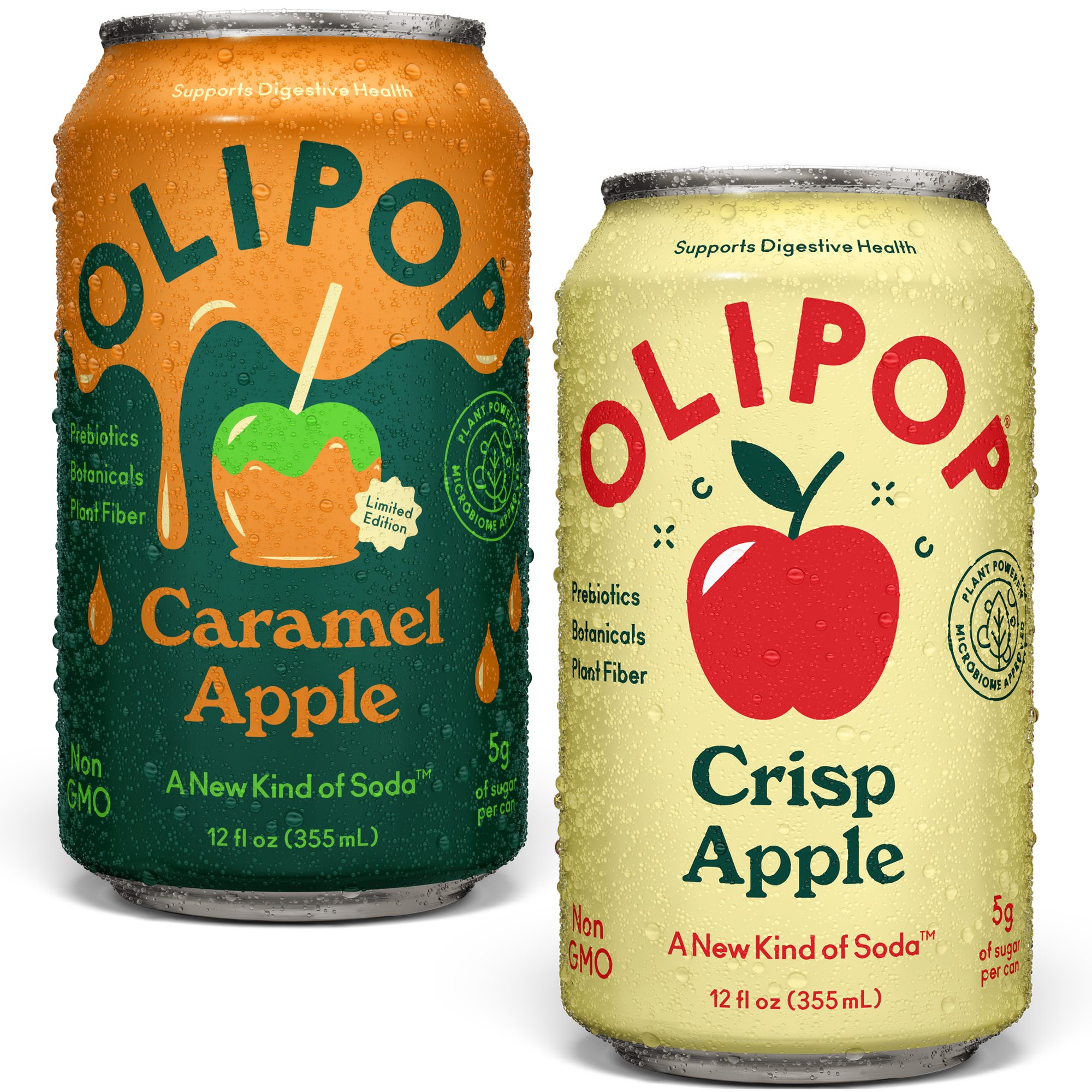
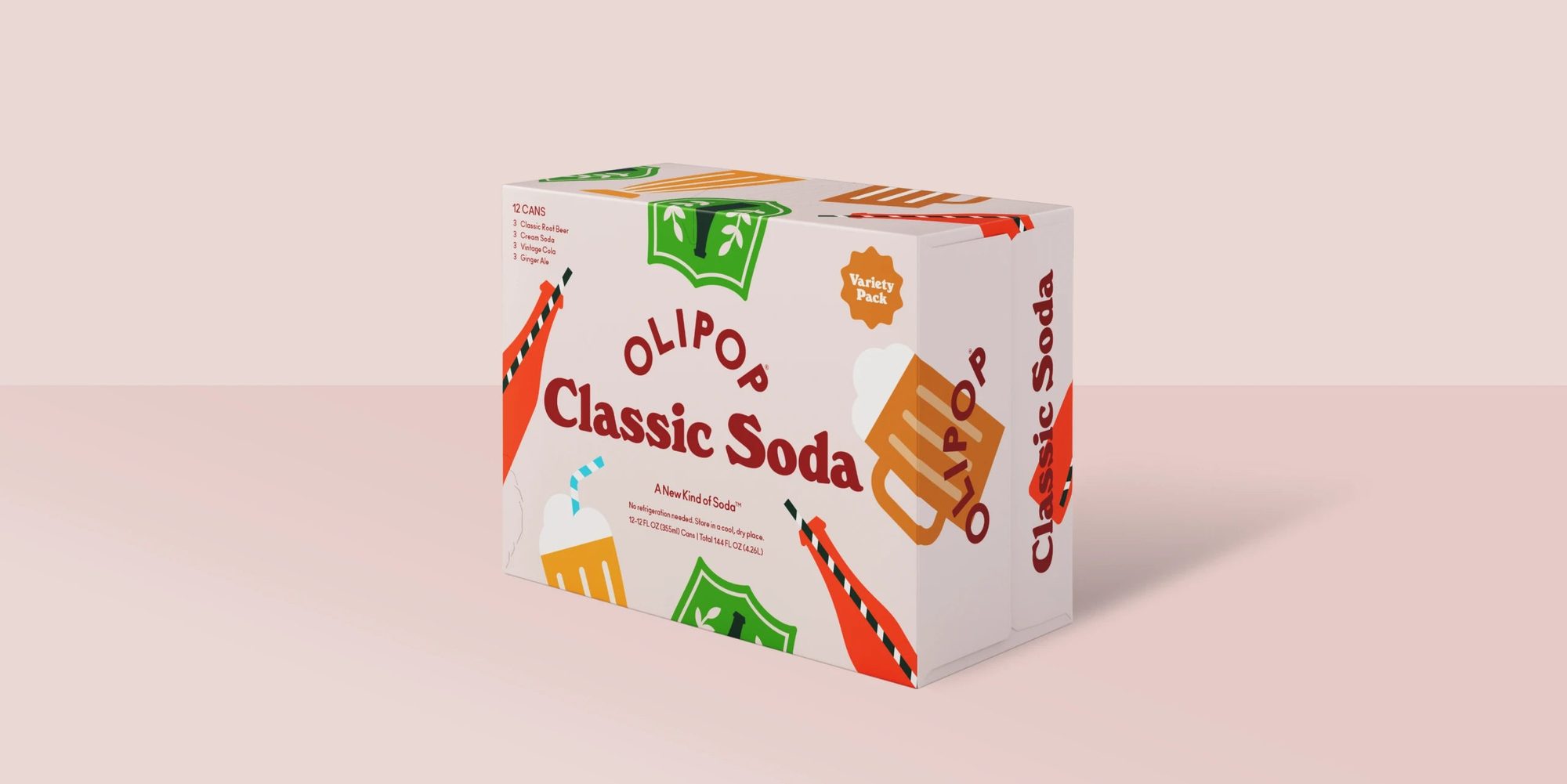
Another area of confusion involves whether refrigeration changes what a prebiotic soda actually delivers. OLIPOP‘s Classic Soda Variety Pack, which includes Vintage Cola, Cream Soda, Classic Root Beer, and Ginger Ale, is built as a non-refrigerated formula with 6g of fiber, designed to be stored somewhere cool and dry rather than in a refrigerator. Its refrigerated line, such as Caramel Apple and the Caramel Apple plus Crisp Apple bundle, carries 9g of fiber and is meant to stay chilled. Assuming one storage method is simply a marketing choice, with no actual formulation difference behind it, overlooks the fiber content difference stated directly on the product listings.
Fiber content, sugar figures, and storage instructions each tell a narrow, specific story rather than a sweeping health verdict. Reading those details as written, rather than through assumption, is the simplest way past the noise.