
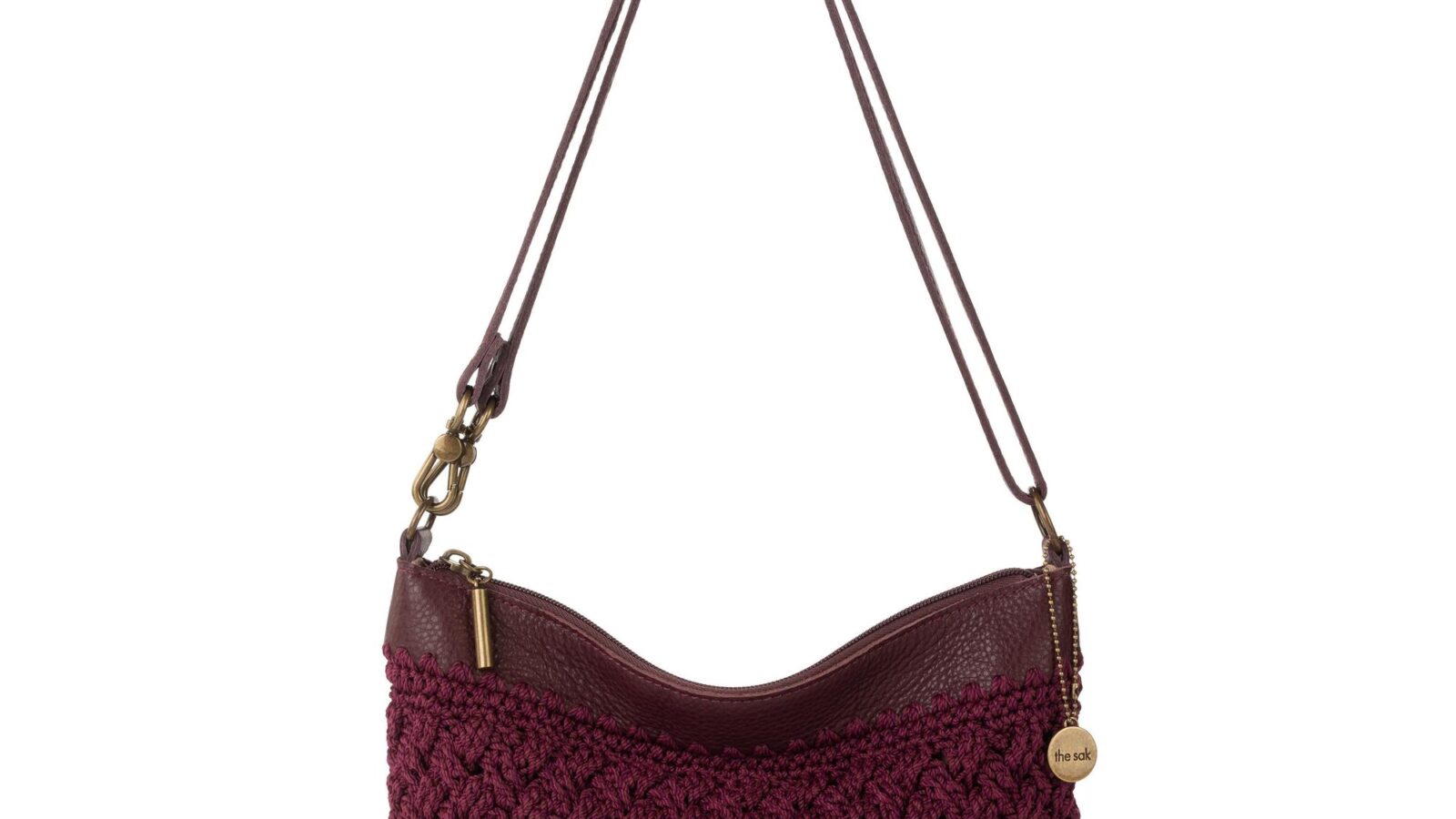
Sustainable handbags myths show up often in conversations about crochet and leather construction, and separating fact from marketing shorthand takes a closer look at materials and care. The Sak produces both hand-crochet and leather styles, which makes its lineup a useful reference point for sorting out what is actually true about durability, sourcing, and upkeep. This article works through six common misconceptions one at a time, using specific product lines rather than general category claims.
Hand-Crochet Bags Are Not Necessarily More Durable Than Leather
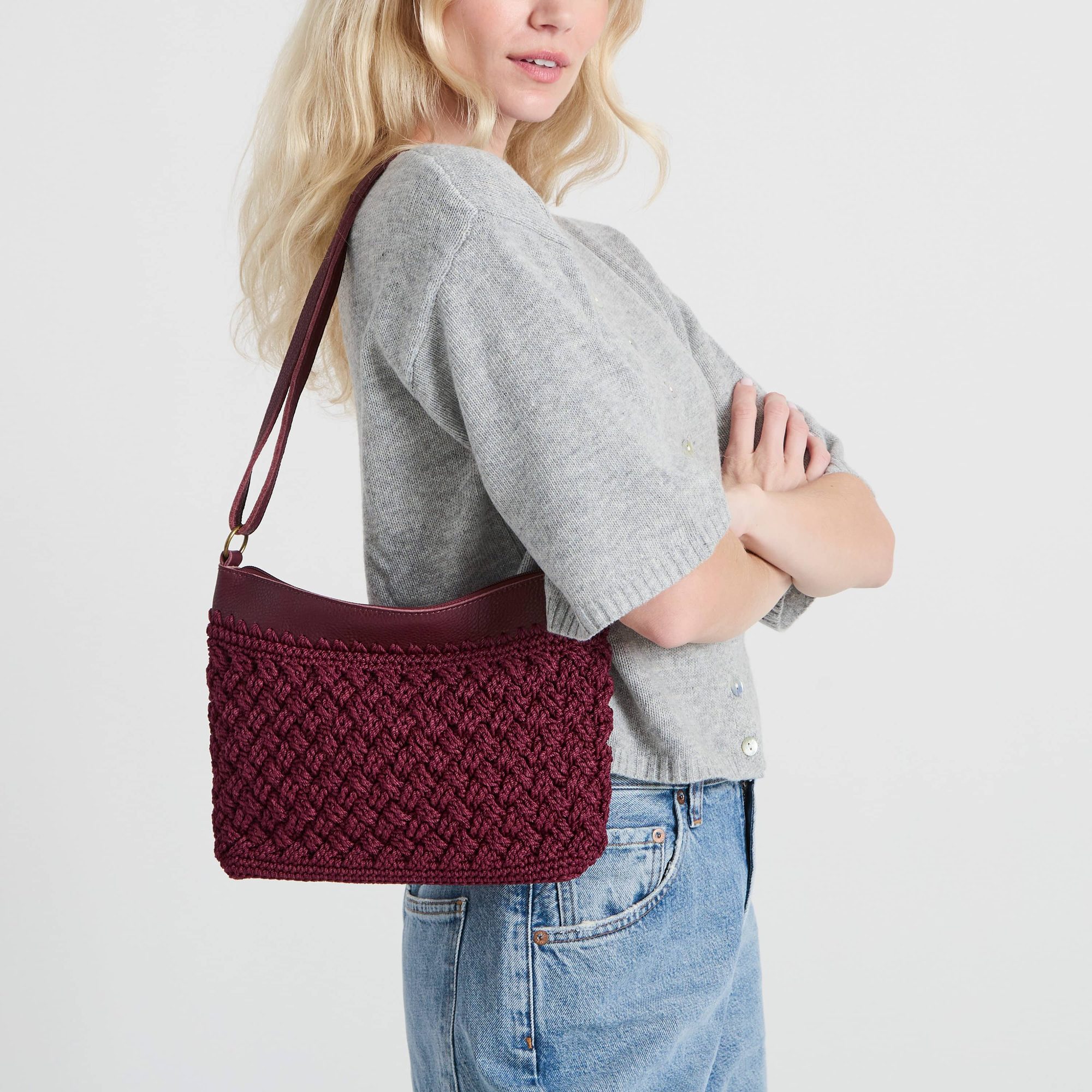
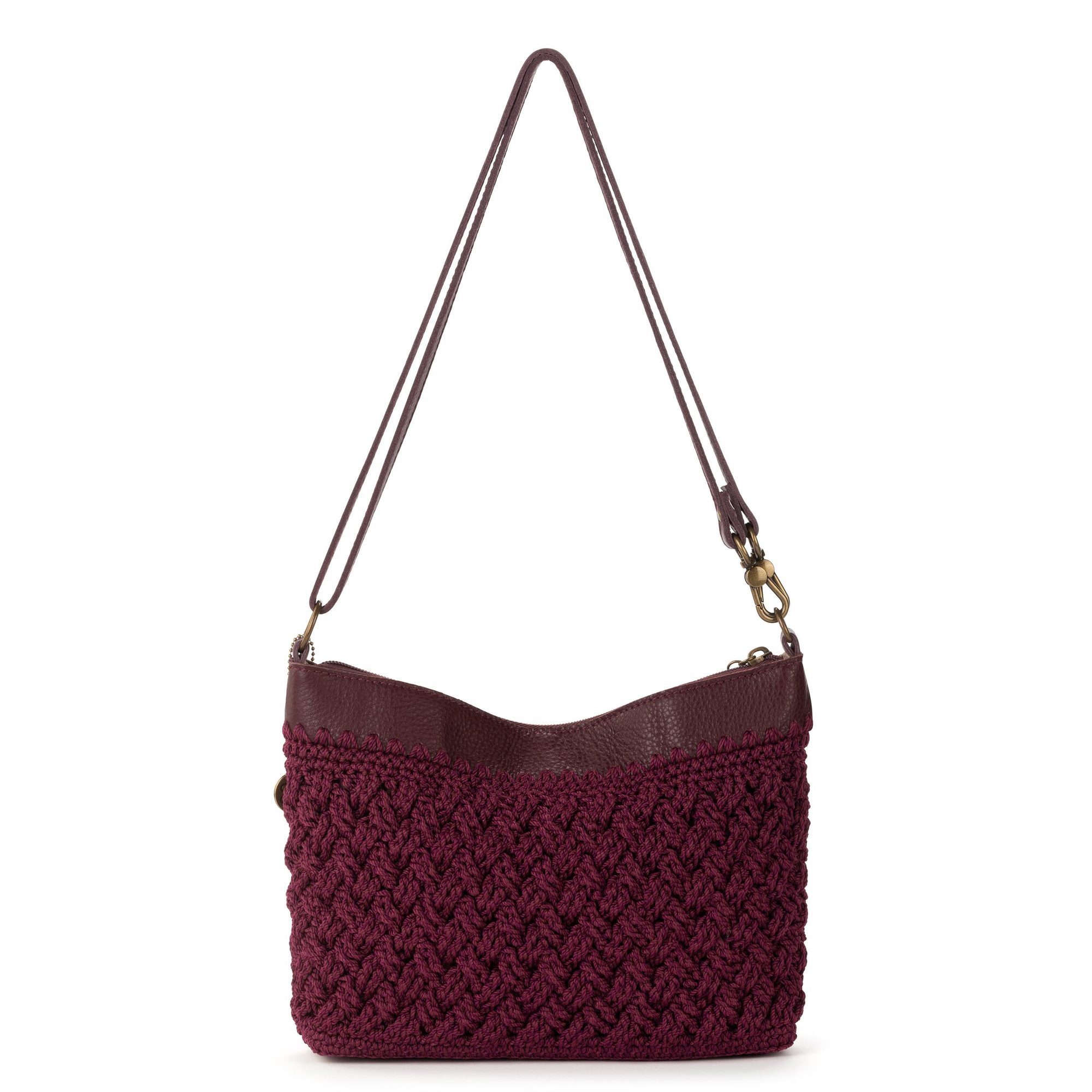
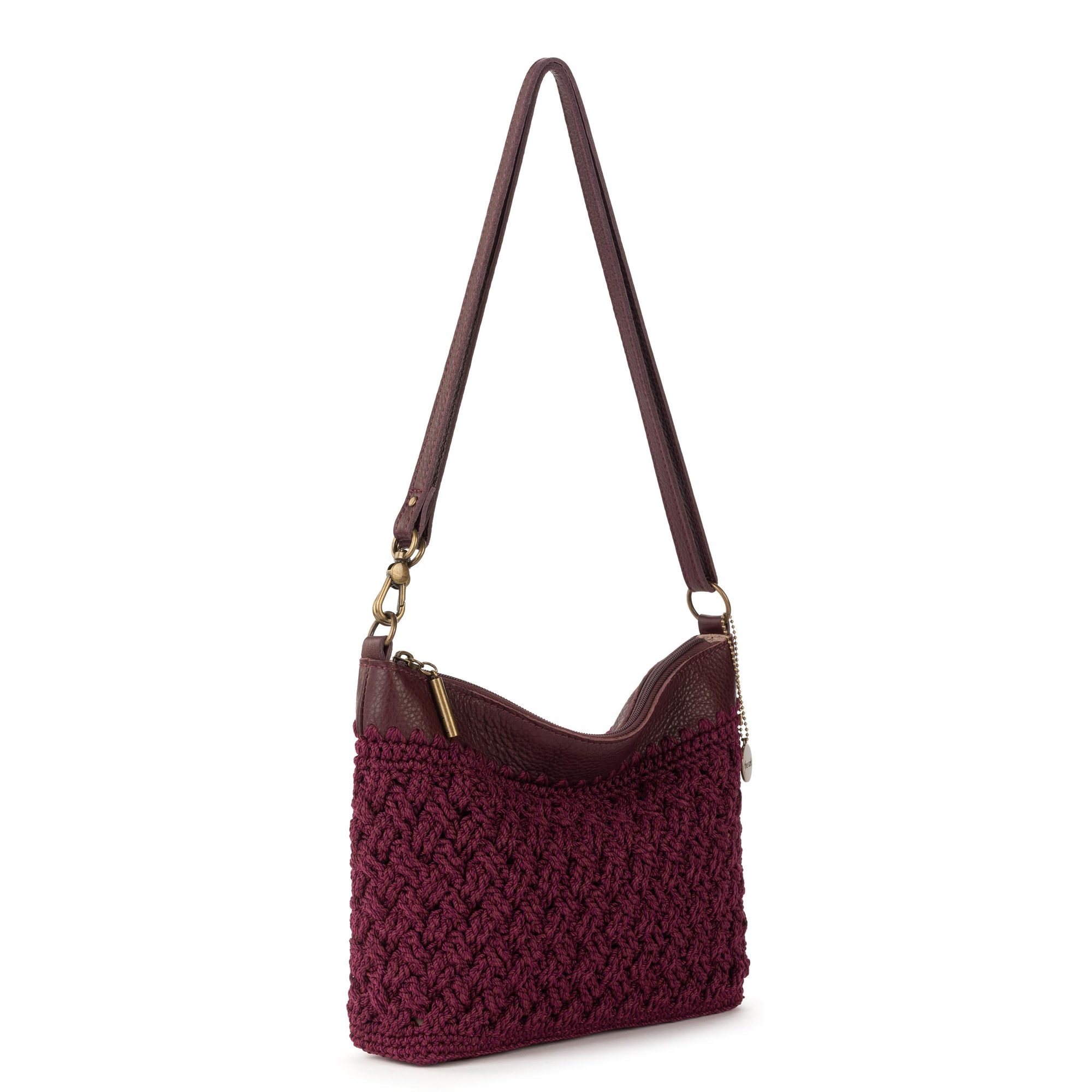
A common assumption holds that crochet construction is inherently fragile compared with leather, or alternatively, that hand-crocheted yarn is automatically tougher because it is handmade. Neither claim holds up well on its own. The Sak‘s 120 Hobo uses a signature Tightweave crochet technique, which is a specific construction method rather than a general property of all crochet goods. Durability in a woven bag depends on the tightness of the weave and the yarn used, not on whether the piece was made by hand or by machine.
Leather bags carry their own structural logic. A leather tote and a crochet hobo are built differently, so comparing them as if one category is universally stronger misses the point. The more useful question is what each specific bag was designed to carry and how its materials were finished.
The Myth That All Leather Is Unsustainable
Leather sourcing gets painted with a single brush in a lot of sustainability conversations, as though every hide comes from the same unregulated supply chain. That is one of the more persistent sustainable handbags myths in circulation. The Sak sources its leather from tanneries holding Leather Working Group gold-medal certification, a designation tied to environmental practices at the tannery level. The Los Feliz Hobo in leather is one example built on this sourcing standard.
This does not mean every leather product on the market meets the same bar, and it does not mean leather is automatically problematic either. Sourcing standards vary by supplier, so a blanket statement about leather in either direction skips over the detail that actually matters.
Ocean-Bound Plastics and REPREVE® Lining: What These Materials Actually Do
Recycled content inside a bag gets misunderstood almost as often as the exterior material does. The Lanie Market Tote is hand-crocheted from yarns made of recycled ocean-bound plastics, and several Los Feliz and 120 styles pair this exterior work with REPREVE lining inside the bag. REPREVE is a recycled fiber used for linings, and ocean-bound plastic yarn refers to material collected before it reaches open water.
These two details describe where the material came from, not a guarantee about how the bag will perform over time. A lining made from recycled fiber serves the same functional role as a conventional lining. The sustainability claim applies to sourcing, not to strength or wear resistance, which is a distinction that often gets lost among sustainable handbags myths.
Los Feliz Totes and Hobos: Different Constructions, Different Care Needs
The Los Feliz line spans multiple shapes and materials, including the Los Feliz Medium Tote, Los Feliz Large Tote, and Los Feliz Hobo, each available in leather or suede depending on the style. Assuming all of them behave the same way in daily use is one of the sustainable handbags myths worth retiring, since a woven leather tote, a smooth leather hobo, and a suede bucket hobo each respond differently to moisture, friction, and storage. The Sak lists separate construction notes for several of these styles rather than a single blanket care sheet.
The Los Feliz Bucket Hobo in leather features waxy two-tone leather with an adjustable shoulder strap and an organized interior, while the Los Feliz Large Tote in leather is handwoven leather with a slouchy shape and four pockets. An organizer insert, such as the Los Feliz Large Tote Organizer Insert in EcoTwill, is sold separately and designed to fit a specific tote rather than every bag in the collection.
LWG Certification Does Not Guarantee Longevity
LWG certification speaks to how a tannery manages its environmental footprint, not to how long a finished bag will last. That distinction gets blurred frequently, and it is worth stating plainly. A gold-medal-certified tannery can still produce leather in a range of weights and finishes, each suited to different kinds of daily use.
Certification and durability describe two separate things along the supply chain, and treating them as a single claim is where sustainable handbags myths take root. One describes sourcing practices at the tannery. The other depends on construction, hardware, and how the bag gets used day to day.
Quality Crochet Requires Proper Maintenance, It Is Not Maintenance-Free
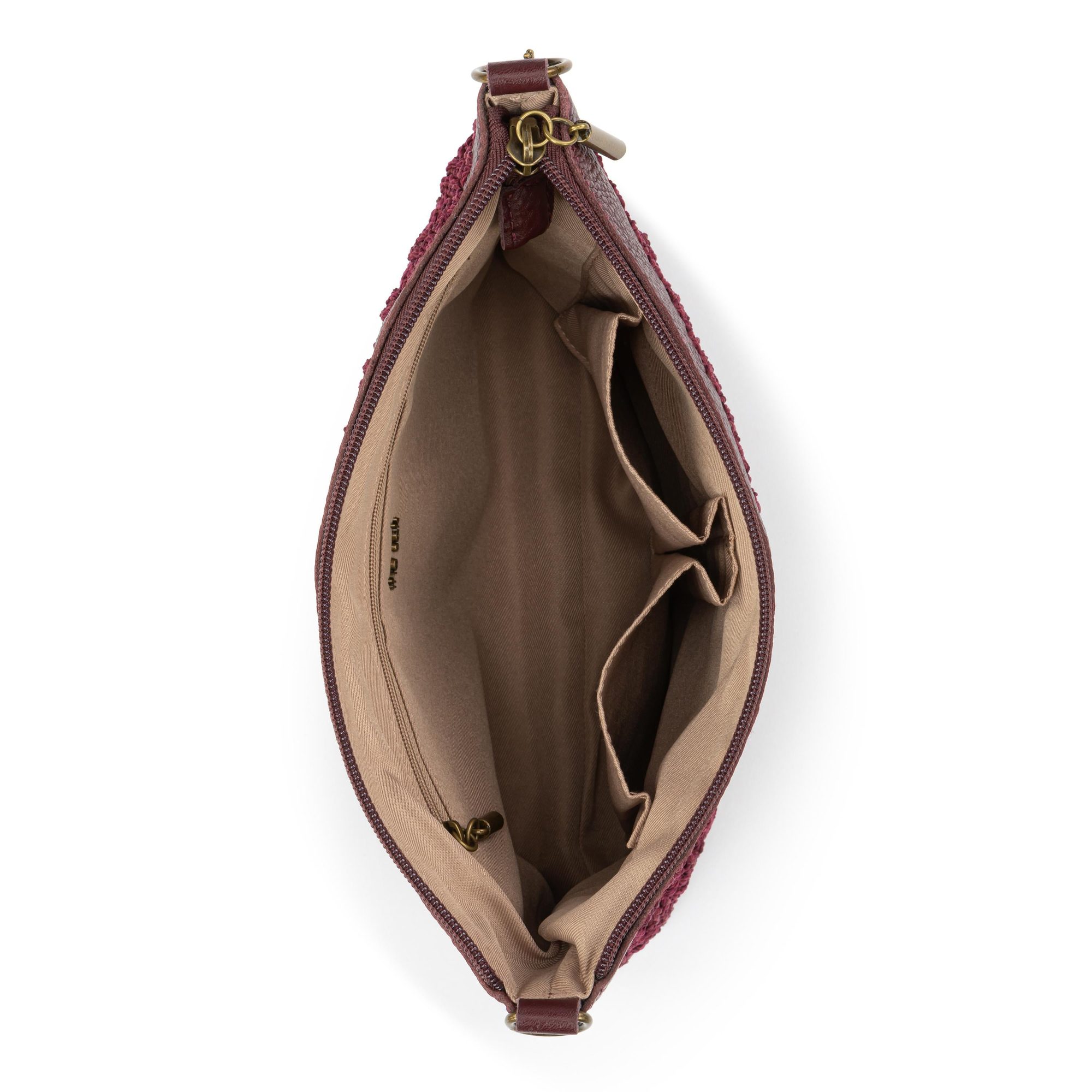
Hand-crochet bags sometimes get framed as effortless because they are not leather, as if skipping tanned material also means skipping care altogether. That is not accurate. Crochet yarn, including the ocean-bound plastic yarn used in several totes and hobos, still needs attention to avoid snagging, pulling, or staining over time.
- Hand-crochet bags are sometimes assumed to be more fragile than leather, though durability actually depends on weave tightness and yarn choice.
- Leather is often treated as universally unsustainable, even though sourcing standards such as Leather Working Group certification vary by tannery.
- Recycled linings like REPREVE are frequently mistaken for a durability upgrade rather than a sourcing detail.
- Totes, hobos, and bucket bags within the same collection can require different handling because their shapes and finishes are not identical.
- Certification at the tannery level is commonly confused with a guarantee about how long a finished bag will last.
- Crochet construction is occasionally assumed to need no maintenance, when in practice it still requires routine care to avoid snagging or staining.
The Sak lists specific care guidance for its crochet styles, distinct from the leather care instructions attached to its Los Feliz and Melrose lines. Treating any handbag material as maintenance-free, whether crochet or leather, tends to shorten its usable life rather than extend it.
Sustainability and durability turn out to be separate questions that only sound like one.