

Investing in precious metals represents a time-honored strategy for wealth preservation and portfolio diversification. APMEX Gold and silver have maintained intrinsic value across centuries, offering protection against economic uncertainty and currency fluctuations. Understanding how to incorporate these assets into your investment portfolio can provide stability and growth potential for your financial future. Professional financial advisors increasingly recommend precious metal allocations as fundamental components of balanced investment strategies.
Why Precious Metals Deserve a Place in Your Portfolio
APMEX Gold serves as a counterbalance to traditional stock and bond investments, historically moving inversely to equity markets during economic downturns. This negative correlation provides genuine portfolio protection when other assets decline sharply. Silver complements gold investments by offering similar defensive properties while maintaining greater industrial applications. Together, these precious metals create a safety net that preserves purchasing power when inflation erodes the value of fiat currency. Sophisticated investors recognize that APMEX gold investments transcend mere speculation, functioning as legitimate wealth insurance. Central banks worldwide maintain substantial precious metal reserves, demonstrating institutional confidence in these assets.
Understanding Market Dynamics of Precious Metals
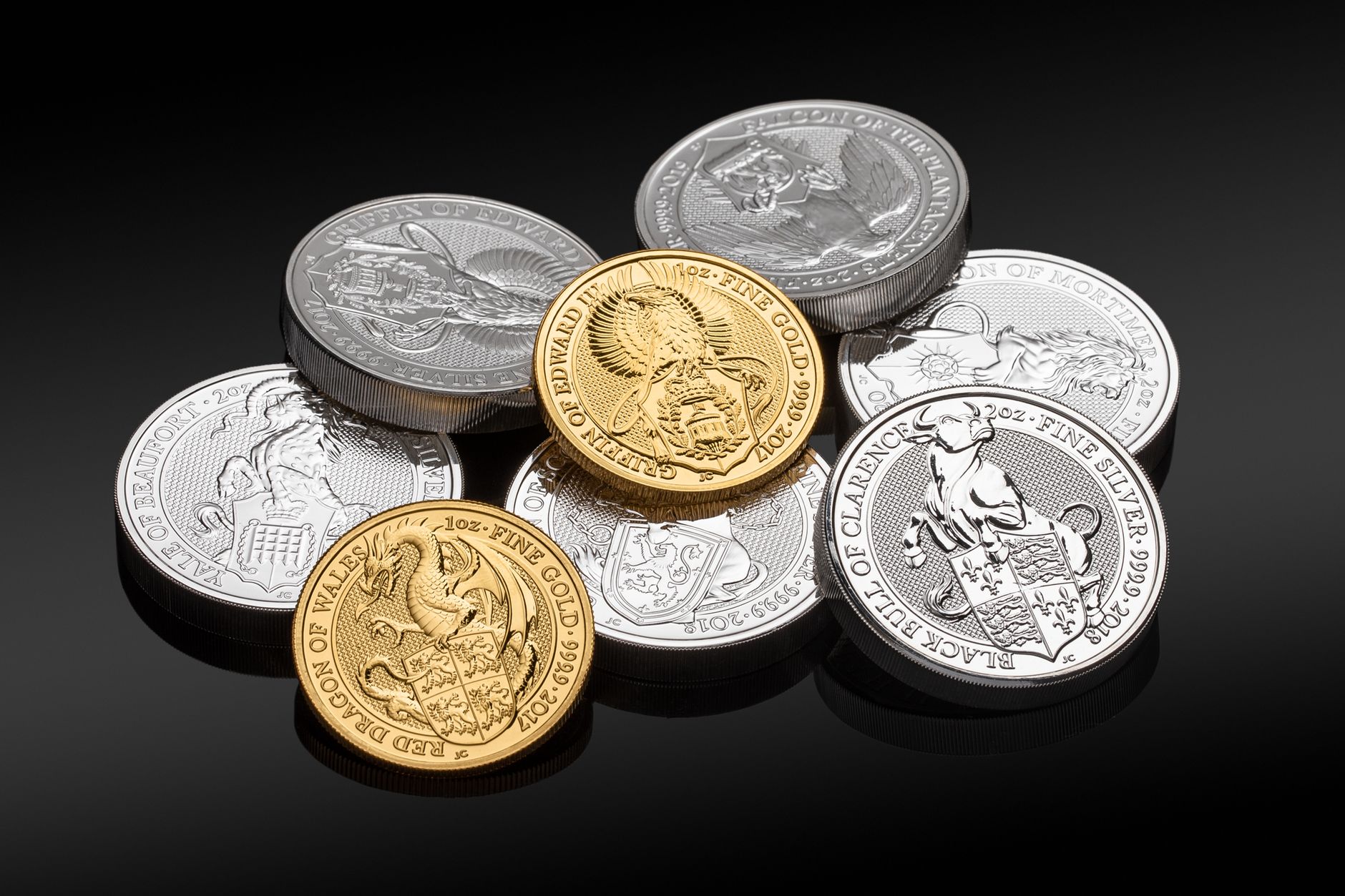
The precious metals market operates independently from stock exchanges, responding to global factors like geopolitical tensions, currency strength and central bank policies. APMEX Gold prices reflect worldwide demand from investors, jewelers and industrial users simultaneously. Silver enjoys dual demand streams, valued both as monetary metal and industrial commodity essential for electronics, solar panels and medical applications. These market dynamics create unique trading opportunities and price movements independent of traditional financial markets. Understanding these patterns helps investors time purchases strategically and capitalize on price fluctuations that benefit informed positioning. Real-time price tracking and market analysis tools enable modern investors to monitor trends and identify optimal entry points.
Physical Metal Versus Paper Alternatives
Investors face multiple approaches when incorporating precious metals into portfolios. Physical ownership of bullion coins and bars provides tangible assets with no counterparty risk, offering complete control and security. APMEX Gold exchange-traded funds (ETFs) offer liquidity and ease of trading without physical storage concerns. Futures contracts and options provide leveraged exposure for active traders. Mining stocks represent indirect precious metal exposure with additional business operation complexity. Each approach carries distinct advantages and considerations, requiring careful evaluation based on individual investment objectives and risk tolerance. Many diversified investors employ multiple strategies simultaneously to optimize their precious metal allocation. The choice between physical and paper investments depends on personal preferences regarding control, accessibility and storage capabilities.
Establishing a Strategic Purchasing Plan
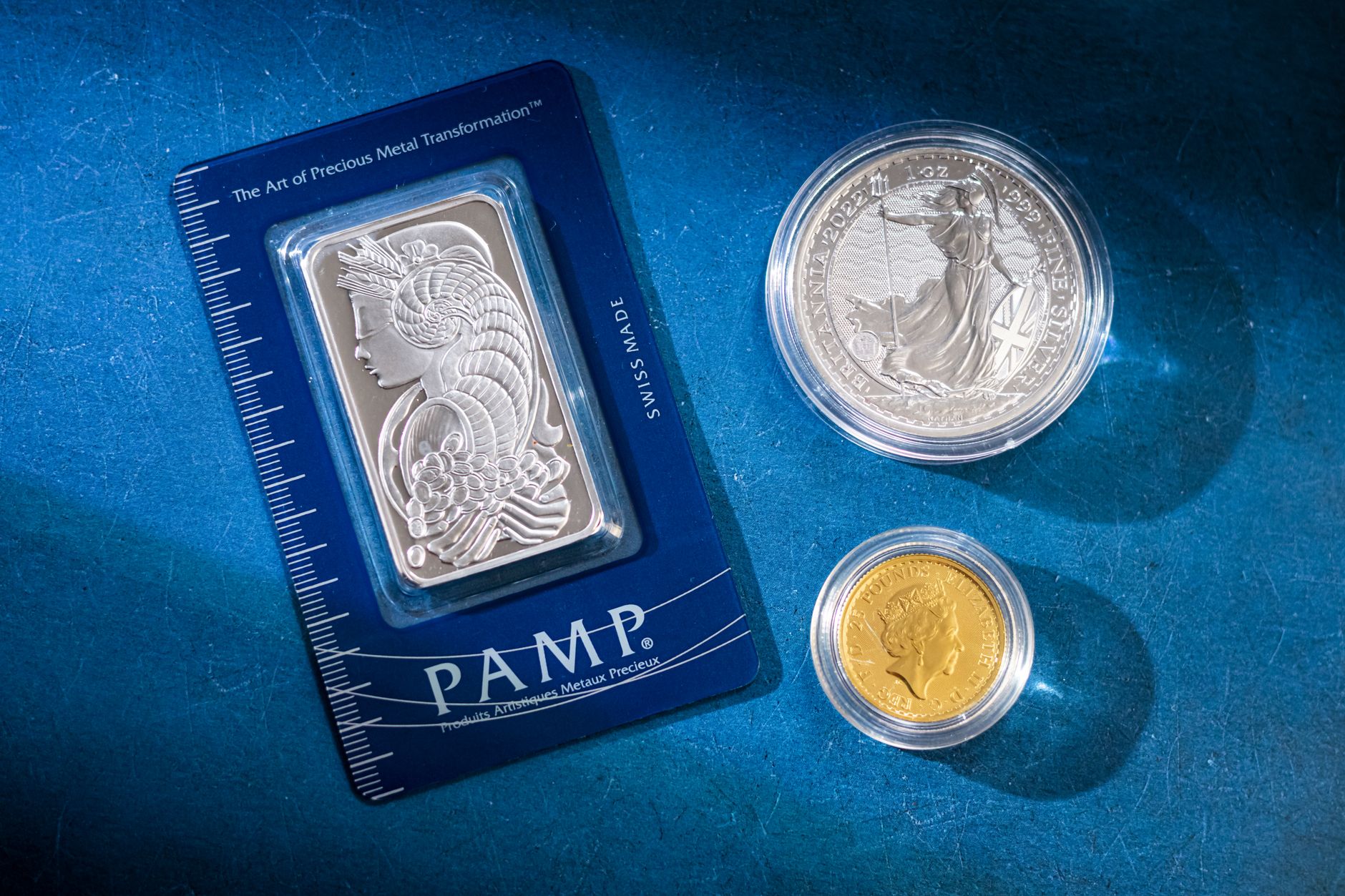
Successful precious metal investors develop disciplined purchasing approaches rather than attempting market timing. Dollar-cost averaging through regular purchases smooths entry prices and reduces emotional decision-making. Allocating a percentage of portfolio contributions toward gold and silver purchases ensures consistent accumulation regardless of market conditions. Many investors target holding five to ten percent of their portfolio value in physical metals, though conservative investors may prefer higher allocations. Determining appropriate allocation percentages requires understanding personal risk tolerance and financial goals. Starting with modest quantities allows investors to build confidence and knowledge before committing larger sums. Professional financial planning services increasingly offer precious metal allocation guidance as part of comprehensive wealth management strategies.
Storage, Security and Insurance Considerations
Physical precious metal ownership demands proper storage solutions protecting against theft and degradation. Home safes provide convenient access but limited security compared to specialized facilities. Bank safe deposit boxes offer institutional protection with limitations on access during emergencies. Third-party vaults provide maximum security with insurance coverage, though monthly fees reduce investment returns. Insurance coverage becomes essential regardless of storage location, protecting against unforeseen loss or theft. Understanding these storage options and associated costs allows investors to make informed decisions aligning with their circumstances and preferences. Professional storage facilities increasingly cater to individual investors seeking secure, insured alternatives to home storage. Insurance premiums vary based on precious metal quantities and vault security specifications.
Long-Term Wealth Building Through Precious Metals
Patient investors recognize that precious metal positions strengthen over decades as inflation gradually erodes fiat currency value. Historical charts demonstrate that gold maintains purchasing power across generations, outpacing inflation rates over extended periods. This long-term stability appeals to investors prioritizing preservation over aggressive growth. Tax-advantaged accounts increasingly permit precious metal holdings, expanding investment opportunities. Strategic wealth builders incorporate precious metals as foundational holdings that provide reliable stability throughout market cycles and economic transitions. Combining patience with disciplined accumulation creates compound wealth effects benefiting long-term financial security. Multi-generational wealth strategies frequently incorporate substantial precious metal positions for stability and security.
- Begin with modest purchases of reputable bullion coins or bars to build familiarity with precious metal markets.
- Research storage options carefully, comparing security, insurance and accessibility features before committing funds.
- Establish a systematic purchasing plan utilizing dollar-cost averaging for consistent metal accumulation.
- Monitor market conditions and news affecting precious metal prices to inform strategic purchasing decisions.
- Diversify metals holdings between gold and silver, balancing stability with industrial demand exposure.
Incorporating precious metals into comprehensive investment portfolios provides protection, diversification and inflation hedging benefits that complement traditional securities. Whether purchasing through established platforms or direct acquisition, investors gain access to wealth preservation tools valued throughout history. Understanding market dynamics and implementation options empowers sound decisions supporting long-term financial prosperity.