
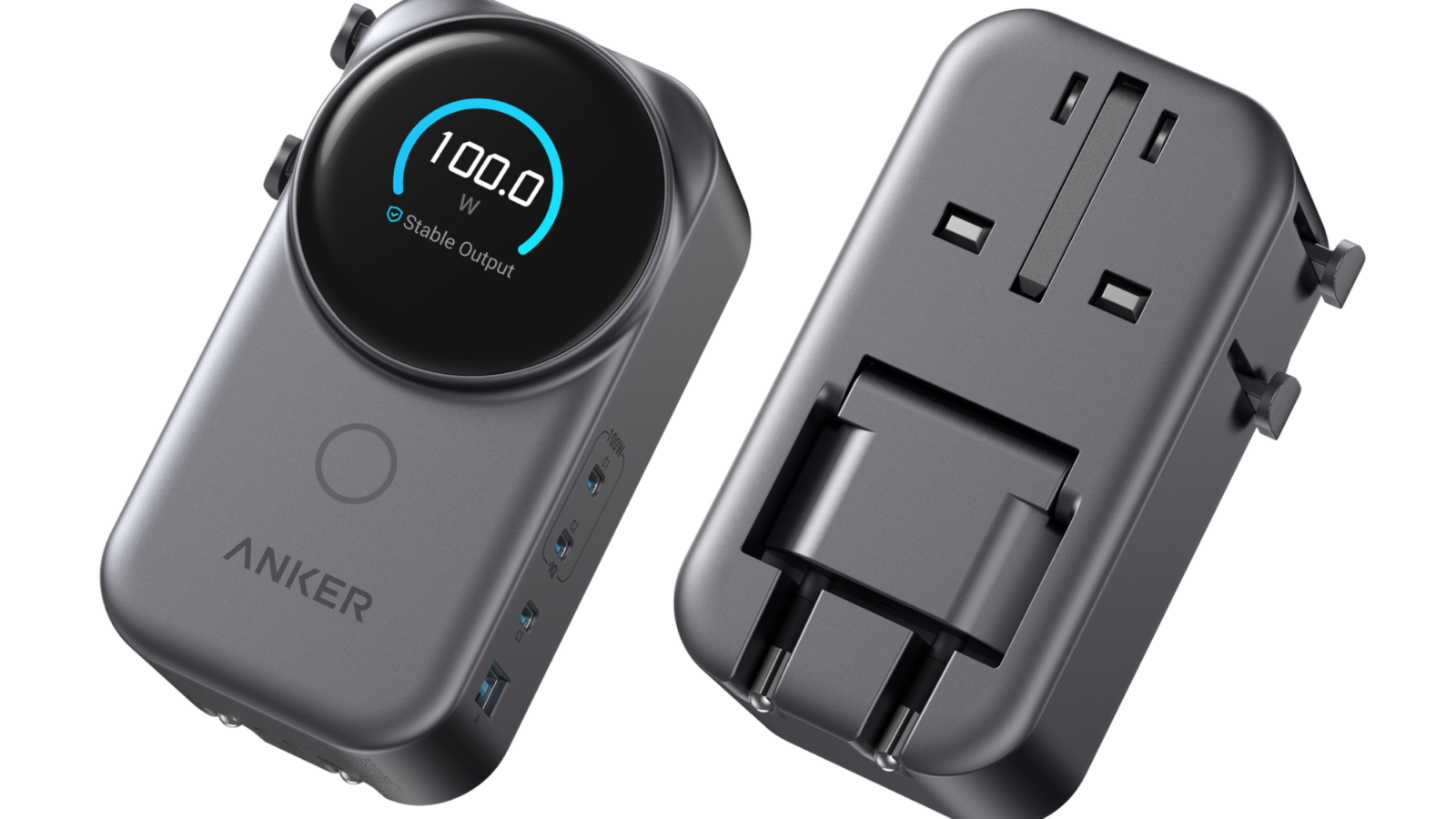
In today’s connected world, keeping your devices powered throughout the day has become a necessity rather than a luxury. Whether you’re commuting, traveling or simply spending long hours away from home, the reliability of your portable power solution can make the difference between staying connected and running out of battery at a critical moment. Anker has established itself as a leader in the portable power space, offering innovative charging solutions that combine quality engineering with affordable pricing.
The Evolution of Portable Charging Technology
Portable power banks have transformed significantly over the past decade. Early models were bulky, offered limited capacity and took hours to recharge. Modern portable chargers have evolved dramatically, incorporating advanced technology that maximizes power output while minimizing size and weight. Anker has been at the forefront of this innovation, developing power management technology that ensures safe and efficient charging for multiple device types simultaneously. Their research and development team continues to push boundaries in battery chemistry and circuitry design, resulting in products that deliver consistent performance. Battery science has advanced dramatically, allowing lithium-ion cells to store more energy while maintaining safety and durability standards.
Key Features That Set Anker Apart
When evaluating portable charging solutions, several features matter significantly. Anker’s products typically include multiple USB ports, allowing you to charge several devices at once. The company’s proprietary technology manages power distribution intelligently, ensuring that each connected device receives optimal charging current. Fast-charging capabilities have become increasingly important as devices consume power more quickly with larger screens and more powerful processors. The range includes models with USB-C Power Delivery, which can charge laptops and tablets as well as phones. The construction quality is another distinguishing factor, with durable materials and rigorous testing ensuring products withstand daily use and occasional drops. Premium build quality extends product lifespan significantly, preventing the premature failures that plague cheaper alternatives.
Power Capacity and Use Cases
Different situations call for different power solutions. Someone making a short commute might need only a small power bank that fits in a pocket, while travelers embarking on week-long trips require higher-capacity options. Anker offers a diverse product lineup addressing these varying needs. Compact models deliver quick emergency top-ups, mid-size options provide extended all-day power for moderate users and premium high-capacity units serve power-hungry professionals and frequent travelers. The weight-to-capacity ratio has improved considerably with newer technologies, allowing substantial power storage in surprisingly compact packages. Understanding your typical daily power consumption helps determine the right capacity for your lifestyle. For professionals who work remotely or travel frequently, a high-capacity solution prevents the anxiety of finding power outlets in unfamiliar locations. Actual battery capacity ratings should be carefully examined, as manufacturer claims sometimes exceed real-world performance.
Cable Management and Connectivity Options
Modern portable chargers come in different configurations regarding included cables and ports. Some models feature built-in cables that eliminate the need to carry additional wires, while others provide multiple port options and rely on your existing cables. Anker’s selection includes both approaches, allowing you to choose based on your preference for simplicity or flexibility. USB-C adoption has accelerated across devices, making USB-C equipped power banks increasingly valuable. The ability to charge the power bank itself using the same cable you use for your phone simplifies traveling with fewer adapters. Proprietary solutions from various manufacturers have given way to standardized connectors, making cross-device compatibility more straightforward than ever before. Built-in cable designs minimize clutter but may be more difficult to repair if damaged, while detachable approaches offer greater flexibility and repairability.
Safety and Reliability Considerations

Portable battery products must meet strict safety standards to protect your devices and your safety. Overcharging protection, short-circuit safeguards and temperature regulation are essential features in any quality power bank. Industry certifications and testing validate that products perform safely under various conditions. When selecting a charger, verify that the manufacturer conducts thorough quality assurance and testing. Anker products consistently pass independent testing and carry relevant safety certifications, providing reassurance that your investment is protected. Real-world user feedback confirms that products from this manufacturer maintain performance over years of consistent daily use without degrading significantly. Lithium battery technology carries inherent risks if not properly managed, making manufacturer quality control absolutely essential.
Real-World Performance and Longevity
Portable chargers undergo continuous use that tests their durability and reliability. Products from reliable manufacturers maintain capacity and function through hundreds of charge cycles. Actual performance metrics, including how quickly batteries charge your devices and how long they maintain effectiveness, matter more than marketing claims. Real users report that quality portable chargers remain functional for three to five years of regular use, while budget alternatives often fail within months. Proper usage and storage practices extend device lifespan considerably. Avoiding extreme temperatures and complete discharge cycles helps preserve battery health. Investing in a quality product from an established manufacturer ensures reliable performance when you need it most.
Making Your Choice
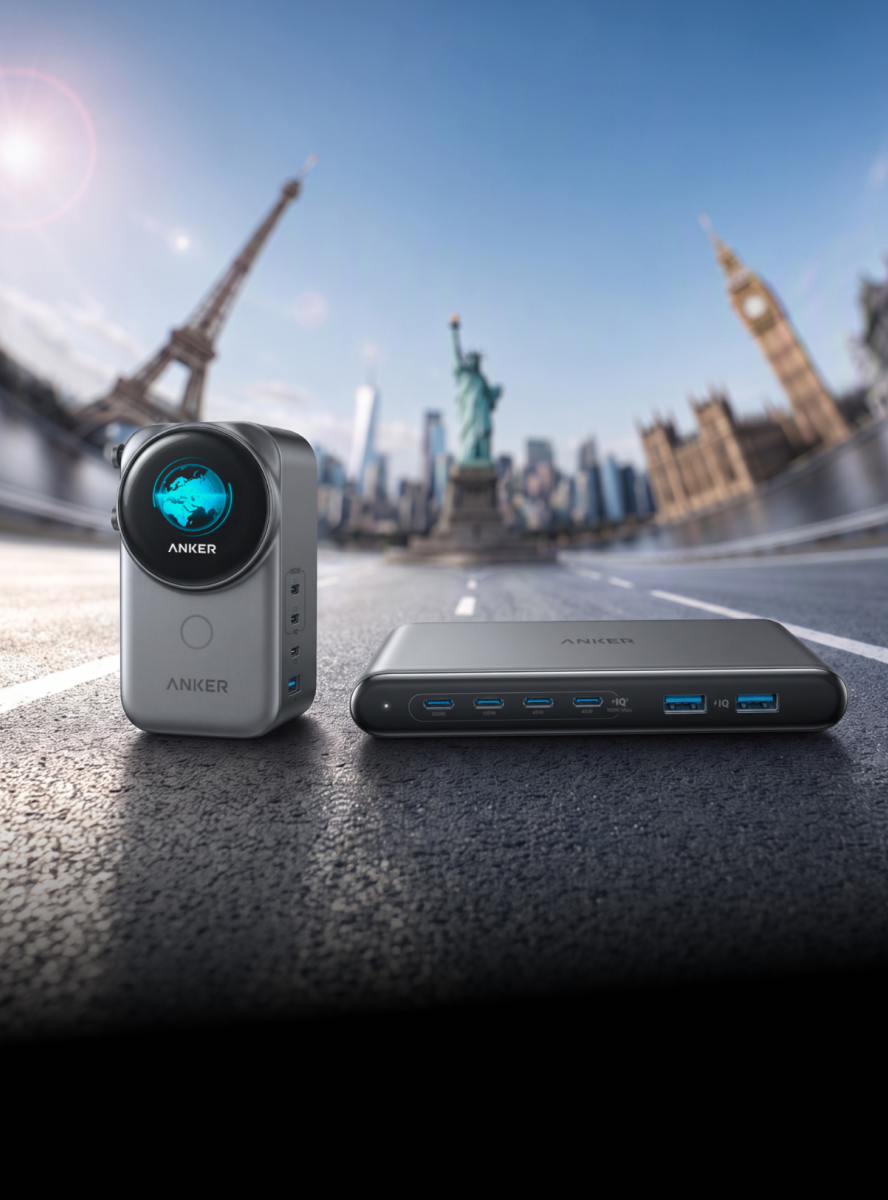
Portable charging solutions have become standard accessories for anyone who relies on electronic devices. Consider these factors when evaluating options
- Capacity requirements based on your typical daily usage patterns and device battery sizes
- Physical size and weight relative to how much power you need to carry
- Port configuration matching the devices you use most frequently
- Cable options and whether built-in cables align with your workflow
- Charging speed capabilities and whether fast-charging matters for your situation
Choosing a reliable power solution ensures you remain productive and connected regardless of where you are or how long you’re away from a traditional power outlet. Quality matters in portable charging, as a subpar power bank risks damaging your devices or failing when you need it most. Investing in a well-engineered solution from a trusted manufacturer provides peace of mind and lasting value that justifies the investment through years of reliable service.